



The 5th Animal Precision Nutrition International Forum Taiwan : Shaping a Smarter Future for Animal Health
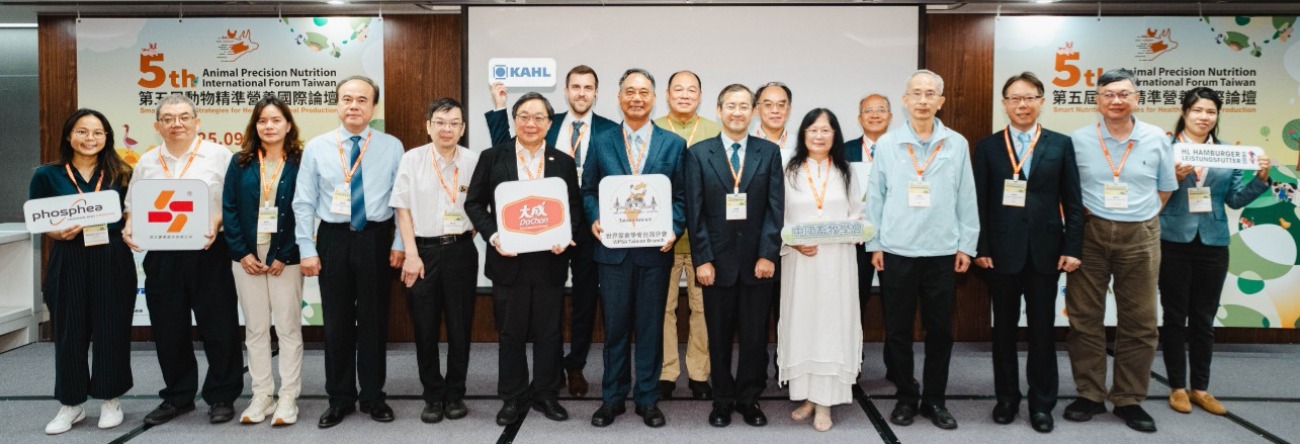
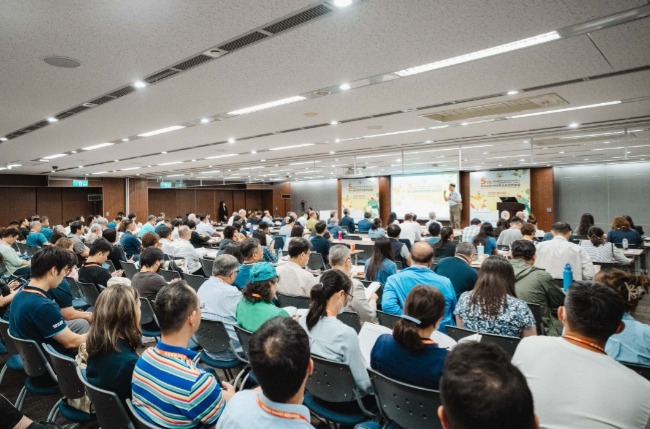
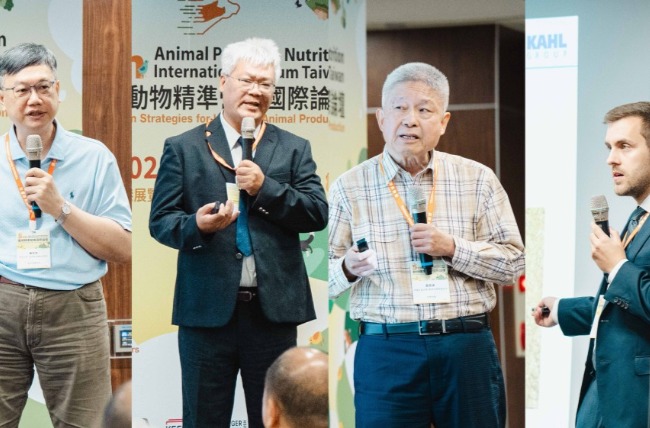
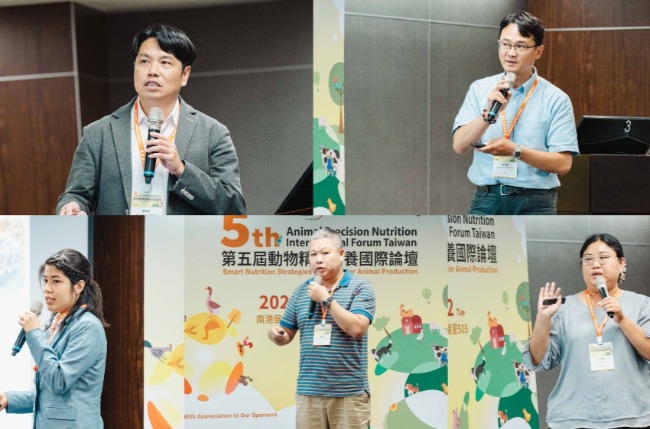
The 5th Animal Precision Nutrition International Forum was held on September 2, 2025, at TaiNEX 1 in Taipei, co-organized by the Chinese Society of Animal Science and the World’s Poultry Science Association Taiwan Branch. The forum attracted 316 participants, including representatives from feed companies, agribusinesses, farmers, academics, and government officials.
Delegates came from six countries—Philippines, Vietnam, Spain, Germany, the United Kingdom, and China—highlighting the event’s international scope and cross-sector collaboration. The forum was supported by the honorable sponsorship of King Ground’s Biotech, KSE, Amandus Kahl, HL Hamburger Leistungsfutter, Greatwall Enterprise, More Standing, Jaritec Industrial, Phosphea, and CP Foods.
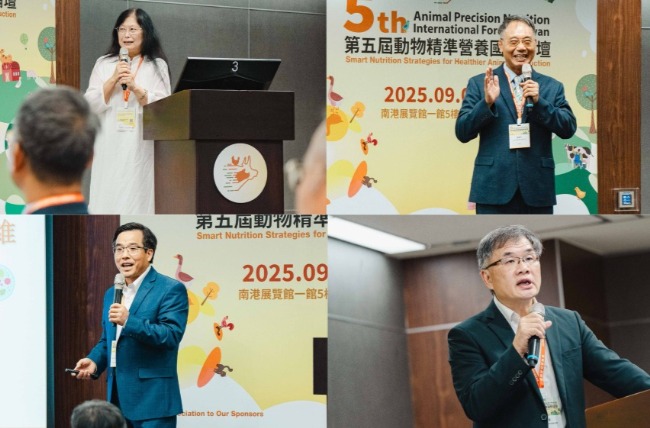
“In the face of climate change and food security challenges, the livestock industry must embrace smart feeding and precision nutrition strategies that balance efficiency with animal health. Innovation and research, when linked with industry practice, will play a decisive role in shaping sustainable livestock development,” said Director-General Li Yi-chien of the Ministry of Agriculture, who officially opened the forum.
Keynote Presentations: Moving Toward an Antibiotic-Free Era and New Strategies for Reducing Resistance
The forum spotlighted new approaches to reducing antibiotic use in livestock production. Professor Glenn Zhang of Oklahoma State University emphasized that the industry is entering an antibiotic-free era as resistance becomes a global challenge. He introduced a dual strategy: boosting innate immunity through small-molecule compounds that stimulate host defense peptides, and supplementing targeted probiotics such as Bifidobacterium to balance gut health and lower risks of necrotic enteritis and coccidiosis. His findings showed that natural immune enhancers and probiotics can work together to provide sustainable alternatives to antibiotics.
Dr. Chwei-Jang Chiou, former Director-General of Animal and Plant Health Inspection Agency, reinforced this message by highlighting the role of feed additives in improving gut health and feed conversion efficiency. He stressed that precision nutrition should not only enhance productivity but also safeguard both animal and human health, making it a key foundation for sustainable livestock development.
Functional Nutrition and Animal Health
The forum’s first theme highlighted the potential of natural functional nutrition in livestock. Professor Chang-Chi Hsieh of Tunghai University explained how animal by-products, when hydrolyzed, can produce peptides with anti-inflammatory, antioxidant, and immune-boosting effects, reducing disease risks while advancing sustainability.
Building on this focus on natural solutions, Professor Jyhmirn Lai of National Chiayi University introduced herbal extracts and essential oils such as thyme, cinnamon, and peppermint for coccidiosis control. His trials showed improved survival rates, feed efficiency, and immune performance in broilers and weaned pigs, underscoring their viability as antibiotic alternatives.
Extending the discussion further, Professor Liang Chou Hsia of National Pingtung University of Science and Technology emphasized that plant extracts like ginger, garlic, thyme, and cinnamon not only support health but also enhance nutrient absorption, reproduction, and product quality, while reducing methane and ammonia emissions. Together, these insights confirm the strong potential of functional ingredients as precision nutrition feed additives that benefit animal health, farm productivity, and environmental sustainability.
Innovations in Precision Feed and Processing
The forum’s second theme focused on how equipment innovations and process design can improve livestock feeding efficiency and precision. Arne Heuer, Sales Manager at Amandus Kahl, explained how German extrusion technology, using hydrothermal processing, increases undegraded dietary protein (UDP) so nutrients are absorbed more effectively in the small intestine. This leads to higher milk yields and better dairy cow performance, while also improving feed quality, reducing ammonia emissions, and minimizing soybean anti-nutritional factors—creating a more sustainable and efficient feeding model.
Complementing this, KSE presented its precision feeding system, which uses automation, algorithms, and smart equipment to handle raw material variability, labor shortages, and the inefficiencies of manual operations. The system reduces waste, improves accuracy, and helps producers transition toward digitalized, precision livestock farming, supporting both productivity and sustainability.
Nutrition and Antimicrobial Resistance Management in Livestock/Companion Animals
The forum’s third theme explored nutrition and antimicrobial resistance. Professor Hung-Chi Kuo of National Chiayi University highlighted the threat of bacterial resistance to livestock and public health, citing the EU’s success in cutting antibiotic use. He stressed a “One Health” approach—farm biosecurity, sanitation, and the use of herbal extracts and essential oils in feed—as effective ways to reduce dependence on antibiotics. Research also showed that fermented coffee grounds, when combined with antibiotics, can enhance antibacterial effects, pointing to the potential of natural additives in future reduction strategies.
Building on this focus on animal health, Professor Kun-Wei Chan used cases of canine and feline gastrointestinal diseases to show how gut structure, microbiota, and nutrient absorption differ from livestock. He noted that targeted diets—using quality proteins, low-glycemic carbohydrates, and specific fats—are vital for managing food allergies, pancreatitis, and protein-losing enteropathy. These insights underscored clinical nutrition’s growing importance in both companion animal care and broader animal health management.
Precision Nutrition Strategies for Enhanced Production Performance
The forum’s final theme focused on dairy nutrition and feed safety. Dr. Yung-Ping Chi of HL showed how adjusting protein ratios and maintaining rumen pH can boost milk yield and quality, highlighting milk urea nitrogen as a key marker for balancing diets.
Chih Sheng Chen of Greatwall Enterprise demonstrated how data-driven tools—tracking milk yield, composition, and health indicators with AI analytics—optimize reproduction, reduce culling, and improve profitability, showcasing the rise of smart dairy management.
Closing the session, Assistant Professor Ko-Hua Tso of Tunghai University addressed the growing risk of mycotoxins, intensified by climate change. He urged multi-layer protection, from raw material testing to binders and enzyme solutions, to safeguard animal health and ensure food safety.
Advancing to Precision Nutrition 5.0
The forum, themed “Smart Nutrition Strategies for Healthier Animal Production,” highlighted achievements across functional nutrition, process innovation, clinical applications, and feed safety. It gathered leaders from government, academia, and industry, reaffirming that precision nutrition is not only about efficiency but also central to livestock transformation and sustainable growth.
Looking forward, precision nutrition is set to enter the “5.0 era.” Priorities will include genetic improvement and selective breeding, innovations in raw materials and processing, and advances in gut microbiota research to improve feed efficiency. Preventive medicine—through disease control, alternative therapeutics, and immune-enhancing strategies—will further reduce antimicrobial resistance. At the same time, AI and data-driven management will become key enablers, using smart sensing and predictive analytics to strengthen resilience and competitiveness across animal agriculture.
Other News
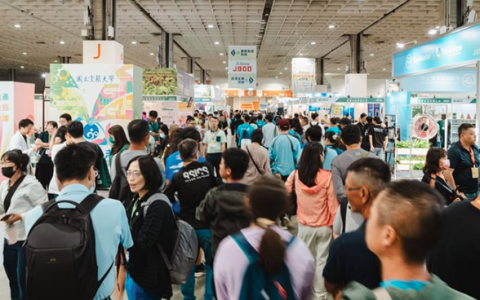
Held on September 8–10, 2026, AgriLivestock & Feed Taiwan will connect Asia’s livestock sector through smart livestock farming and feed innovation. The event in Taipei aims to promote networking between solution providers, farmers, and feed industry professionals.
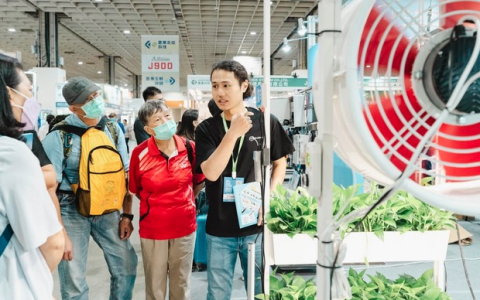
AgriTech Taiwan, part of Taiwan Smart Agriweek, one of Asia's dedicated events for smart farming, returns to TaiNEX 1, Taipei, from 8–10 September 2026.

Asia’s animal feed industry is undergoing rapid transformation. Companies we spoke to at Taiwan Smart Agriweek 2025 confirm a powerful wave of innovation, ranging from technology to microbial additives, digitalisation to sustainability. The region is setting the direction for the global market with both increasing feed demand and rising technology investments.
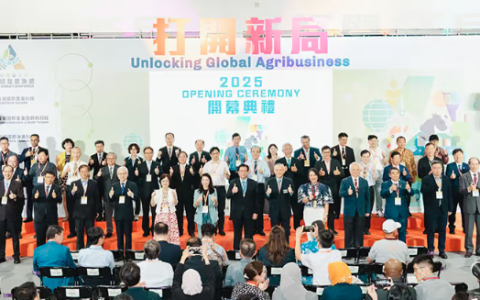
Taiwan Smart Agriweek 2025 concluded on 5 September, attracting over 400 exhibitors and tens of thousands of visitors and featuring more than 20 forums covering agriculture, livestock, aquaculture, cold-chain, and sustainable agriculture.
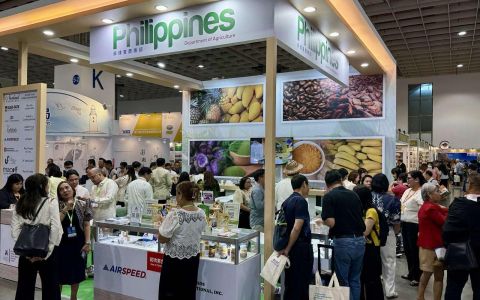
PHILIPPINE government bureaus joined the Taiwan Smart-Agriweek 2025, which runs till Sept. 10 in Taipei, to strengthen agricultural ties with its neighbor country and expand the market reach of local products, the Department of Agriculture (DA) reported on Monday.
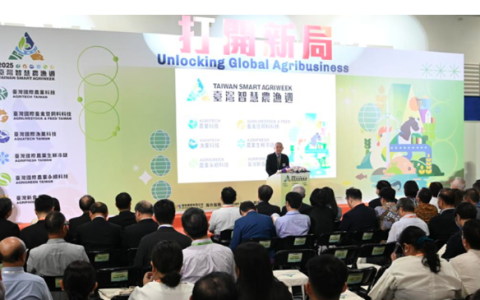
The 11th edition of the show, running from September 3–5, 2025, features more than 400 exhibitors from 20 countries. It is presented as Asia's leading smart solution expo for the agriculture, aquaculture, livestock and feed, cold chain, agri-food, and sustainable farming sectors, and seeks to drive sustainable growth across Asia's agriculture industries.
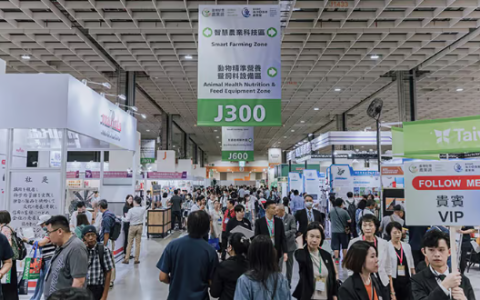
Taiwan Smart Agriweek 2025, to be held September 3–5 in Taipei, will feature AI-driven feed innovations, livestock automation, and smart agriculture solutions across Asia. AgriFood Taiwan, a new area completing the farm-to-fork journey, will also debut at the event.
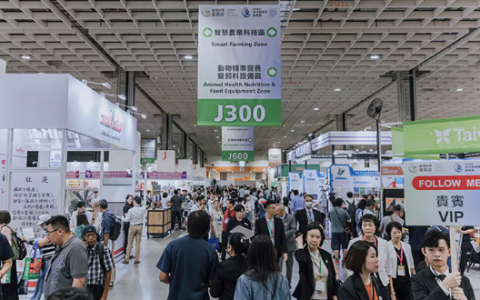
株式会社アイエンター(本社:東京都渋谷区、代表取締役:入江恭広、以下「アイエンター」)は、2025年9月3日(水)~9月5日(金)に台湾で開催される「Taiwan Smart Agriweek 2025」に出展いたします。
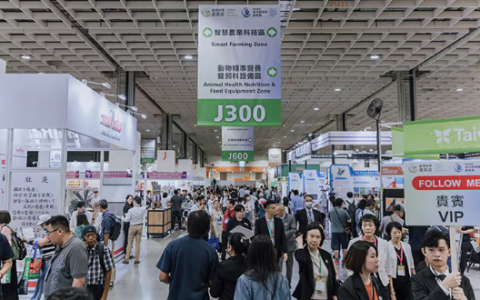
Aquatech Taiwan 2025, a key event in smart aquaculture, will take place from September 3 to 5, 2025, at TaiNEX 1 in Taipei, Taiwan. This exhibition is part of the larger Taiwan Smart Agriweek and showcases premier technologies in smart aquaculture systems, aqua biotech, aquafeed, and seafood processing.
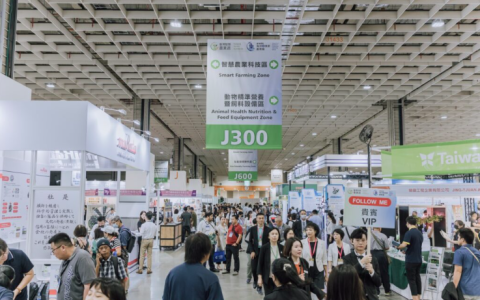
As part of Taiwan Smart Agriweek, AgriLivestock & Feed Taiwan 2025 showcases Asia’s most innovative solutions in animal nutrition, feed sustainability, and precision livestock farming technologies from September 3-5, 2025 at TaiNEX 1, Taipei, Taiwan. It is the region’s go-to platform for both feed and livestock farming professionals to connect, learn, and source smart solutions that unlock global agribusiness opportunities.