



2026 Asia-Pacific Fisheries & Aquaculture Trend White Paper Leveraging Taiwan as the Strategic Portal: Connecting Advanced Technology to Indonesia and the ASEAN Production Powerhouse
I. Executive Summary: The Great Asia-Pacific Pivot
By 2026, the Asia-Pacific region will have reached a historical tipping point in food security. Faced with climate volatility and supply chain disruptions, regional powers are shifting from traditional farming to high-capital, high-tech intensive aquaculture. Taiwan, with its robust ICT infrastructure and strategic subsidies, has emerged as the premier "Asia Testbed". This report highlights how global innovators can utilize Taiwan as a hub to access multi-billion-dollar opportunities across Southeast Asia.
II. The APAC Opportunity Map: National Mandates & Massive Demand
The current aquaculture landscape is driven by massive state-level investments that require immediate technical solutions:
- Indonesia: The "Free Nutritious Meal" (MBG) National Demand Under the administration of President Prabowo Subianto, Indonesia has launched the flagship MBG program, targeting 82.9 million students and vulnerable groups. To fulfill this monumental shift in national protein demand, Indonesia must drastically increase its domestic fish and shrimp production. The government is fast-tracking "Aquaculture Estates," creating a desperate need for scalable automation and cold-chain logistics.
- Singapore: High-Tech Protein Factories & "30 by 30" Singapore is doubling down on high-tech protein production to reach 30% nutritional self-sufficiency. With zero land to spare, it is the world’s most concentrated market for vertical indoor farming and Specific Pathogen-Free (SPF) technologies.
- Vietnam & Thailand: Export Quality & Bio-Security As global export leaders, these nations are aggressively adopting automated monitoring and AI-driven disease warning systems to meet international standards.
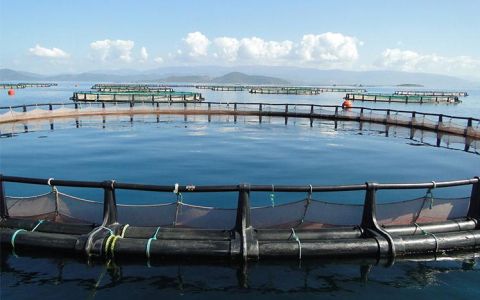
- Philippines: Offshore Expansion Actively developing offshore mariculture to reduce coastal environmental pressure, creating demand for resilient cages.
III. Taiwan: The Strategic Laboratory & Purchasing Hub
Taiwan is not just a producer; it is a high-value consumer and a hub for technology absorption.
- 500% Offshore Growth Target: Taiwan aims to increase offshore cage production from 3,000 tons to 15,000 tons by 2030. This creates an immediate gap for typhoon-resilient cages and remote management.
- The Solar-Fishery (Agrivoltaics) Revolution: Billions are being invested into large-scale indoor Recirculating Aquaculture Systems (RAS) built under solar arrays.
- Government Subsidies: The government offers grants of 30% to 50% for smart facility upgrades, significantly lowering the entry barrier for premium global suppliers.
IV. Niche Entry Points for Advanced Technology Providers
| Market | Core Policy Driver | Key Technology Needs (Niche) | |||
| Taiwan | 5x Offshore Growth / Solar-Fishery | Typhoon-resilient cages, AI vision, Low-energy RAS | |||
| Singapore | 30 by 30 / Protein Mandate | Vertical RAS, Genetic breeding, Data-driven traceability | |||
| Indonesia | 80M+ Student Meal Program | Scalable automation, Bio-security, Cold-chain logistics | |||
V. Why Taiwan SMART Agriweek is the Definitive Business Node
To scale in Asia, meeting the right decision-makers is vital. 2026 Taiwan SMART Agriweek is the designated bridge:
- ASEAN Buyer Delegations: Confirmed participation from the Singapore Food Agency (SFA), Indonesia’s Ministry of Marine Affairs and Fisheries (KKP), and private buying groups from Vietnam and Thailand.
- Access to New Capital: Meet Taiwan’s energy conglomerates and institutional investors who are the primary owners of new "Fishery-Solar" facilities.
- The Gateway Strategy: A technology successfully piloted and subsidized in Taiwan becomes the gold standard for immediate export to the rest of ASEAN.
VI. Conclusion: Join the Future of Asia’s Food Security
The future of fisheries is about "farming" smarter. We invite global innovators to bring their data, technology, and vision to Taipei. Together, we will define the next golden decade of the Blue Economy.
Other News

Datuk Seri Arthur Joseph Kurup says sustainable soil management is key to tackling urbanisation and climate threats, with RM120 million allocated for soil restoration.
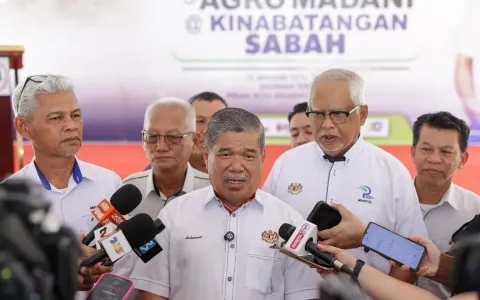
Malaysia aims to boost its ruminant livestock self-sufficiency rate from 20% to 50% by 2030 through new agri-food programmes and modern farming projects.
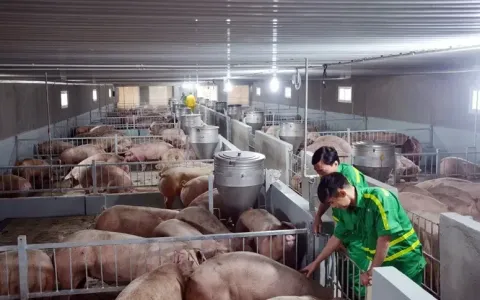
Vietnam's livestock industry is facing significant fluctuations in the first quarter of 2025. Pork prices have risen unusually high, contrary to the trend of previous years. While the livestock population remains relatively stable, poultry and egg prices have fallen sharply.
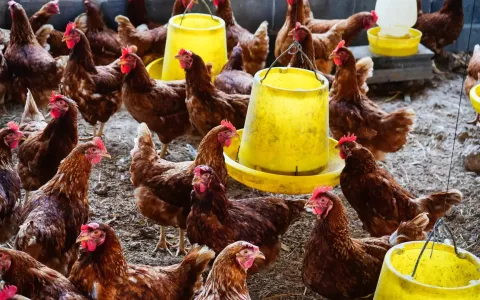
Vietnam’s livestock sector is accelerating restructuring, reducing production costs, and developing a fully integrated supply chain.
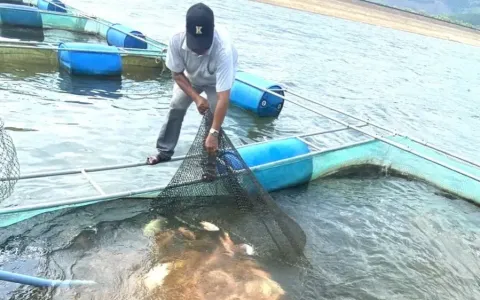
(GLO) - In the context of the fisheries sector's push for green transformation, agricultural extension work is not limited to technology transfer but also plays a role in connecting value chains and guiding sustainable production from the grassroots level.
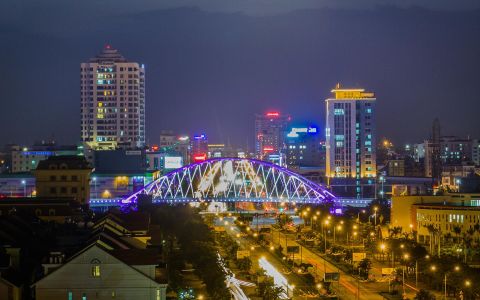
These projects focus on high-tech aquaculture, vegetable and flower cultivation, livestock farming, and slaughter operations.
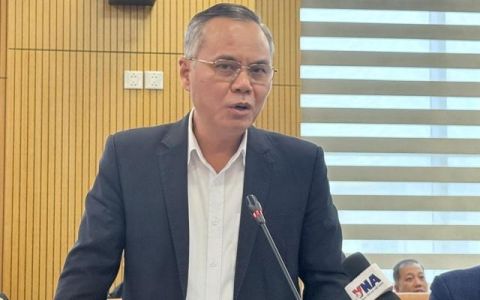
As Việt Nam’s livestock sector faces the need to renew its growth model, enhance added value and fulfil its sustainable development commitments, Deputy Director of the Department of Livestock Production and Animal Health Phạm Kim Đăng spoke to Việt Nam News reporter Trần Như about the sector’s key orientations and solutions for 2026.
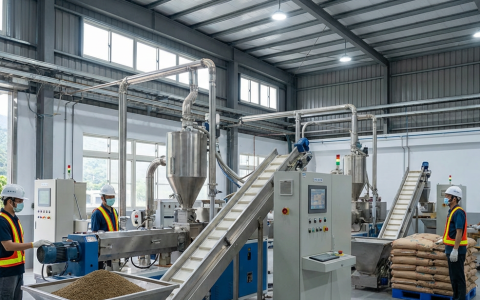
Taiwan’s aquafeed production has been stable at around 430–450 thousand tons per year, accounting for roughly 7% of total compound feed output between 2021 and 2024.

The Ministry of Agriculture and Environment identifies 2026 as a pivotal year in advancing the sector’s sustainable development goals and contributing to the country’s overall development trajectory.
Vietnam aims to expand its marine aquaculture by 2030, focusing on sustainable, industrial-scale growth to boost the blue economy and protect coastal ecosystems.