



How Taiwan Pig Industry Became a Global Benchmark for Resilience After ASF Breakout in 2025
Taiwan might have achieved what might be a historic milestone in Asia swine farming; the successful containment of African Swine Fever (ASF) while moving toward becoming “Triple-Disease Free” (ASF, FMD, and CSF).
Following the 3-month containment period with no new ASF case, the Ministry of Agriculture has submitted an application to the World Organization for Animal Health to restore Taiwan’s ASF-free status on February 21, 2026. This highlights Taiwan’s strict biosecurity measures to ensure food security through proactive government policies and strategic farm-modernization incentives.
With the ASF-free submission, Taiwan continues to tighten its border and introduced new measurements to ensure limited ASF breakout. From new implemented protocols to new government subsidies, the small island at the waters off the southeast coast of China continues to impress other countries with its swift reaction to current livestock challenges.
Preventative & Transition Pre ASF Outbreak
Taiwan is currently focusing on preventive measures to keep it’s ASF free status. Beyond border control, the government is implementing several structural changes to ensure the 2025 Taichung outbreak remains an isolated event; some as below :
1. Clean Feed Transition
Starting from early 2026, food-waste has been banned to be fed to pigs following the first case started. This transition opens the opportunity for innovative pig feed and alternative protein. With strict oversight on farms using business food waste are required to use GPS-tracked transport and video-monitored heat treatment system, this full nationwide ban is scheduled to take measures in December 31, 2026 with full ban in 2027.
2. Nationwide Biosecurity Audits & Monitoring
In support of the re-application to WOAH, the Ministry of Agriculture has expanded its field-level inspections. This include deploying additional early warning & monitoring systems nationwide, to biosecurity audits on nationwide pig farm to ensure swine farm housing meets the international standards.
3. Government Subsidies for Modernization
The government is providing subsidies for the in the phased ban on food-waste feeding, which will be fully implemented by 2027 with 1-year transition. The subsidies include :
- NT$3,600 per head for early adopters switching to commercial grain feed.
- NT$1,800 per head for those transitioning throughout 2026.
- Up to NT$3 Million per farm in modernization grants for closed-loop housing.
Traditional Transition to Modern Technologies and Trends
With the current transition of waste feeding, AgriLivestock & Feed Taiwan, held from September 8-10 2026, brings together feed innovators and livestock waste technology providers making this resilience possible from;
- Autonomous Bisosecurity : From AI-powered camera and health sensors that detect early signs of respiratory distress and heat at livestock farms 24/7
- Labor-Saving Automation : Solving the labor shortage crisis through robotic feeding and smart environmental controls, reducing manual labor by 40%
- Net-Zero Focus: Converting livestock waste into biogas energy increasing revenue streams.
This provides an onsite experience for attendees to explore Taiwan’s turnkey technologies and innovations in the swine industry while connecting with industry experts.
References :
- Government to phase out feeding food waste to pigs
- Ministry reapplies for ASF-free status after outbreak - Taipei Times
- Taiwan: ASF Triggers Ban of Food Waste in Hog Feed | USDA Foreign Agricultural Service
- Prevent African Swine Fever! Taichung Customs Urges the Public Not to Bring or Send Pork Products to Taiwan-Ministry of Finance, R.O.C
Other News
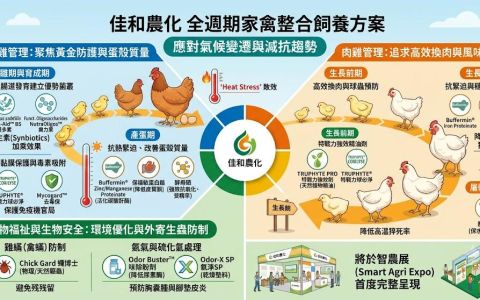
As global climate change intensifies, "heat stress" triggered by high summer temperatures has become a core challenge for the poultry farming industry. Meanwhile, under the dual trends of animal-friendly farming and antibiotic reduction, improving poultry immunity and gut health through precision nutrition has become key to maintaining production efficiency. In response, Jiahe Agrochemical Co., Ltd. (hereafter referred to as Jiahe Agrochemical) has proposed a full-cycle integrated feeding management solution tailored to the distinct physiological needs of layers and broilers, covering the "brooding period, mid-laying/growing stage, and environmental management.
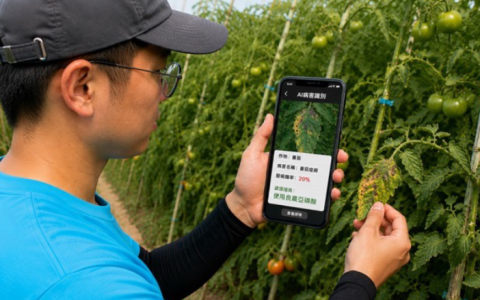
With Taiwan's agriculture facing multiple challenges such as an aging population, laborshortages, and climate change, how to effectively pass on the years of field experience accumulated by veteran farmers and combine it with emerging technologies to improve management efficiency has become an important issue for agricultural development. Agro-Green International Co Ltd stated that the future of agriculture not only requires experience,but also data analysis and smart technology to assist decision-making, creating a new generation of management models that combine inheritance and innovation.

By 2026, the Asia-Pacific region will have reached a historical tipping point in food security. Faced with climate volatility and supply chain disruptions, regional powers are shifting from traditional farming to high-capital, high-tech intensive aquaculture.

Datuk Seri Arthur Joseph Kurup says sustainable soil management is key to tackling urbanisation and climate threats, with RM120 million allocated for soil restoration.
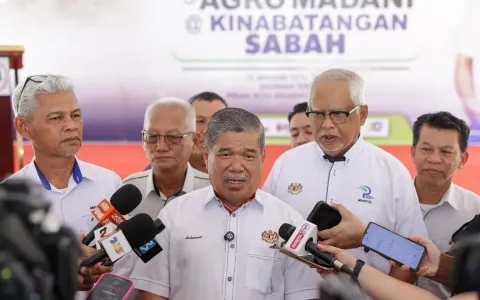
Malaysia aims to boost its ruminant livestock self-sufficiency rate from 20% to 50% by 2030 through new agri-food programmes and modern farming projects.
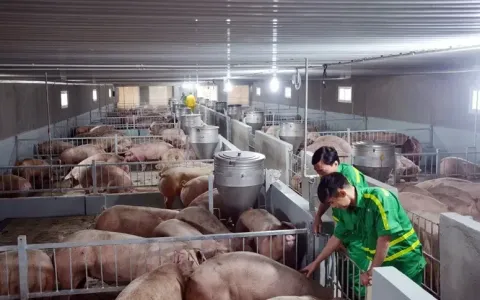
Vietnam's livestock industry is facing significant fluctuations in the first quarter of 2025. Pork prices have risen unusually high, contrary to the trend of previous years. While the livestock population remains relatively stable, poultry and egg prices have fallen sharply.
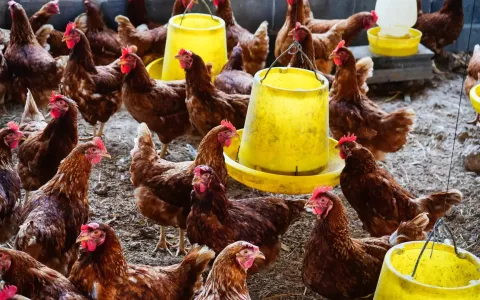
Vietnam’s livestock sector is accelerating restructuring, reducing production costs, and developing a fully integrated supply chain.
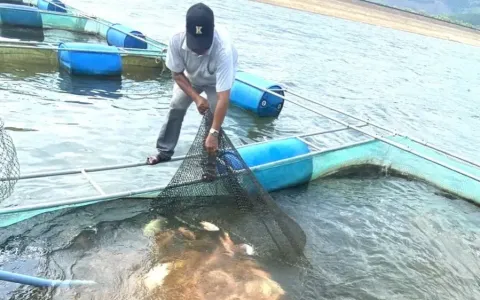
(GLO) - In the context of the fisheries sector's push for green transformation, agricultural extension work is not limited to technology transfer but also plays a role in connecting value chains and guiding sustainable production from the grassroots level.

These projects focus on high-tech aquaculture, vegetable and flower cultivation, livestock farming, and slaughter operations.