



Amidst changing global dynamics and climate change, Taiwan's agriculture needs a 'preventive management' approach
Geopolitical Shifts, Climate Change, and an Aging Workforce: The Dual Challenges Facing Taiwan's Agriculture
Escalating tensions in the Middle East have driven fluctuations in energy, logistics, and raw material prices, subsequently impacting the cost of agricultural inputs such as fertilizers, pesticides, and plastic packaging materials. Fluctuations in crude oil and transportation costs may further threaten supply stability and increase production costs for farmers. Liangnong points out that in recent years, the agricultural market has gradually shifted from pure price competition toward a greater emphasis on supply stability, risk management, and production efficiency.
Furthermore, climate change continues to alter the agricultural production environment. Extreme weather events—such as high temperatures, droughts, and heavy rainfall—are becoming increasingly frequent. This not only adds stress to crops but also shifts the patterns of pest and disease outbreaks. On the other hand, Taiwan's agriculture is facing an aging workforce and labor shortages. How to pass down the cultivation experience of veteran farmers while integrating smart agricultural technologies has become a crucial issue for the future of agriculture.
By utilizing technologies such as big data analysis—ranging from field monitoring and pest identification to precision drone application—a more comprehensive preventive management model can be established. Technology is not meant to replace farmers; rather, it serves to mitigate risks, enhance efficiency, and preserve invaluable field experience.
Combining Plant Doctors and Smart Farming: Liangnong Drives a New Approach to Plant Health Management
Taiwan officially passed the Plant Physician Act in 2024 and held its first national examination in 2025, injecting new momentum into the professional development of Taiwan's agricultural sector. According to Liangnong, this system signifies that Taiwan's agriculture is steadily building a more comprehensive framework for plant health management and diagnosis. Through scientific diagnosis and preventive management, the initiative helps farmers establish safer, more precise, and sustainable agricultural models. Looking ahead, Plant Physicians will play a vital role in bridging cultivation management, pest and disease control, and smart agriculture.This year, Liangnong Modern Agriculture Technology Co., Ltd. will participate in Taiwan Smart Agriweek to share its concepts and practical applications regarding plant health management, preventive agriculture, smart application, and sustainable cultivation. The company stated that moving forward, it will continue to integrate technology, professional expertise, and practical field experience to tackle the emerging challenges of tomorrow's agriculture alongside farmers
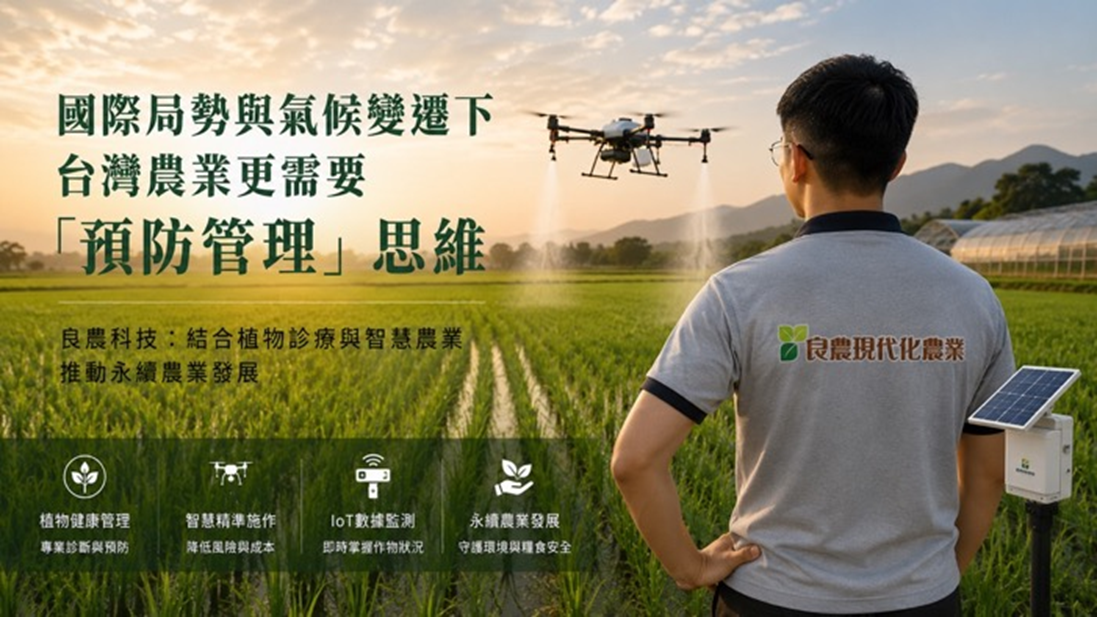 Figure 1: Amidst Changing Global Dynamics and Climate Change, Taiwan's Agriculture Needs a Preventive Management Approach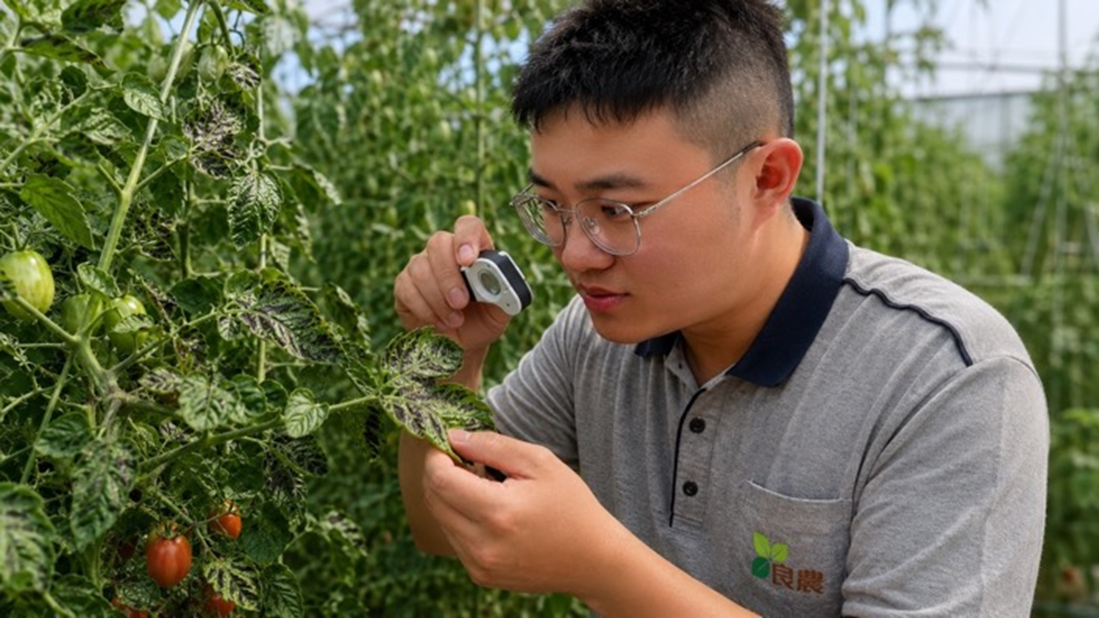
Figure 2: Plant Physician Field Diagnosis: Integrating Smart Agriculture with Plant Health Management.
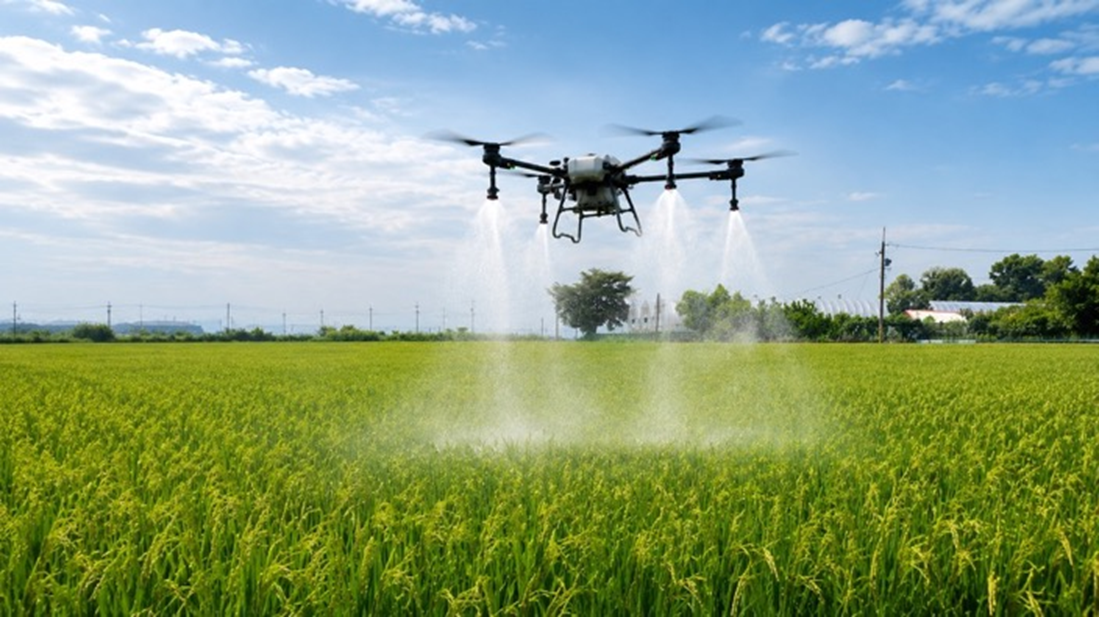
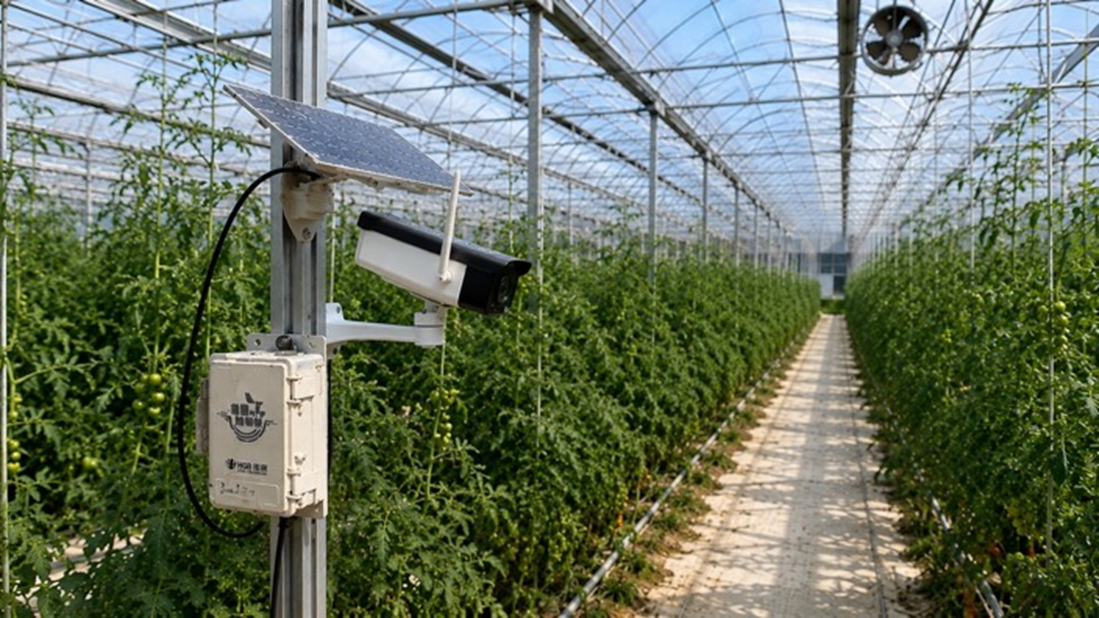 Figure 4: Smart monitoring equipment applied in a greenhouse environment and integrated with a data platform, showcasing management and precise decision-making.
Other News
KSP_官網Banner廣告__26H14xaLK6.jpg)
Kasetphand operates across Engineering, Technology, and Integrated Solutions for the agro-industrial and food sectors. Built on decades of experience and expertise, our business spans Feed, Farm, Food, and Energy, connecting knowledge, technology, and innovation to deliver solutions that address the entire value chain—from upstream to downstream.
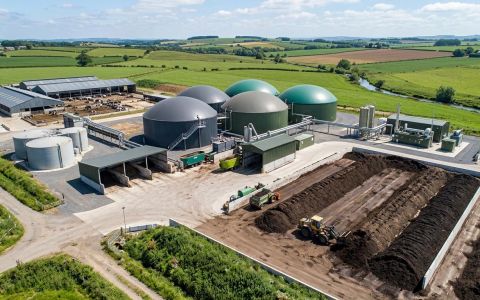
High Disposal Costs, Strict Compliance, Urgent Timelines.
Taiwan Smart Agriweek 2026 takes you through a comprehensive look at organic waste sorting, resource recovery, and circular regeneration solutions.
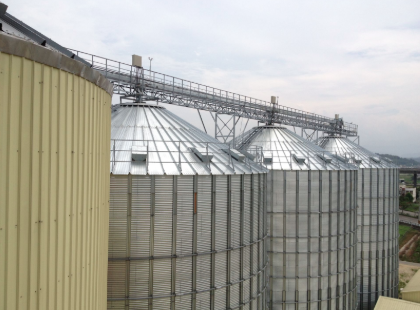
Behlen, a leading U.S. manufacturer of corrugated galvanized steel grain silos, is partnering with its Taiwan agent, AgriAsia DC, to exhibit at the 2025 Taiwan Smart Agriweek in TaiNEX Hall 1, booth K412. The exhibition will focus on showcasing the Behlen Grain Storage & Cooling Silo, an advanced solution designed to enhance and preserve the quality of stored grains.
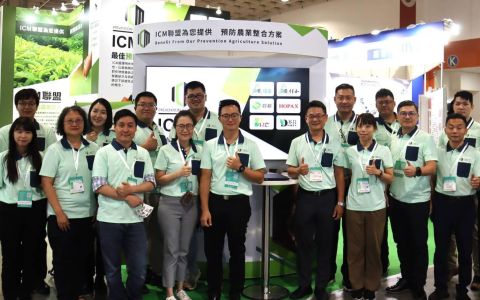
Taipei, Taiwan – September 3, 2025 – Agro-Green International Co., Ltd., JH Biotech, Inc., and Group Gain Bio-Agri Co., Ltd. have officially formed the ICM Agricultural Alliance, built on the principles of Integrated Crop Management (ICM), committed to promoting Integrated Crop Management practices that enhance crop health, productivity, and sustainability. The Alliance will debut its latest “Prevention Agriculture” innovations at Taiwan Smart Agriweek, held September 3–5, 2025, at the Taipei Nangang Exhibition Center.
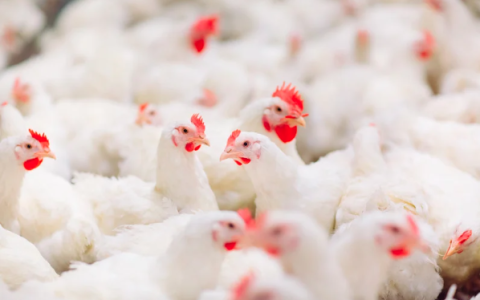
Optimizing intestinal health through balanced microbiota, immune support, and targeted nutrition offers a powerful pathway to reduce antibiotic use and enhance both animal welfare and productivity.
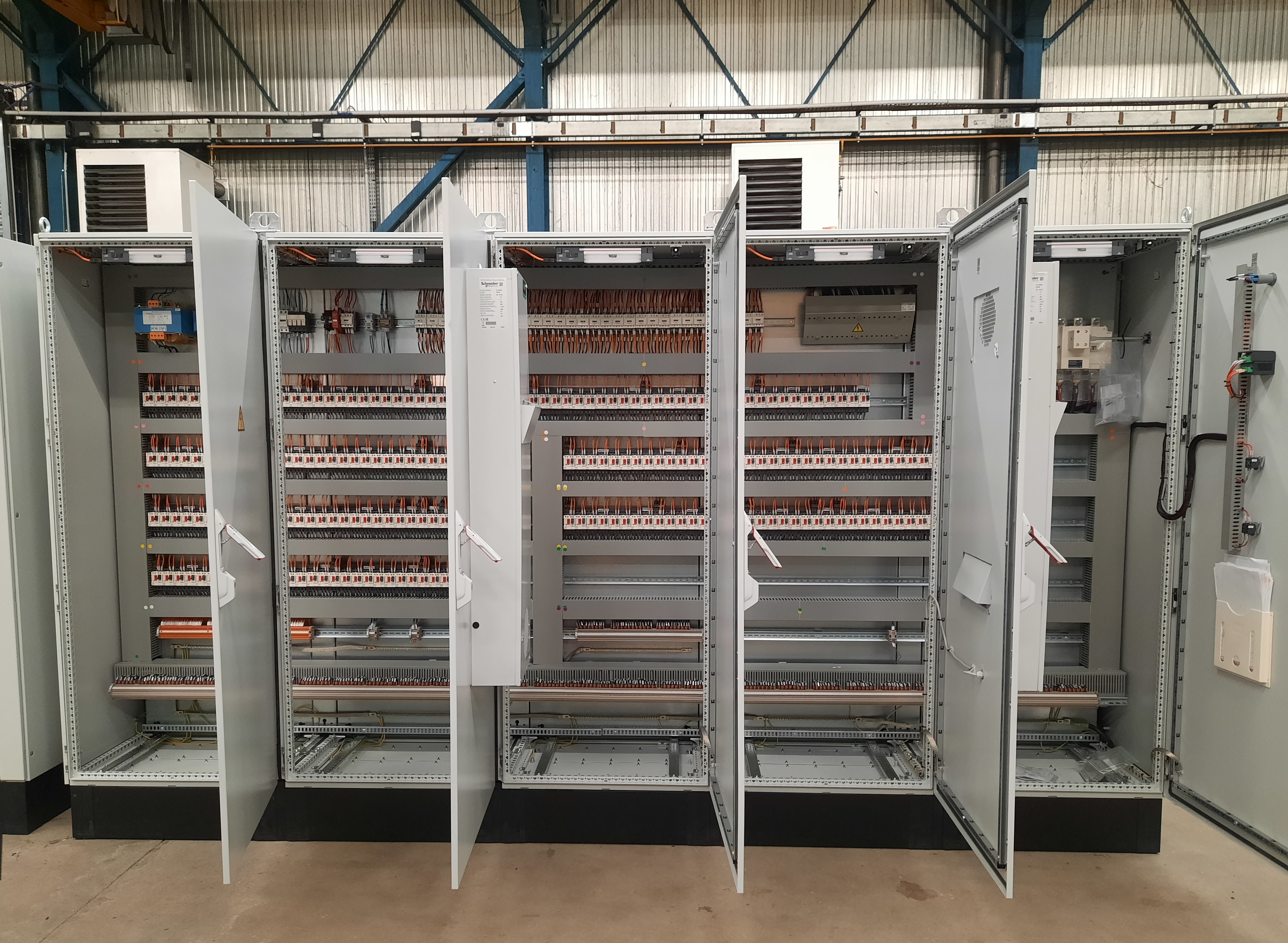
Vibrafloor’s patented Full-Floor Vibrating Discharge System, showcased by Agriasia Development Corp. at Taiwan Smart Agriweek 2025, revolutionizes grain storage by eliminating bridging and simplifying cleanouts with a low-energy, fully automated solution.
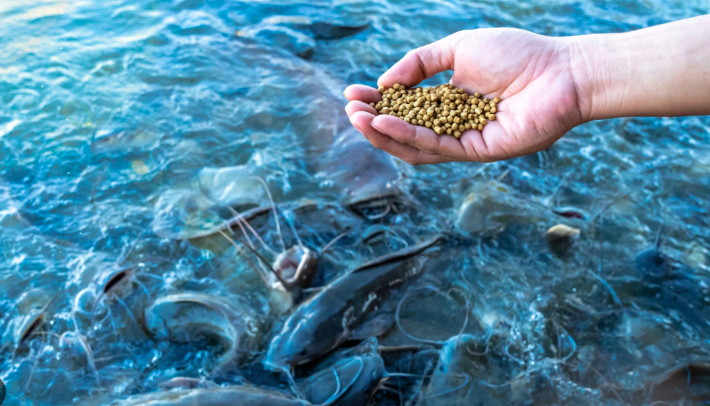
Varicon Aqua’s HDRS™ offers a stable, automated solution for rotifer cultivation—trusted by hatcheries and labs worldwide—and will be showcased at booth K003 during Taiwan Smart Agriweek 2025.
At this year’s “Smart Agriculture Week,” JH Biotech, Inc., a U.S.-based leader in sustainable crop solutions, officially announced a strategic partnership with Taiwan’s premier cold-chain agricultural enterprise, Sun Fresh Vegetable Co., Ltd. The two companies will jointly promote a sustainable agricultural model centered on the principle of “prevention first,” combining smart cold chain logistics with crop health management technologies to create a fully integrated farm-to-table ecosystem.
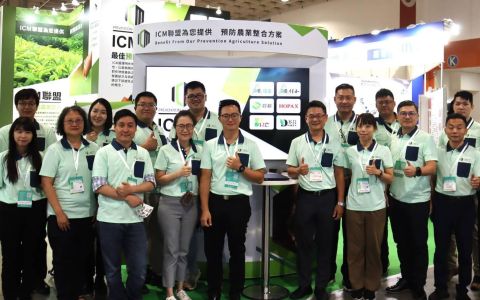
As global climate change intensifies and consumer demand for safe agricultural products grows, sustainable agricultural development has become an urgent issue. The 2025 TAIWAN SMART AGRIWEEK is set to take place at the Nangang Exhibition Center, where the ICM (Integrated Crop Management) Alliance will once again be a focal point.
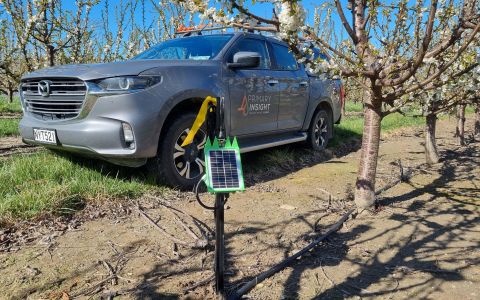
NZ Cherry Corp improved cherry firmness and export yield by optimizing irrigation using Sentek soil moisture probes and guidance from Primary Insight, achieving a 10% export pack-out increase through better water management practices from 2023–25.