



Making the Best of Integrated Crop Management: Saving Cost of Short-term Crop Management for Farmers while Ensuring Bountiful Harvests
Farmers who have attended agricultural seminars hosted by governmental agencies are likely familiar with Integrated Pest Management (IPM), a method that combines the use of pesticides with various techniques such as physical, biological, and agricultural control measures to reduce pest/pathogens populations and minimize pesticide residues. Besides reducing the development of pesticide resistance among pests, IPM also has positive effects to our environment.
However, the use of different control methods can only reduce the damage caused by pests and have limitations on improving crop yields. In recent years, Integrated Crop Management (ICM) has emerged internationally. ICM incorporates Integrated Nutrient Management (INM) with IPM, enhancing crops' inherent resistance to pests/pathogens and improving nutrient uptake and physiological transformation.
Dr. Yang Hsiu-Chu, a retired researcher from the ACRI, has been a major advocate for ICM promotion in Taiwan. The Ministry of Agriculture of Taiwan has implemented the "Demonstration Project for Promoting the Introduction of Crop Integrated Management (ICM) into Production and Marketing Group Verification," promoting ICM for crops such as pineapples, dragon fruits, rice, cucumbers, and sweet potatoes. The Taiwan ICM Enterprise Alliance, comprising JHB Taiwan Corporation, Hopax Fine Chemicals, Agrogreen, and Group Gain, introduced ICM schemes for strawberries, coffee, cantaloupes, mangoes, and citrus fruits at last year's Asia-Pacific Agricultural Technology Exhibition. These schemes utilize organic fertilizers combined with microbial agents and liquid fertilizers, along with potassium phosphite, plant essential oils, and trace elements such as manganese and zinc, to enhance the absorption of major and trace elements while simultaneously reducing pest/disease occurrences.
In field demonstrations of short-term crops, using microbial agents derived from Bacillus licheniformis and Bacillus subtilis, organic fertilizers with added microbial agents, and potassium phosphite, strawberry yields increased by 5% to 17%. Combining microbial product with organic fertilizers further increased Chinese cabbage fresh weight by 35%. Spraying cinnamon essential oil product increased tomato yields by 15%. Additionally, irrigating potatoes with cinnamon essential oil, microbial product, and potassium phosphite increased yields by 28%, 18%, and 5%, respectively, while reducing the incidence of potato scab.
During Taiwan Smart Agriweek in 2024, two mainland China cpmpanies into the Taiwan ICM Enterprise Alliance, including JHB China Inc. and Duofen Agriculture. In addition to existing items like immune inducers, plant protection essential oils, botanical pesticides, and microbial fertilizers, leaf nutrient agents have been added. These additions will further assist farmers in implementing ICM for crop production management, enabling them to quickly mitigate initial losses caused by pests while simultaneously increasing crop yields and quality during harvesting periods.
Other News
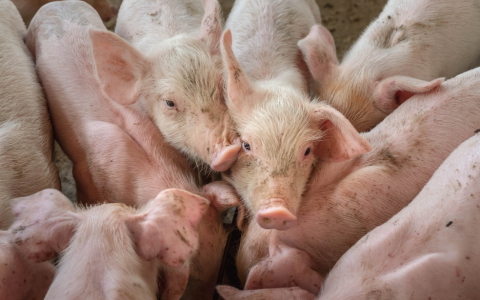
Taiwan Smart Agriweek 2026 tackles the agricultural "Triple Threat" of climate, labor, and disease. Discover the smart technologies transforming these global challenges into resilient, profitable business opportunities.
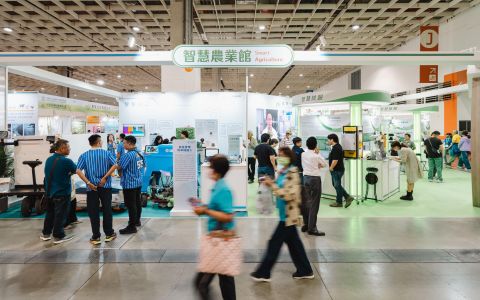
Taiwan Smart Agriweek 2026 serves as the definitive hub for climate-resilient technology, uniting global agribusinesses to conquer the triple challenge of extreme weather, labor shortages, and disease through smarter, more profitable farming models.

Please be informed that our office will be closed for the Lunar New Year holiday from February 14 to February 22.
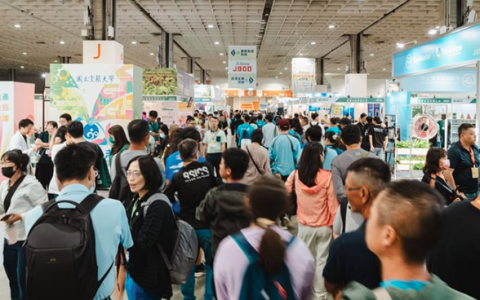
Held on September 8–10, 2026, AgriLivestock & Feed Taiwan will connect Asia’s livestock sector through smart livestock farming and feed innovation. The event in Taipei aims to promote networking between solution providers, farmers, and feed industry professionals.
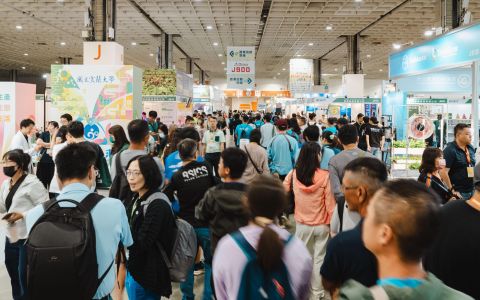
AquaTech Taiwan 2026, part of Taiwan Smart Agriweek, returns to TaiNEX 1, Taipei from 8–10 September 2026 as Asia’s dedicated aquaculture platform connecting smart farming systems, aquafeed innovation, water quality management, and sustainable aquaculture technologies with professional buyers and industry stakeholders.
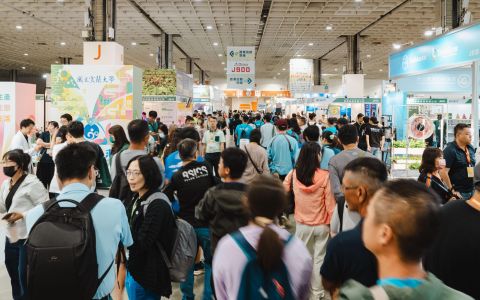
AgriLivestock & Feed Taiwan 2026, part of Taiwan Smart Agriweek, returns to TaiNEX 1, Taipei from 8–10 September 2026 as Asia’s dedicated platform connecting smart livestock systems, feed innovation, animal health, and biosecurity solutions with poultry, dairy, and swine industry professionals.
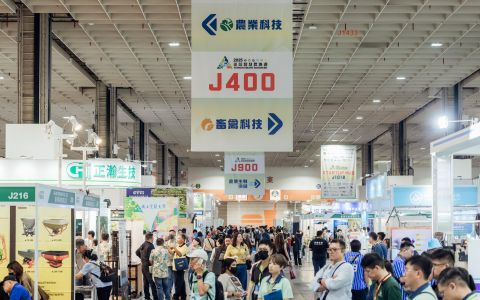
AgriTech Taiwan 2026, part of Taiwan Smart Agriweek, returns to TaiNEX 1, Taipei from 8–10 September 2026 as Asia’s practical hub for smart agriculture, showcasing IoT, automation, AI, and farm-to-production solutions connecting global innovators with farmers and agribusiness buyers.

The inauguration of President Prabowo Subianto's administration has signaled a definitive paradigm shift in Indonesia's domestic policy, centered on the ambitious Makan Bergizi Gratis (MBG) or Free Nutritious Meal program.
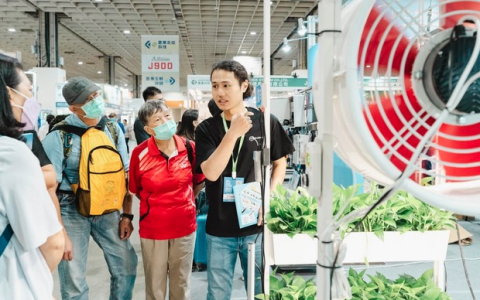
AgriTech Taiwan, part of Taiwan Smart Agriweek, one of Asia's dedicated events for smart farming, returns to TaiNEX 1, Taipei, from 8–10 September 2026.
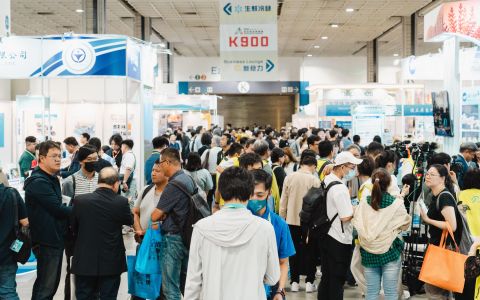
Taiwan Smart Agriweek, one of the leading smart solutions and technology expos for the agricultural industry in Asia, will be held in TaiNEX 1, Taipei , a strategic gateway to Asia’s agri-technology market hub, from 8–10 September 2026.