



Overview of Taiwan's Agricultural Sector
Taiwan’s agriculture plays a pivotal role in national food security, economic development, and global trade. Despite limited arable land, climate challenges, and an aging rural workforce, Taiwan has developed a highly efficient and technologically advanced agricultural system. Today, the sector is undergoing a digital and sustainable transformation through smart farming, automation, and eco-friendly practices—aimed at boosting productivity, reducing labor reliance, and improving resilience.
Top 10 Agricultural Commodities in Taiwan (Ranked by production volume)
- Vegetables – The largest production category, including leafy greens, roots, stems, and fruit-bearing vegetables.
- Fruits – Bananas, pineapples, citrus fruits, and mangoes are essential for both domestic consumption and exports.
- Paddy Rice – A staple food with strong government price stabilization support for food security.
- Sugar Cane – Though the planting area is shrinking, it still supplies sugar refining and related industries.
- Sweet Potatoes – A traditional crop now widely used in processed foods and starch-based products.
- Food Corn – Cultivated for direct consumption and processed applications.
- Feed Corn – A critical input for Taiwan’s livestock and poultry feed industries.
- Potatoes – Increasing in demand for fresh consumption, starch extraction, and snack manufacturing.
- Peanuts – Used extensively in cooking oils, snack foods, and confectionery.
- Adzuki Beans – A staple in traditional desserts and processed food markets.
Key Challenges Facing Taiwan’s Agriculture
Aging Farmers & Labor Shortages
- The average age of Taiwanese farmers exceeds 62, with young farmers comprising just 8.3% of the workforce 1.
- Smart machinery, automated systems, and digital farm management are essential to reduce labor dependency.。
Climate Change & Natural Disasters
- Taiwan experiences 3–5 typhoons annually, with agricultural losses reaching NT$4.7 billion in 2023 4.
- Climate-resilient practices such as smart irrigation, disaster insurance, and resilient crop varieties are gaining traction.
Declining Arable Land
- Due to urban expansion and industrial use, Taiwan’s farmland has decreased by over 20% since 1990 2.
- Urban farming, vertical agriculture, and greenhouse systems are emerging as viable alternatives.
Pest & Disease Pressure
- Subtropical humidity leads to persistent pest and disease threats.
- There’s increasing demand for biological control solutions, disease-resistant seeds, and eco-friendly pesticides 3.
Challenges and Solutions — English Version
| Agricultural Challenge | Innovative Solution |
| Aging Farming Population & Labor Shortages | Smart machinery, automation, and digital farm management |
| Climate Change & Natural Disasters | Resilient crop varieties, smart irrigation, and insurance systems |
| Limited Arable Land | Urban farming, vertical farming, and greenhouse systems |
| Pest & Disease Pressure | Biological control, resistant seeds, and eco-friendly pesticide options |
Opportunities for Innovation & Growth
Smart & Precision Agriculture
- AI-based vision systems, IoT sensors, and unmanned aerial vehicles are improving monitoring, fertilization, and pest management.
- For instance, Tainan's smart tomato greenhouses deploy image recognition to track crop health 3.
Sustainable & Organic Farming
- Taiwan’s organic market has surpassed NT$20 billion in 2022 5. Farmers increasingly adopt composting, biological control, and crop rotation.
Post-Harvest Innovation & Cold Chain Logistics
- • Post-harvest losses range from 8–12% annually. Investment in packaging, cold chain storage, and export compliance is crucial 2.
Smart Livestock & Aquaculture
- Precision feeding, real-time monitoring, and AI health tracking are transforming Taiwan’s animal husbandry and aquaculture sectors.
- Pingtung’s smart fish farms, for example, use water quality sensors for automated control 3.
Government Incentives & International Partnerships
- The 2025 Eco-Friendly Plant Protection Subsidy provides:
-
- Up to NT$10,000/ha for biopesticides
- Up to NT$5,000/ha for unregistered eco-materials
- Creating clear pathways for global technology vendors to collaborate with local distributors and cooperatives2
- Additional support includes smart agriculture pilot zones and youth farmer startup loans 6.
Subsidy Policies Overview
| Policy Item | Description |
| 2025 Eco-Friendly Plant Protection Subsidy | Biopesticides: up to NT$10,000/ha; Unregistered eco-materials: up to NT$5,000/ha |
| Smart Agriculture Pilot Zones | Field testing and application of innovative agricultural technologies |
| Agricultural R&D Subsidy | Annual support up to NT$100–300 million for research and development |
| Youth Farmer Loans | Low-interest loans for young farmers, with rates starting from 1.5% |
Conclusion: Taiwan’s Agricultural Future
Taiwan is navigating a critical shift from traditional to modern agriculture. With strong policy support, increasing consumer demand, and an innovation-ready ecosystem, Taiwan is building a “low-labor, high-efficiency, eco-friendly” agri-model. This transformation is not only vital for domestic food security but also showcases Taiwan’s strengths in quality production, tech innovation, and global partnerships.
References
- 行政院農業部(2023)。《農業統計年報2023》。
- 行政院農業部(2023)。《農業政策白皮書》。
- 行政院農業部(2021)。《智慧農業推動方案(2021–2025)》。
- 行政院農業部(2023年10月)。《2023年農業天然災害統計報告》。
- 行政院農業部(2022)。《有機農業推動現況與市場規模報告》。
- 農業金融署(2023)。《青年農民創業貸款計畫手冊》。
Other News
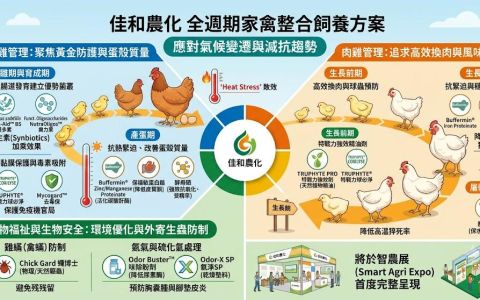
As global climate change intensifies, "heat stress" triggered by high summer temperatures has become a core challenge for the poultry farming industry. Meanwhile, under the dual trends of animal-friendly farming and antibiotic reduction, improving poultry immunity and gut health through precision nutrition has become key to maintaining production efficiency. In response, Jiahe Agrochemical Co., Ltd. (hereafter referred to as Jiahe Agrochemical) has proposed a full-cycle integrated feeding management solution tailored to the distinct physiological needs of layers and broilers, covering the "brooding period, mid-laying/growing stage, and environmental management.
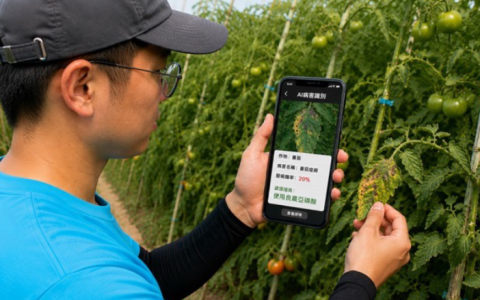
With Taiwan's agriculture facing multiple challenges such as an aging population, laborshortages, and climate change, how to effectively pass on the years of field experience accumulated by veteran farmers and combine it with emerging technologies to improve management efficiency has become an important issue for agricultural development. Agro-Green International Co Ltd stated that the future of agriculture not only requires experience,but also data analysis and smart technology to assist decision-making, creating a new generation of management models that combine inheritance and innovation.
By 2026, the Asia-Pacific region will have reached a historical tipping point in food security. Faced with climate volatility and supply chain disruptions, regional powers are shifting from traditional farming to high-capital, high-tech intensive aquaculture.

Datuk Seri Arthur Joseph Kurup says sustainable soil management is key to tackling urbanisation and climate threats, with RM120 million allocated for soil restoration.
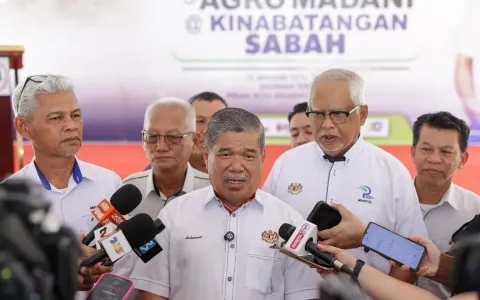
Malaysia aims to boost its ruminant livestock self-sufficiency rate from 20% to 50% by 2030 through new agri-food programmes and modern farming projects.
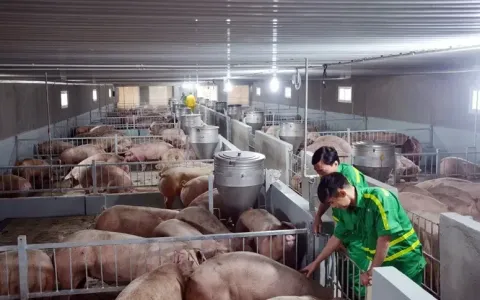
Vietnam's livestock industry is facing significant fluctuations in the first quarter of 2025. Pork prices have risen unusually high, contrary to the trend of previous years. While the livestock population remains relatively stable, poultry and egg prices have fallen sharply.
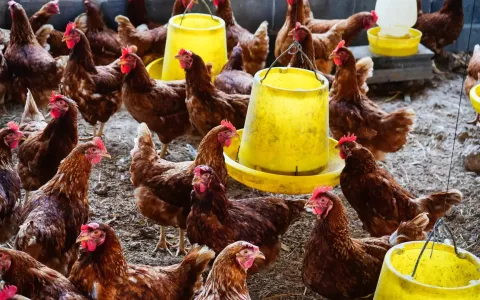
Vietnam’s livestock sector is accelerating restructuring, reducing production costs, and developing a fully integrated supply chain.
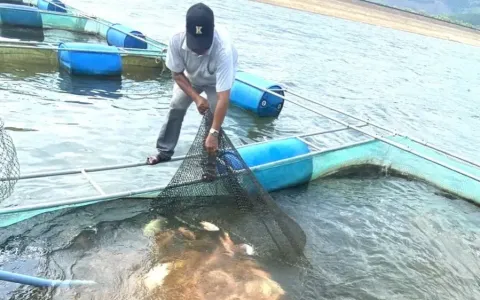
(GLO) - In the context of the fisheries sector's push for green transformation, agricultural extension work is not limited to technology transfer but also plays a role in connecting value chains and guiding sustainable production from the grassroots level.

These projects focus on high-tech aquaculture, vegetable and flower cultivation, livestock farming, and slaughter operations.

As Việt Nam’s livestock sector faces the need to renew its growth model, enhance added value and fulfil its sustainable development commitments, Deputy Director of the Department of Livestock Production and Animal Health Phạm Kim Đăng spoke to Việt Nam News reporter Trần Như about the sector’s key orientations and solutions for 2026.