



Taiwan Aquaculture Feed Industry Trends Report (2021–2025)
1. Industry snapshot and key messages
- Taiwan’s aquafeed production has been stable at around 430–450 thousand tons per year, accounting for roughly 7% of total compound feed output between 2021 and 2024.
- The number of reporting feed plants fell from 113 to 107 over the same period, while aquafeed volume held steady, indicating ongoing consolidation and capacity concentration.
- A small group of leaders (DaChan, Oceanfeed/Shei Yu, Grobest, CP Taiwan, Uni‑President, Fwusow, etc.) are widening the gap with smaller mills via precision nutrition, functional feeds, digital aquaculture services and sustainability/ASC alignment.
2. Market size and growth
2.1 Domestic production and share within total feed
Based on Taiwan Feed Industry Association (TFIA) statistics:
| Year | Aquafeed (tons) | Total compound feed (tons) | Aquafeed share | Reporting plants |
| 2021 | 428,772 | 5,996,675 | 7.15% | 110 |
| 2022 | 447,539 | 6,149,772 | 7.28% | 111 |
| 2023 | 428,327 | 6,018,968 | 7.12% | 113 |
| 2024 | 430,676 | 6,126,145 | 7.03% | 107 |
- The market is mature and volume‑stable, not in a rapid expansion phase.
- Aquafeed remains a mid‑size niche versus pig and poultry feed, but unit prices, technology intensity and export linkages make it strategically important.
2.2 Link to global aquafeed growth
- Globally, aquaculture feed is forecast to grow from about USD 68–70 billion in the mid‑2020s to over USD 90 billion by 2029, at ~6–7% CAGR, driven by Asia and Latin America.
- Taiwan’s domestic volume may be flat, but Taiwanese players with regional operations (e.g., Grobest, CP, Cargill Taiwan) can plug into this global growth through overseas feed and farm‑service platforms.
3. Structure, consolidation and concentration
3.1 Plant structure and consolidation
- Most Taiwanese mills are multi‑species compound feed plants; only a subset specialize in aquafeed.
- From 2023 to 2024, the number of reporting plants dropped from 113 to 107 while aquafeed tonnage slightly increased, suggesting:
- low‑efficiency or small mills exiting or shifting to tolling;
- higher utilization at large and mid‑size mills;
- product mix moving from low‑value generic fishmeal diets toward higher‑value functional and shrimp feeds.
3.2 Market concentration
- In 2023 DaChan produced ~79,500 tons of aquafeed versus total national output of ~428,000 tons, implying a national share of about 18–19% and clear No.1 position.
- Oceanfeed (Shei Yu) is reported at ~56,000 tons per year, implying ~12–13% share on a 430–450 thousand ton base, and is recognized as Taiwan’s leading marine‑fish feed brand.
- A 2025 Fair Trade Commission case named five fish feed companies for price collusion (Grobest, DaChan, Fwusow, Taisun, Yu Da), signalling that these firms collectively hold enough share in fish feed to influence market pricing.
Taken together, it is reasonable to assume the top 4–6 companies control well above 50% of Taiwan’s aquafeed market, with a long tail of regional and species‑focused mills sharing the remainder.
4. Key players and competitive positioning
4.1 Major players (indicative)
| Tier | Company | Indicative strengths | ||
| 1 | DaChan Great Wall | Clear national leader in tilapia feed (~30% share in that species), c. 18–19% of total aquafeed; strong in milkfish and integrated technical support. | ||
| 1 | Oceanfeed (Shei Yu) | Marine‑fish feed leader (~56k tons); strong brand among sea bass, groupers and coastal/indoor marine farms. | ||
| 1 | Grobest | Regionally strong in shrimp and functional feeds; >40% shrimp‑feed share reported in Vietnam; advanced nutrition and farm‑solution model (e.g., GROFARM, PRO systems). | ||
| 2 | CP Taiwan (Charoen Pokphand) | Global No.1 in animal feed by volume; in Taiwan, strong in shrimp and multi‑species feed with integrated farm‑to‑food value chain. | ||
| 2 | Uni‑President | Large integrated food and feed group with influence in eel and milkfish segments and strong downstream channels. | ||
| 2 | Fwusow | Century‑old feed and food group; named in the fish‑feed price case, indicating meaningful share; broad product portfolio. | ||
| 3 | Taisun | Produces fish and shrimp feed at its Taichung plant; also named in the FTC case, implying regional impact. | ||
| 3 | Yu Da | Regional fish‑feed player, likewise cited in the collusion ruling. | ||
| 3 | Cargill Taiwan | Local arm of a global grain and feed major; participates in aquafeed as part of its compound feed offering. | ||
| 3 | Other regional mills | Species‑ or region‑focused mills (e.g., in Yunlin, Tainan, Pingtung) covering specific client clusters. | ||
Note: Only DaChan’s total aquafeed output and tilapia share are numerically documented; other players’ shares are based on reported tonnage bands, case documents and industry commentary, not official TFIA league tables.
5. Species mix and demand drivers
- Taiwan’s aquaculture output is dominated by tilapia (~65k tons), milkfish (~51k tons) and marine species such as Asian sea bass (over 18k tons), plus shrimp and shellfish.
- Tilapia: Strongly concentrated around Chiayi (supplying ~90% of fry), making tilapia feed a core volume driver for DaChan and others.
- Milkfish: Tainan is the main producing area; feed demand is served by a combination of national brands and regional mills.
- Marine finfish (e.g., sea bass, groupers): Growing volumes and a shift toward premium domestic consumption support higher‑value marine‑fish feed, benefitting Oceanfeed and similar players.
- Shrimp: Remains a strategic growth segment, particularly for Grobest and CP, with strong pull from export markets requiring certified, traceable feed and farming systems.
On the demand side, modern retail, food‑service chains and e‑commerce increasingly demand standardized, traceable and sustainably farmed seafood, which indirectly pushes farmers toward branded, consistent and often certified feeds.
6. Technology and product trends
6.1 Precision nutrition and smart farming
- Government policies promoting “smart aquaculture” and aquaculture‑solar (“fish‑PV”) have mobilized around NTD 8.7 billion over four years to support upgrading of ponds, equipment, digital systems and cold chain.
- Feed companies are responding by combining:
o precision nutrition (species‑ and stage‑specific formulations, FCR optimisation);
o sensor‑ and camera‑based feeding control;
o cloud platforms for data logging and advisory services. - The direction of travel is from “just selling feed” to selling “feed + data + farm management solutions”, enhancing farmer stickiness and willingness to pay.
6.2 Functional and health‑oriented feeds
- Rising restrictions on antibiotics and tighter export standards are driving demand for functional feeds that support gut health, immunity and disease resistance.
- Key tools include probiotics, plant extracts, enzymes and immune‑modulating additives, often bundled with farm‑side lab and advisory services.
- Companies like Grobest use functional shrimp feeds and proprietary additives as a differentiated value proposition and as an entry point into comprehensive farm models (e.g., GROFARM).
6.3 Raw material shifts and sustainability
- Taiwan’s aquafeed currently depends heavily on imported fishmeal, soybean meal, corn and wheat, with average “food miles” of 8,000–14,000 km for major ingredients, translating into high carbon footprint and supply‑risk exposure.
- Globally and in Taiwan, there is clear movement towards:
- greater use of plant‑based proteins and by‑products;
- emerging options such as insect, algae and microbial proteins;
- improved feed conversion ratios and waste reduction to cut environmental impact.
7. Policy, standards and ESG pressure
7.1 Domestic policy
- Taiwan’s smart farming and aquaculture programmes support investment in automation, digital monitoring and resilience upgrades in ponds and raceways.
- This indirectly raises the technical bar for feed suppliers: more automated systems require tight physical quality specs (e.g., pellet durability, sinking rate) and consistent nutritional profiles.
7.2 ASC Feed Standard and certification
- Globally, the ASC Feed Standard has become a central sustainability benchmark: from late 2024 onward, ASC‑certified farms are required to source only from ASC‑certified feed mills in many markets, with a hard deadline of October 31, 2025 highlighted by several industry advisories.
- By 2024, more than 20 feed mills in 9 countries had already obtained ASC feed certification, with more in the pipeline.
- For Taiwan, this means aquafeed producers aiming at export‑linked value chains must:
- build full upstream traceability for all major ingredients;
- ensure marine and plant ingredients meet responsible sourcing criteria;
- measure and report energy use and GHG emissions at the mill level.
8. Outlook: 3–5 year themes and implications
8.1 Consolidation and regional expansion
- Further mergers, alliances and toll‑manufacturing among domestic mills are likely as environmental compliance, digitalization and certification costs rise.
- Taiwan‑based leaders will continue to use regional platforms—especially in Southeast Asia—for growth, exporting not only feed but farm management models and technology packages.
8.2 From volume to value
- With domestic tonnage relatively flat, growth will increasingly come from:
- moving farmers from generic to high‑value functional feeds;
- embedding feed in integrated service solutions (data, diagnostics, technical service);
- capturing ESG and certification premiums in export‑oriented supply chains.
8.3 Opportunities for investors and partners
For investors or strategic partners, attractive angles include:
- Backing platform players that combine feed, farm solutions and certification, rather than pure‑commodity feed mills.
- Supporting novel‑ingredient and circular‑economy initiatives that reduce import dependency and carbon intensity (e.g., by‑product upcycling, microbial or insect protein).
- Leveraging Taiwan’s R&D and system‑integration strengths to export aquaculture tech and models into the wider Asia‑Pacific region.
References
- Taiwan Aquatic Feed Market Size, Share, Opportunities, COVID-19 Impact, And Trends By Raw Material (Corn, Wheat, Others), And By Feed Type (Fish Feed, Others) - Forecasts From 2022 To 2027
- 111年臺灣配合飼料產量調查報告
- 113年臺灣配合飼料產量調查報告
- Taiwan Aquaculture Feed Market Size and Forecasts 2030
- 台灣水產養殖產業市場分析與商機趨勢報告
- 協益飼料股份有限公司 海洋飼料產業深耕台灣、放眼世界
- 水產養殖飼料市場規模及份額
- 全興飼料股份有限公司
- 新廠契機–大成水產飼料邁向水產第一
- 台灣飼料產業的發展及未來的展望
- Grobest, CP Foods, Skretting expand reach in Vietnam through proprietary shrimp-farming systems
- Grobest Vietnam’s shrimp feed upgrades aim to support farmers
- 動物精準營養產業發展趨勢分析報告
- 徐承堉/台灣海鮮「食物哩程」超高,平均 1.2萬公里,養殖海鮮吃進口飼料,哩程數3萬公里
- Grobest Vietnam is the market leader with exclusive feed additive
- 年收160億、強占油品和寵物食品的巨頭!福壽實業何以能屹立百年?董座親揭經營秘訣
- 動物飼品製造(087000)資本額排行榜
- 臺灣水產永續發展的雙重挑戰:消費趨勢與綠色轉型
- AquaTech Taiwan 2026: Asia’s Dedicated Platform for Smart Aquaculture Farming
- 水產養殖飼料龍頭攜手智慧科技 數位轉型強化國際市場競爭力
- Taiwan Aquafeed Market Size and Forecasts 2030
- 水產養殖的未來:飼料變革 | ASC 2024年度報告
- ASC-certified feed now mandatory across all certified farms, as global programme reports growth in 2024
- Seafood Transformation from Feed to Farm: ASC 2024 Impacts Report Captures a Year of Global Progress
- Deadline 2025: ASC Feed as the Key to Sustainable Aquaculture
- Taiwan Aquafeed Additives Market Insights
- Taiwan Aqua Feed Market Report 2025–2033: Market Indicators and Future Scope
- Aquafeed Additives Market to Reach US$ 2.87 Billion by 2030, Growing at 3.6% CAGR from 2022
- 臺灣觀賞水族飼料產業市場概況、競爭力及發展策略分析
- Grobest supports local shrimp farmers to access top-quality, high-yield shrimp larvae
Other News

The Ministry of Agriculture and Environment identifies 2026 as a pivotal year in advancing the sector’s sustainable development goals and contributing to the country’s overall development trajectory.
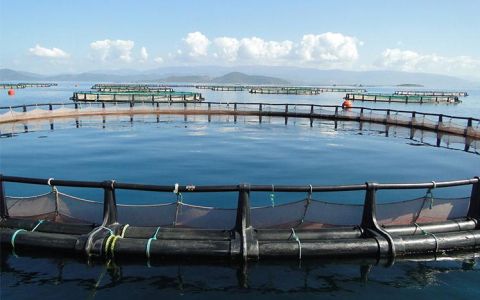
Vietnam aims to expand its marine aquaculture by 2030, focusing on sustainable, industrial-scale growth to boost the blue economy and protect coastal ecosystems.
Taiwan Smart Agriweek 2026 tackles the agricultural "Triple Threat" of climate, labor, and disease. Discover the smart technologies transforming these global challenges into resilient, profitable business opportunities.
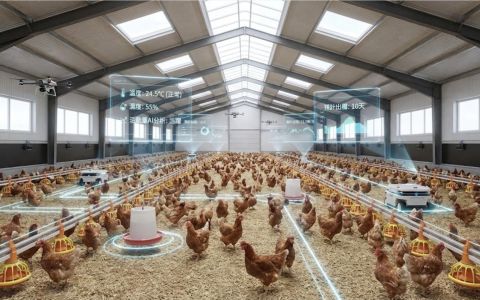
This report is based on the 2024 Taiwan Poultry Statistical Manual, published by the Veterinary and Livestock Development Foundation. The following is a quick summary highlighting the key data and development trends of Taiwan's poultry industry in 2024:

Climate change, labour shortages and rising sustainability demands are reshaping agriculture. Here are the key smart farming technologies and trends transforming the sector in 2026.
Taiwan's ready-to-eat agricultural and fishery products and functional foods market is undergoing rapid transformation and growth, primarily driven by modern consumers' high demand for convenience, health, and sustainability. In terms of supply chain, government and private enterprises are heavily investing in automated processing technologies and nationwide cold chain logistics systems to address labor shortages, enhance food safety and quality, and strengthen export competitiveness.

Aquaculture has become a cornerstone of Taiwan's fisheries sector. As of 2023, the industry's production value reached approximately NT$40.2 billion, accounting for nearly 41% of the country's total fisheries output.
Taiwan's poultry industry represents a substantial market opportunity for international equipment manufacturers and technology providers.
Taiwan's livestock production value reaches approximately NT$185.8 billion annually (2021 data), accounting for about 34.6% of the total agricultural output value
Smart irrigation and scheduling tech improve greenhouse farming efficiency in Taiwan, reducing labor needs and increasing productivity.