



From experienced farmer's expertise to AI data Agro-Green explores new generation management models for Taiwan's agriculture
According to statistics from the Ministry of Agriculture, the average age of Taiwan\'sagricultural workforce continues to rise. Many farmers, with decades of cultivationexperience, can identify potential problems by observing crop leaf color, growth vigor, orenvironmental changes. However, with changes in the rural population structure andinsufficient youth involvement, the inability to effectively pass on this valuable experiencecould become a hidden concern for future agricultural development.
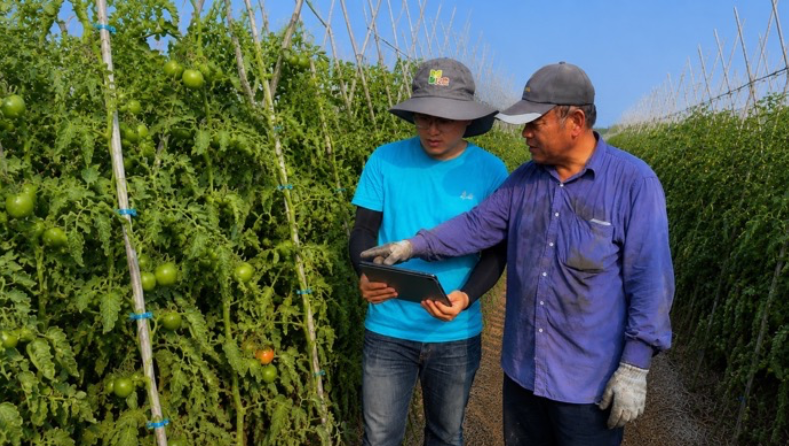
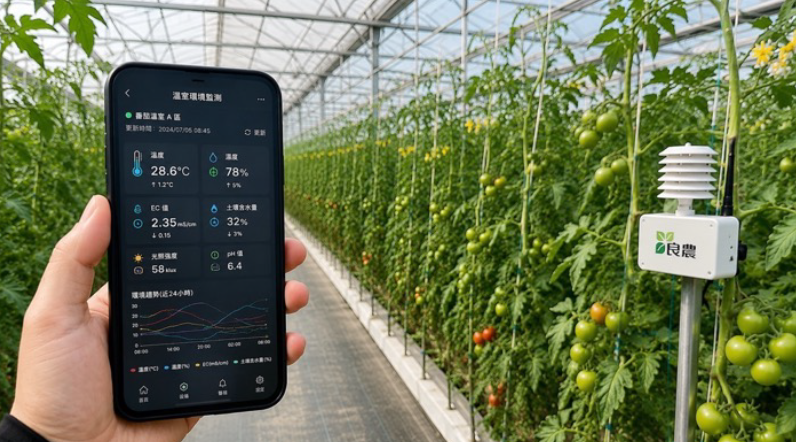
Agro-Green believes that the core of smart agriculture is not to replace farmers, but totransform experience into an accumulative, analyzable, and replicable knowledge systemthrough technology. In recent years, technologies such as IoT sensors, environmentalmonitoring equipment, AI image recognition, big data analysis, and precision droneoperations have been gradually introduced into agricultural production sites, helping farmersto grasp field conditions in real time and improve management efficiency and decision-makingquality.
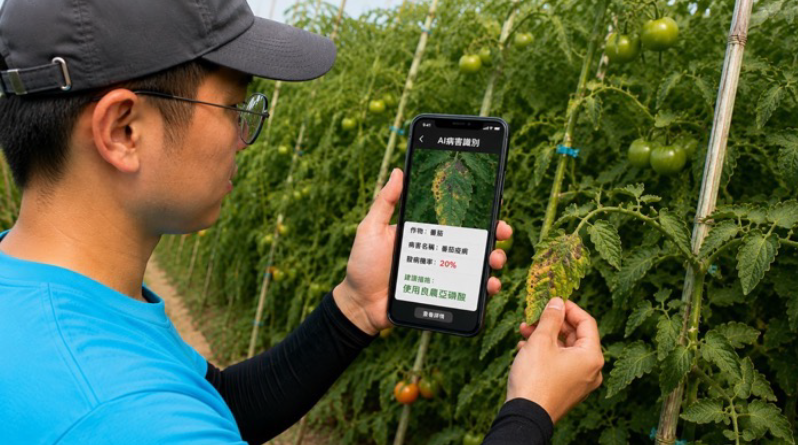
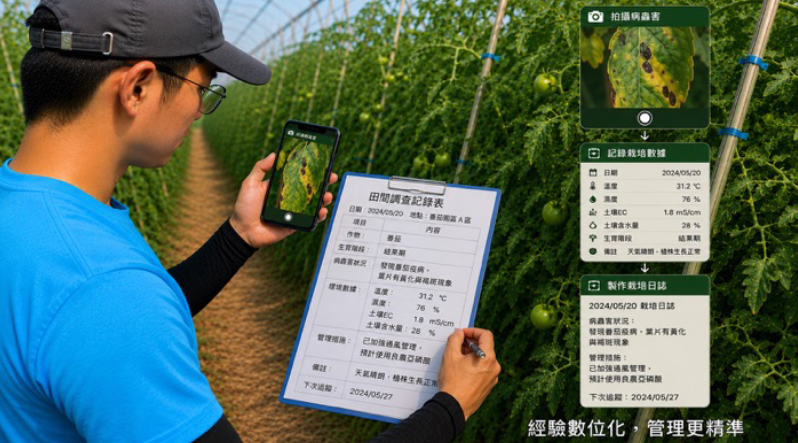
Agro-Green International Co Ltd will also participate in the Taiwan Smart Agriweek Exhibitionthis year, sharing its achievements in plant health management, smart monitoring, droneapplications, and sustainable cultivation. Agro-Green stated that the future of agriculture willbe an era of integration of experience and technology; only by integrating the wisdom ofexperts with data management capabilities can make Taiwan\'s agricultural competitivenessbe enhanced to meet the future challenges.
Other News
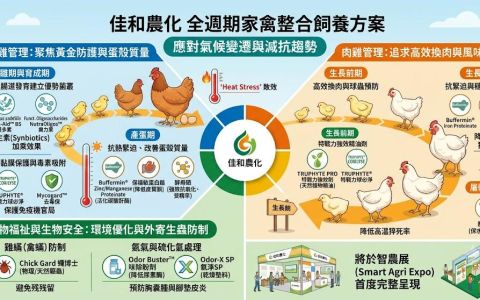
As global climate change intensifies, "heat stress" triggered by high summer temperatures has become a core challenge for the poultry farming industry. Meanwhile, under the dual trends of animal-friendly farming and antibiotic reduction, improving poultry immunity and gut health through precision nutrition has become key to maintaining production efficiency. In response, Jiahe Agrochemical Co., Ltd. (hereafter referred to as Jiahe Agrochemical) has proposed a full-cycle integrated feeding management solution tailored to the distinct physiological needs of layers and broilers, covering the "brooding period, mid-laying/growing stage, and environmental management.
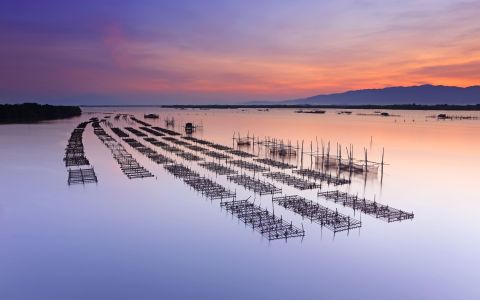
By 2026, the Asia-Pacific region will have reached a historical tipping point in food security. Faced with climate volatility and supply chain disruptions, regional powers are shifting from traditional farming to high-capital, high-tech intensive aquaculture.
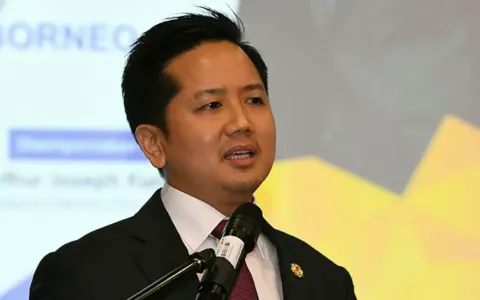
Datuk Seri Arthur Joseph Kurup says sustainable soil management is key to tackling urbanisation and climate threats, with RM120 million allocated for soil restoration.
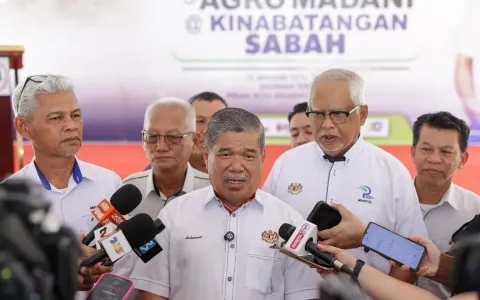
Malaysia aims to boost its ruminant livestock self-sufficiency rate from 20% to 50% by 2030 through new agri-food programmes and modern farming projects.
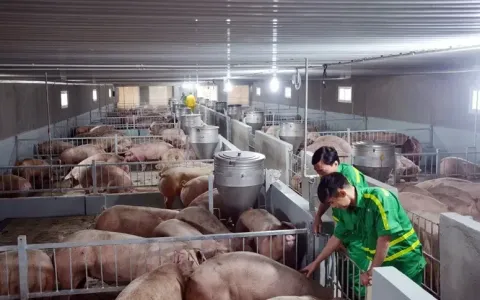
Vietnam's livestock industry is facing significant fluctuations in the first quarter of 2025. Pork prices have risen unusually high, contrary to the trend of previous years. While the livestock population remains relatively stable, poultry and egg prices have fallen sharply.
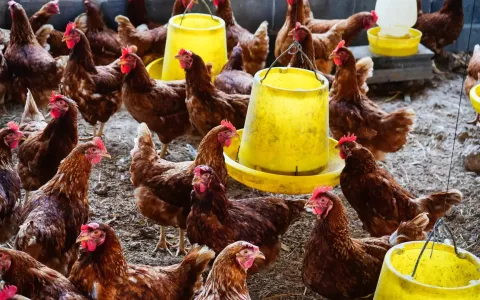
Vietnam’s livestock sector is accelerating restructuring, reducing production costs, and developing a fully integrated supply chain.
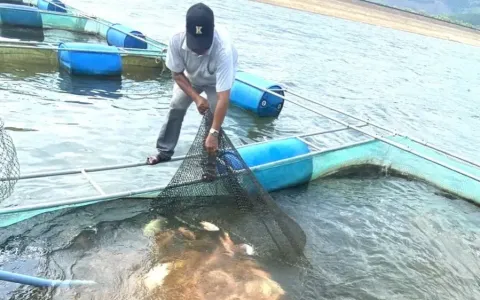
(GLO) - In the context of the fisheries sector's push for green transformation, agricultural extension work is not limited to technology transfer but also plays a role in connecting value chains and guiding sustainable production from the grassroots level.
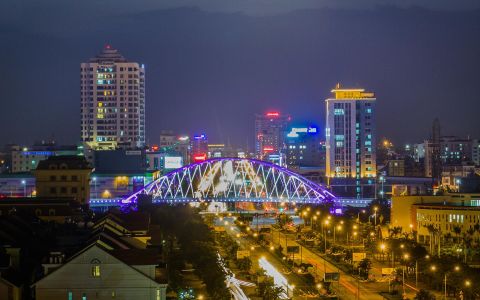
These projects focus on high-tech aquaculture, vegetable and flower cultivation, livestock farming, and slaughter operations.
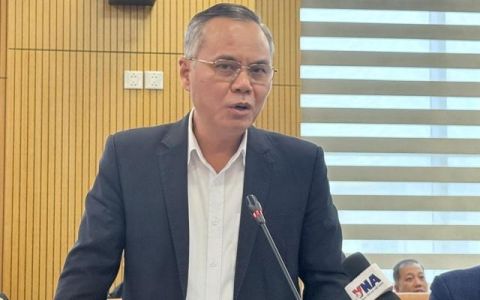
As Việt Nam’s livestock sector faces the need to renew its growth model, enhance added value and fulfil its sustainable development commitments, Deputy Director of the Department of Livestock Production and Animal Health Phạm Kim Đăng spoke to Việt Nam News reporter Trần Như about the sector’s key orientations and solutions for 2026.