



5 Key Agricultural Trends and Technologies To Keep an Eye on in 2026
As climate change has made both seasons and weather increasingly unpredictable, farmers and businesses have found it harder to manage their land to keep up with demand. To survive, they have turned to adopting smart farming technologies to increase productivity, save resources, and meet the evolving demands of consumers for responsible food production. From small farms to large agribusinesses, the growing needs and demands of consumers mean that farming innovation never stops which drives the adoption of new technologies to fit with the current challenges in the agriculture community.
So, what are the latest trends and new technologies in the agriculture sector in 2026?
-
AI-powered Smart Farming Technologies
While AI had been introduced to agriculture in the mid-2010s, it was in the aftermath of COVID in the 2020s that AI-based farm tools started to be widely adopted by farmers and business owners for practical use in cultivating and harvesting agricultural products, allowing farmers to take precautions and better understand the needs of their land, including when to irrigate, fertilise, and spray.
As AI has grown in popularity and shown positive results in the agricultural sector, it is now widely adopted by farmers. The main AI technologies used in agriculture include data support platforms, grading systems and smart farm monitoring and welfare systems.
- Data support platforms analyze crops and soil over large areas using satellite imagery, providing better insights into fields and crops.
- Grading and Storing Systems utilize AI cameras to detect and sort vegetables, fruits, and crops by size and colour, and to detect diseases.
- Livestock Monitoring & Welfare Systems equipped with motion cameras, microphones, and sensors, can read behaviours and detect early signs of disease, stress, and other abnormal behaviour.
Notable Taiwanese innovators : DataYoo, iChase, AgriTalk Technology Inc.

2. IoT-based Farming Systems
While sensors and automation have been used in agriculture for decades, the term “Internet of Things” became popular in the mid-2010s, when IoT-based farming solutions such as smart irrigation systems, on-farm weather stations, and tracking tags were introduced.
Although IoT might not be as popular as AI farming technologies in the 2020s, demand has been growing steadily as farmers seek real-time data to cope with labour shortages and unpredictable weather—especially in greenhouses, where constant monitoring and control are essential to keep crops healthy. IoT smart farming systems continue to grow steadily, with farmers investing in smart irrigation, farm weather stations, greenhouse monitoring systems, and more. Rather than being replaced by AI, IoT remains one of the foundational layers in the smart agriculture industry and is projected to grow steadily by 2030, making it a key trend in 2026.
Notable Taiwanese innovators : AgriGaia
-
Robotics/Autonomous Farm Equipment
Autonomous farm equipment began gaining popularity in the early 2010s, when John Deere and Kubota introduced autonomous guidance on tractors and GPS systems for farmers and large corporations with large-scale farms. Adoption accelerated post-COVID due to manpower shortages, as companies adjusted their products to fit smaller-scale farms and plantations, such as greenhouse robots and robot fleets for weeding.
Driven by labour shortages, ageing farmers, and pressure to increase productivity in both small and large-scale farms, the global autonomous farm equipment market is projected to reach around USD 24 billion by 2026 and expand rapidly by 2030.
-
Biostimulants, Biocontrol & Regenerative Tech
Agriculture has been moving toward sustainability, and the growing demand for cleaner and more sustainable production, along with soil degradation, fertilizer use, stricter regulations, and rising resistance problems, is pushing for alternative tools to protect yield without additional chemicals. At the same time, climate change is causing soil degradation, making planting seeds more challenging.
This makes biostimulants, biocontrol, and regenerative tech more attractive than before, as they utilize living organisms and natural compounds to control pests and diseases, improve soil conditions, enhance nutrient uptake, increase drought tolerance and soil health, making biostimulants, biocontrol and regenerative tech move from niche innovations to mainstream growth tools for agriculture in 2026 and beyond.

5. Vertical Farming & Controlled-Environment Farm
Commercialized in the late 2000s as Japan promoted plant factories to secure food supply after the Tohoku earthquake, vertical farming first gained traction in land-scarce and import-dependent countries as a way to provide premium, locally grown, pesticide-free food.
The COVID-19 pandemic then pushed it into the agtech mainstream, as lockdowns and stricter border controls made governments, retailers and investors focus on food security and local production. By offering weather-independent, stable year-round output close to consumption centers, vertical farming and CEA received a strong post-COVID boost and are expected to maintain steady growth through 2026 and beyond.
Notable Taiwanese innovators : ChooseStop Technology Industry
As agriculture continues to evolve under the pressure of climate change, labour shortages and rising sustainability demands, innovations in agriculture will continue to develop and improve, reshaping global food security. By adopting smarter and more sustainable technologies, farmers and businesses can build long-term food production systems and protect the environment.
These growing needs are what Taiwan Smart Agriweek aims to address by gathering agricultural tech providers and innovators who are shaping the future of agriculture through innovative trends and solutions. Held from September 8–10, 2026 at TaiNEX 1 in Taipei, the show spans the full farm-to-table cycle, spotlighting the latest trends in the agriculture industry and serving as a platform for knowledge exchange, meaningful connections and one-stop sourcing.
-
Learn more about the show
Click the button below to explore what you’ll experience and see an overview of the upcoming event!
-
Register to Visit/Exhibit
Ready to un-pack the latest trends or hop into knowledge-packed forums? Click the register today button to grab your free visitor pass!
Other News
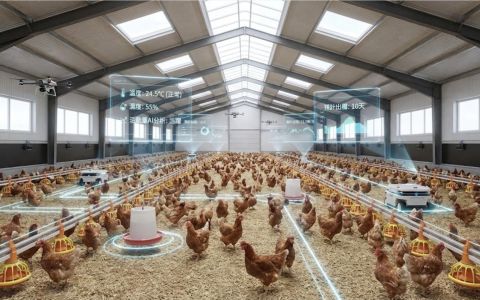
This report is based on the 2024 Taiwan Poultry Statistical Manual, published by the Veterinary and Livestock Development Foundation. The following is a quick summary highlighting the key data and development trends of Taiwan's poultry industry in 2024:
Taiwan's ready-to-eat agricultural and fishery products and functional foods market is undergoing rapid transformation and growth, primarily driven by modern consumers' high demand for convenience, health, and sustainability. In terms of supply chain, government and private enterprises are heavily investing in automated processing technologies and nationwide cold chain logistics systems to address labor shortages, enhance food safety and quality, and strengthen export competitiveness.

Aquaculture has become a cornerstone of Taiwan's fisheries sector. As of 2023, the industry's production value reached approximately NT$40.2 billion, accounting for nearly 41% of the country's total fisheries output.
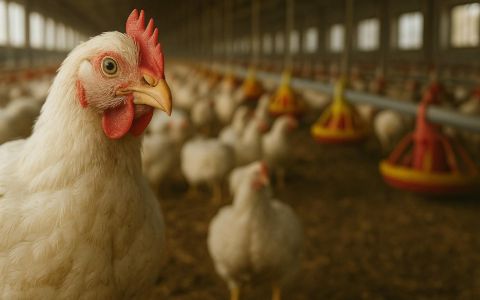
Taiwan's poultry industry represents a substantial market opportunity for international equipment manufacturers and technology providers.
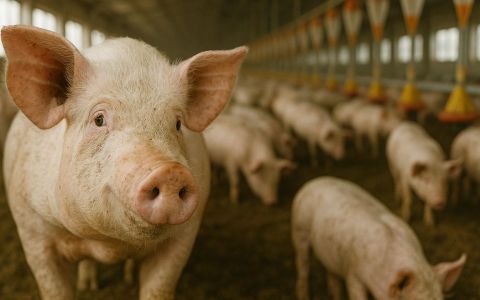
Taiwan's livestock production value reaches approximately NT$185.8 billion annually (2021 data), accounting for about 34.6% of the total agricultural output value
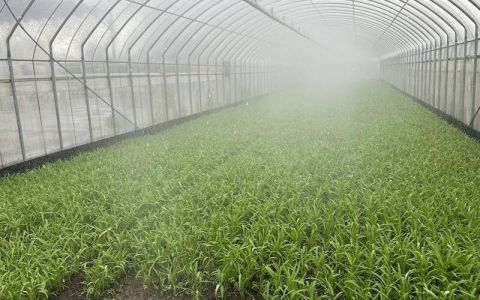
Smart irrigation and scheduling tech improve greenhouse farming efficiency in Taiwan, reducing labor needs and increasing productivity.

Taiwan’s agriculture plays a pivotal role in national food security, economic development, and global trade. Despite limited arable land, climate challenges, and an aging rural workforce, Taiwan has developed a highly efficient and technologically advanced agricultural system. Today, the sector is undergoing a digital and sustainable transformation through smart farming, automation, and eco-friendly practices—aimed at boosting productivity, reducing labor reliance, and improving resilience.
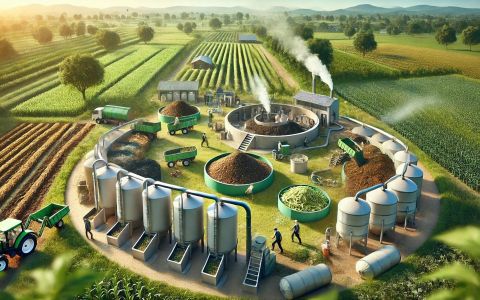
Discover how cutting-edge carbon reduction strategies and circular technologies are transforming agriculture, with inspiring examples from Taiwan and Japan leading the way to a greener, more sustainable future.
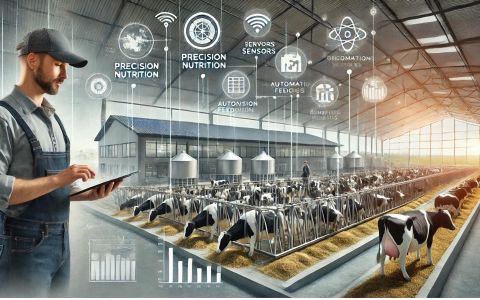
Integrating smart technologies such as sensors, IoT, and AI into agriculture and livestock sectors enables precise nutritional management, enhancing production efficiency, reducing waste, and promoting environmental sustainability.
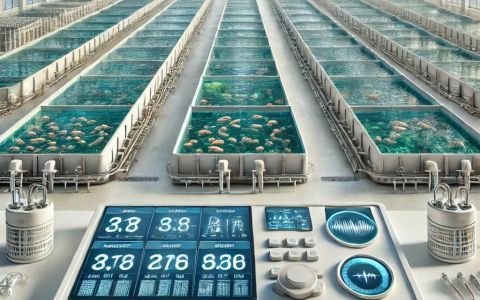
This innovative approach combines solar photovoltaic power generation with smart aquaculture technologies, enhancing land use efficiency, stabilizing water quality, and improving farming environments to boost productivity and sustainability in the aquaculture industry.