



How Taiwan Swine Industry Became a Global Benchmark for Resilience After ASF Breakout in 2025
Taiwan might have achieved what might be a historic milestone in Asia swine farming; the successful containment of African Swine Fever (ASF) while moving toward becoming “Triple-Disease Free” (ASF, FMD, and CSF).
Following the 3-month containment period with no new ASF case, the Ministry of Agriculture has submitted an application to the World Organization for Animal Health to restore Taiwan’s ASF-free status on February 21, 2026. This highlights Taiwan’s strict biosecurity measures to ensure food security through proactive government policies and strategic farm-modernization incentives.
With the ASF-free submission, Taiwan continues to tighten its border and introduced new measurements to ensure limited ASF breakout. From new implemented protocols to new government subsidies, the small island at the waters off the southeast coast of China continues to impress other countries with its swift reaction to current livestock challenges.
Preventative & Transition Pre ASF Outbreak
Taiwan is currently focusing on preventive measures to keep it’s ASF free status. Beyond border control, the government is implementing several structural changes to ensure the 2025 Taichung outbreak remains an isolated event; some as below :
1. Clean Feed Transition
Starting from early 2026, food-waste has been banned to be fed to pigs following the first case started. This transition opens the opportunity for innovative pig feed and alternative protein. With strict oversight on farms using business food waste are required to use GPS-tracked transport and video-monitored heat treatment system, this full nationwide ban is scheduled to take measures in December 31, 2026 with full ban in 2027.
2. Nationwide Biosecurity Audits & Monitoring
In support of the re-application to WOAH, the Ministry of Agriculture has expanded its field-level inspections. This include deploying additional early warning & monitoring systems nationwide, to biosecurity audits on nationwide pig farm to ensure swine farm housing meets the international standards.
3. Government Subsidies for Modernization
The government is providing subsidies for the in the phased ban on food-waste feeding, which will be fully implemented by 2027 with 1-year transition. The subsidies include :
- NT$3,600 per head for early adopters switching to commercial grain feed.
- NT$1,800 per head for those transitioning throughout 2026.
- Up to NT$3 Million per farm in modernization grants for closed-loop housing.
Traditional Transition to Modern Technologies and Trends
With the current transition of waste feeding, AgriLivestock & Feed Taiwan, held from September 8-10 2026, brings together feed innovators and livestock waste technology providers making this resilience possible from;
- Autonomous Bisosecurity : From AI-powered camera and health sensors that detect early signs of respiratory distress and heat at livestock farms 24/7
- Labor-Saving Automation : Solving the labor shortage crisis through robotic feeding and smart environmental controls, reducing manual labor by 40%
- Net-Zero Focus: Converting livestock waste into biogas energy increasing revenue streams.
This provides an onsite experience for attendees to explore Taiwan’s turnkey technologies and innovations in the swine industry while connecting with industry experts.
References :
- Government to phase out feeding food waste to pigs
- Ministry reapplies for ASF-free status after outbreak - Taipei Times
- Taiwan: ASF Triggers Ban of Food Waste in Hog Feed | USDA Foreign Agricultural Service
- Prevent African Swine Fever! Taichung Customs Urges the Public Not to Bring or Send Pork Products to Taiwan-Ministry of Finance, R.O.C
Other News
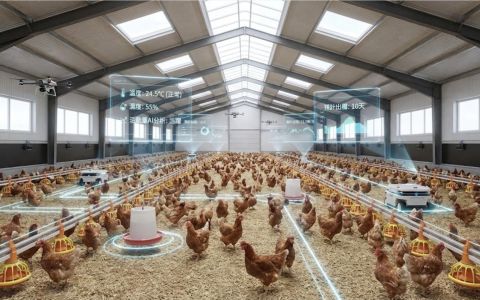
This report is based on the 2024 Taiwan Poultry Statistical Manual, published by the Veterinary and Livestock Development Foundation. The following is a quick summary highlighting the key data and development trends of Taiwan's poultry industry in 2024:
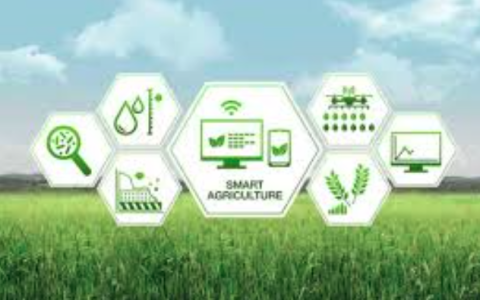
Climate change, labour shortages and rising sustainability demands are reshaping agriculture. Here are the key smart farming technologies and trends transforming the sector in 2026.

Taiwan's ready-to-eat agricultural and fishery products and functional foods market is undergoing rapid transformation and growth, primarily driven by modern consumers' high demand for convenience, health, and sustainability. In terms of supply chain, government and private enterprises are heavily investing in automated processing technologies and nationwide cold chain logistics systems to address labor shortages, enhance food safety and quality, and strengthen export competitiveness.

Aquaculture has become a cornerstone of Taiwan's fisheries sector. As of 2023, the industry's production value reached approximately NT$40.2 billion, accounting for nearly 41% of the country's total fisheries output.
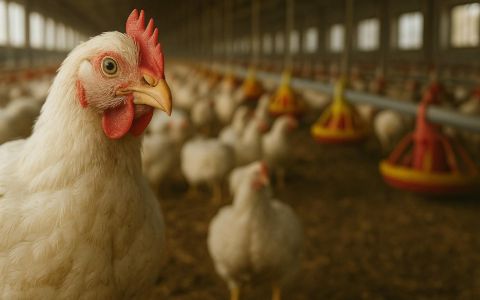
Taiwan's poultry industry represents a substantial market opportunity for international equipment manufacturers and technology providers.
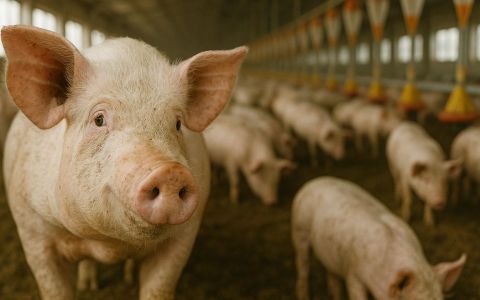
Taiwan's livestock production value reaches approximately NT$185.8 billion annually (2021 data), accounting for about 34.6% of the total agricultural output value
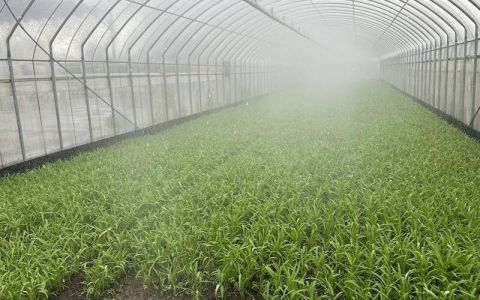
Smart irrigation and scheduling tech improve greenhouse farming efficiency in Taiwan, reducing labor needs and increasing productivity.

Taiwan’s agriculture plays a pivotal role in national food security, economic development, and global trade. Despite limited arable land, climate challenges, and an aging rural workforce, Taiwan has developed a highly efficient and technologically advanced agricultural system. Today, the sector is undergoing a digital and sustainable transformation through smart farming, automation, and eco-friendly practices—aimed at boosting productivity, reducing labor reliance, and improving resilience.
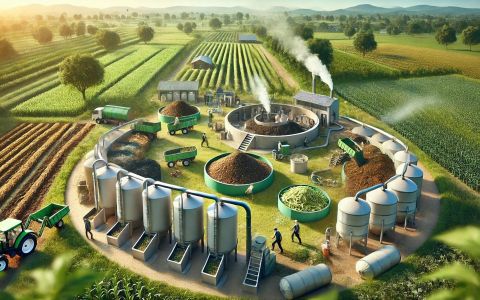
Discover how cutting-edge carbon reduction strategies and circular technologies are transforming agriculture, with inspiring examples from Taiwan and Japan leading the way to a greener, more sustainable future.
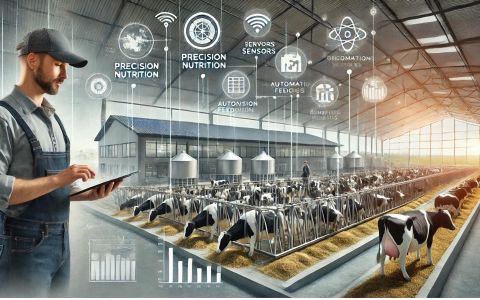
Integrating smart technologies such as sensors, IoT, and AI into agriculture and livestock sectors enables precise nutritional management, enhancing production efficiency, reducing waste, and promoting environmental sustainability.