



Green Onions: Promoting Sustainability Through Integrated Pest Management (IPM) in Taiwan
The Importance of Green Onions and Emerging Challenges
Green onions have long been a cornerstone of Taiwan\'s agricultural landscape, deeply embedded in the diets of consumers and the livelihoods of farmers. However, extreme weather patterns and the emergence of resistant pests pose significant challenges. These factors have led to an over-reliance on chemical pesticides, creating a vicious cycle where pesticide-resistant pests proliferate, compounding the problem.
Recognizing the need for sustainable pest management, the government has embraced Integrated Pest Management (IPM) as an alternative solution. IPM offers a balanced approach to pest control, prioritizing effectiveness while promoting environmental sustainability. This innovative solution addresses the critical challenges in green onion cultivation, paving the way for a more resilient agricultural future.
Implementing IPM
Well known for its challenging cultivation, green onions are highly vulnerable to pests and diseases year-round, making IPM implementation particularly difficult. Economic pressures and labor shortages often lead farmers to favor chemical pesticides for quick returns over IPM practices.
To address these challenges, the Hualien District Agricultural Research and Extension Station (HDARES) was established to guide local farmers in adopting IPM, covering farming practices, fertilization, and integrated control methods. However, transforming farmers’ practices and gaining their acceptance requires extensive field support and government assistance, highlighting the crucial role of administrative resources and programs in promoting and implementing IPM.
From Research to Implementation
In 2019, HDARES launched a pesticide reduction program to support Ministry of Agriculture policies, incorporating pest research to enhance program integration. Demonstration sites were established in Yilan, including Sanxing village and surrounding areas, with experts conducting 24 IPM workshops and demonstrations, reaching over 1,900 farmers over six years.
Within two years, HDARES expanded IPM methods through the Agricultural Technology Diffusion Program, promoting plant protection materials and techniques with support from the Agricultural Technology Research Institute, focusing on implementation in the Changhua region. This was further complemented by the Reserve Plant Doctor Program, which helped the Sanxing Farmers’ Association train plant doctors through a five-stage system. By integrating biological pesticides and IPM incentives, 64 on-site cases were verified, achieving a 98.4% approval rate across 22 hectares.
Tangible Benefits of IPM for Green Onion Farmers
Adopting IPM strategies has brought measurable benefits to green onion farmers, with methods encompassing healthy seedlings, biological controls, and cultivation management. Techniques such as pre-treating seedlings with diatomaceous earth and microbes have significantly improved plant health. Additionally, employing rational fertilization, pheromone traps, and alternatives like phosphorous acid and Bacillus thuringiensis has drastically reduced pesticide use by 10–90%.
The table below highlights key outcomes of IPM implementation:
| Aspect | Impact |
|
Pest Control Costs |
Reduced by 20% |
|
Yield Increase |
Increased by 10–25% |
|
Material Costs |
Reduced by 10.2% |
|
Labor and Transport Costs |
Increased by 14% |
|
Overall Variable Costs |
Increased by 5.95% |
|
Annual Yield per 0.1 ha |
Increased from 4,500 kg to 5,143 kg |
|
Net Income |
Increased by TWD 74,489 (+24.56%) |
|
Unit Variable Costs |
Reduced by 7.3% |
|
Break-even Prices |
Reduced by 7.72% |
These results demonstrate that IPM not only improves pest management efficiency but also enhances farmers’ economic resilience while mitigating environmental impacts.
The Path Forward: Driving IPM Adoption
The future of IPM in green onion farming lies in scaling up and leveraging technological innovations. Key areas of focus include:
-
Expanding Outreach: Extending IPM workshops and resources to more regions to ensure broader adoption.
-
Integrating Advanced Technologies: Tools like AI-powered pest detection, drone monitoring, and precision agriculture can streamline pest management processes.
-
Enhancing Education: Farmer training programs must address practical IPM implementation while showcasing its economic benefits.
-
Policy and Financial Support: Subsidies, grants, and incentives for adopting IPM tools and techniques will encourage greater participation.
Sustainability and Broader Impact of IPM
-
Environmental Benefits: Reduced reliance on chemical pesticides minimizes soil and water contamination, preserving biodiversity and promoting long-term ecosystem health.
-
Food Safety: IPM reduces pesticide residues, aligning with growing consumer demand for safer, healthier produce.
-
Economic Growth: Higher yields and reduced pest control costs enhance farmers’ net income, contributing to a more resilient agricultural economy.
Conclusion
With growing public concern over food safety, HDARES actively promotes IPM in green onion production areas, aligning with the Ministry of Agriculture\'s pesticide reduction policies. To optimize resource efficiency, HDARES collaborates with ATRI, local governments, farmers\' associations, and universities to train plant doctors and integrate resources, driving IPM adoption and dissemination.
Significant progress has been made, with 50% of fields now using pheromones and over 90% of surveyed farmers showing willingness to adopt IPM practices. HDARES remains committed to leveraging multi-party resources to advance IPM, supporting the sustainable development and economic growth of the green onion industry.
Related Exhibitors
Other News
Taiwan Smart Agriweek 2026 tackles the agricultural "Triple Threat" of climate, labor, and disease. Discover the smart technologies transforming these global challenges into resilient, profitable business opportunities.
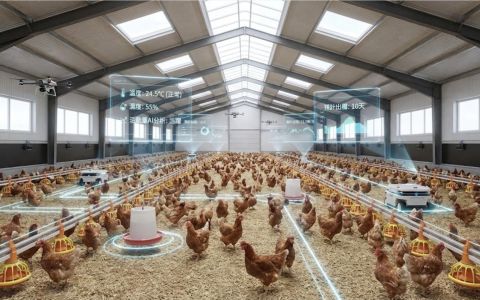
This report is based on the 2024 Taiwan Poultry Statistical Manual, published by the Veterinary and Livestock Development Foundation. The following is a quick summary highlighting the key data and development trends of Taiwan's poultry industry in 2024:
Climate change, labour shortages and rising sustainability demands are reshaping agriculture. Here are the key smart farming technologies and trends transforming the sector in 2026.

Taiwan's ready-to-eat agricultural and fishery products and functional foods market is undergoing rapid transformation and growth, primarily driven by modern consumers' high demand for convenience, health, and sustainability. In terms of supply chain, government and private enterprises are heavily investing in automated processing technologies and nationwide cold chain logistics systems to address labor shortages, enhance food safety and quality, and strengthen export competitiveness.

Aquaculture has become a cornerstone of Taiwan's fisheries sector. As of 2023, the industry's production value reached approximately NT$40.2 billion, accounting for nearly 41% of the country's total fisheries output.
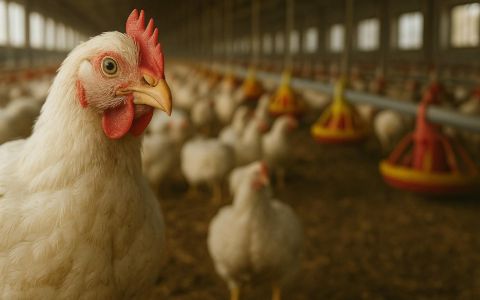
Taiwan's poultry industry represents a substantial market opportunity for international equipment manufacturers and technology providers.
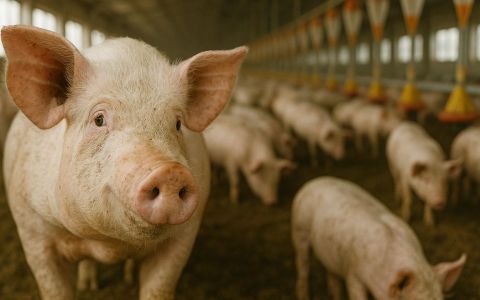
Taiwan's livestock production value reaches approximately NT$185.8 billion annually (2021 data), accounting for about 34.6% of the total agricultural output value
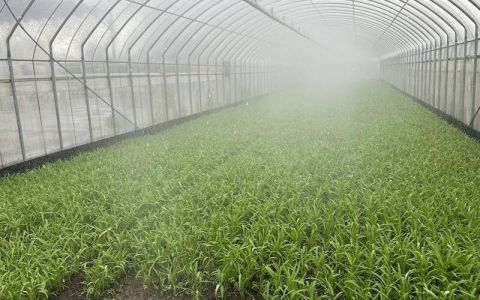
Smart irrigation and scheduling tech improve greenhouse farming efficiency in Taiwan, reducing labor needs and increasing productivity.

Taiwan’s agriculture plays a pivotal role in national food security, economic development, and global trade. Despite limited arable land, climate challenges, and an aging rural workforce, Taiwan has developed a highly efficient and technologically advanced agricultural system. Today, the sector is undergoing a digital and sustainable transformation through smart farming, automation, and eco-friendly practices—aimed at boosting productivity, reducing labor reliance, and improving resilience.
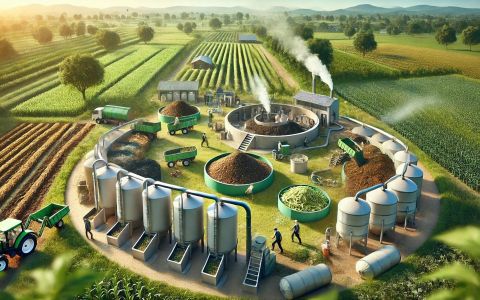
Discover how cutting-edge carbon reduction strategies and circular technologies are transforming agriculture, with inspiring examples from Taiwan and Japan leading the way to a greener, more sustainable future.