



Green Onions: Promoting Sustainability Through Integrated Pest Management (IPM) in Taiwan
The Importance of Green Onions and Emerging Challenges
Green onions have long been a cornerstone of Taiwan\'s agricultural landscape, deeply embedded in the diets of consumers and the livelihoods of farmers. However, extreme weather patterns and the emergence of resistant pests pose significant challenges. These factors have led to an over-reliance on chemical pesticides, creating a vicious cycle where pesticide-resistant pests proliferate, compounding the problem.
Recognizing the need for sustainable pest management, the government has embraced Integrated Pest Management (IPM) as an alternative solution. IPM offers a balanced approach to pest control, prioritizing effectiveness while promoting environmental sustainability. This innovative solution addresses the critical challenges in green onion cultivation, paving the way for a more resilient agricultural future.
Implementing IPM
Well known for its challenging cultivation, green onions are highly vulnerable to pests and diseases year-round, making IPM implementation particularly difficult. Economic pressures and labor shortages often lead farmers to favor chemical pesticides for quick returns over IPM practices.
To address these challenges, the Hualien District Agricultural Research and Extension Station (HDARES) was established to guide local farmers in adopting IPM, covering farming practices, fertilization, and integrated control methods. However, transforming farmers’ practices and gaining their acceptance requires extensive field support and government assistance, highlighting the crucial role of administrative resources and programs in promoting and implementing IPM.
From Research to Implementation
In 2019, HDARES launched a pesticide reduction program to support Ministry of Agriculture policies, incorporating pest research to enhance program integration. Demonstration sites were established in Yilan, including Sanxing village and surrounding areas, with experts conducting 24 IPM workshops and demonstrations, reaching over 1,900 farmers over six years.
Within two years, HDARES expanded IPM methods through the Agricultural Technology Diffusion Program, promoting plant protection materials and techniques with support from the Agricultural Technology Research Institute, focusing on implementation in the Changhua region. This was further complemented by the Reserve Plant Doctor Program, which helped the Sanxing Farmers’ Association train plant doctors through a five-stage system. By integrating biological pesticides and IPM incentives, 64 on-site cases were verified, achieving a 98.4% approval rate across 22 hectares.
Tangible Benefits of IPM for Green Onion Farmers
Adopting IPM strategies has brought measurable benefits to green onion farmers, with methods encompassing healthy seedlings, biological controls, and cultivation management. Techniques such as pre-treating seedlings with diatomaceous earth and microbes have significantly improved plant health. Additionally, employing rational fertilization, pheromone traps, and alternatives like phosphorous acid and Bacillus thuringiensis has drastically reduced pesticide use by 10–90%.
The table below highlights key outcomes of IPM implementation:
| Aspect | Impact |
|
Pest Control Costs |
Reduced by 20% |
|
Yield Increase |
Increased by 10–25% |
|
Material Costs |
Reduced by 10.2% |
|
Labor and Transport Costs |
Increased by 14% |
|
Overall Variable Costs |
Increased by 5.95% |
|
Annual Yield per 0.1 ha |
Increased from 4,500 kg to 5,143 kg |
|
Net Income |
Increased by TWD 74,489 (+24.56%) |
|
Unit Variable Costs |
Reduced by 7.3% |
|
Break-even Prices |
Reduced by 7.72% |
These results demonstrate that IPM not only improves pest management efficiency but also enhances farmers’ economic resilience while mitigating environmental impacts.
The Path Forward: Driving IPM Adoption
The future of IPM in green onion farming lies in scaling up and leveraging technological innovations. Key areas of focus include:
-
Expanding Outreach: Extending IPM workshops and resources to more regions to ensure broader adoption.
-
Integrating Advanced Technologies: Tools like AI-powered pest detection, drone monitoring, and precision agriculture can streamline pest management processes.
-
Enhancing Education: Farmer training programs must address practical IPM implementation while showcasing its economic benefits.
-
Policy and Financial Support: Subsidies, grants, and incentives for adopting IPM tools and techniques will encourage greater participation.
Sustainability and Broader Impact of IPM
-
Environmental Benefits: Reduced reliance on chemical pesticides minimizes soil and water contamination, preserving biodiversity and promoting long-term ecosystem health.
-
Food Safety: IPM reduces pesticide residues, aligning with growing consumer demand for safer, healthier produce.
-
Economic Growth: Higher yields and reduced pest control costs enhance farmers’ net income, contributing to a more resilient agricultural economy.
Conclusion
With growing public concern over food safety, HDARES actively promotes IPM in green onion production areas, aligning with the Ministry of Agriculture\'s pesticide reduction policies. To optimize resource efficiency, HDARES collaborates with ATRI, local governments, farmers\' associations, and universities to train plant doctors and integrate resources, driving IPM adoption and dissemination.
Significant progress has been made, with 50% of fields now using pheromones and over 90% of surveyed farmers showing willingness to adopt IPM practices. HDARES remains committed to leveraging multi-party resources to advance IPM, supporting the sustainable development and economic growth of the green onion industry.
Related Exhibitors
Other News
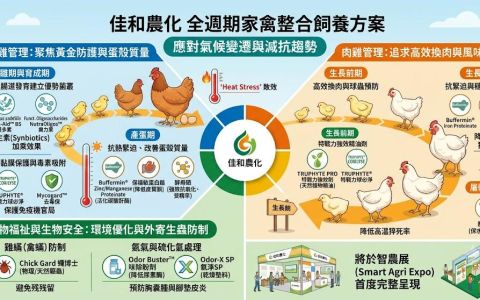
As global climate change intensifies, "heat stress" triggered by high summer temperatures has become a core challenge for the poultry farming industry. Meanwhile, under the dual trends of animal-friendly farming and antibiotic reduction, improving poultry immunity and gut health through precision nutrition has become key to maintaining production efficiency. In response, Jiahe Agrochemical Co., Ltd. (hereafter referred to as Jiahe Agrochemical) has proposed a full-cycle integrated feeding management solution tailored to the distinct physiological needs of layers and broilers, covering the "brooding period, mid-laying/growing stage, and environmental management.
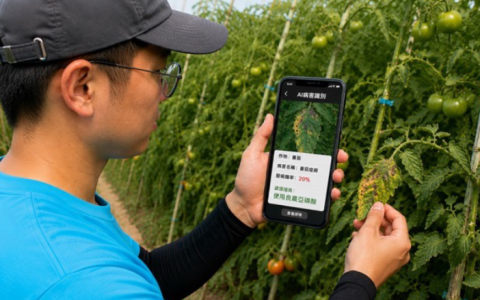
With Taiwan's agriculture facing multiple challenges such as an aging population, laborshortages, and climate change, how to effectively pass on the years of field experience accumulated by veteran farmers and combine it with emerging technologies to improve management efficiency has become an important issue for agricultural development. Agro-Green International Co Ltd stated that the future of agriculture not only requires experience,but also data analysis and smart technology to assist decision-making, creating a new generation of management models that combine inheritance and innovation.
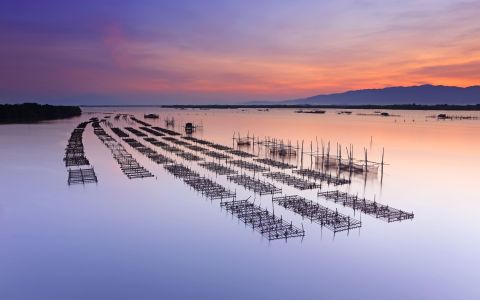
By 2026, the Asia-Pacific region will have reached a historical tipping point in food security. Faced with climate volatility and supply chain disruptions, regional powers are shifting from traditional farming to high-capital, high-tech intensive aquaculture.
Datuk Seri Arthur Joseph Kurup says sustainable soil management is key to tackling urbanisation and climate threats, with RM120 million allocated for soil restoration.
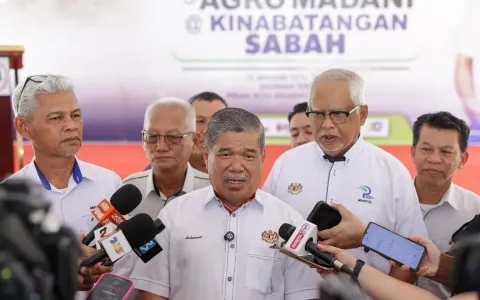
Malaysia aims to boost its ruminant livestock self-sufficiency rate from 20% to 50% by 2030 through new agri-food programmes and modern farming projects.
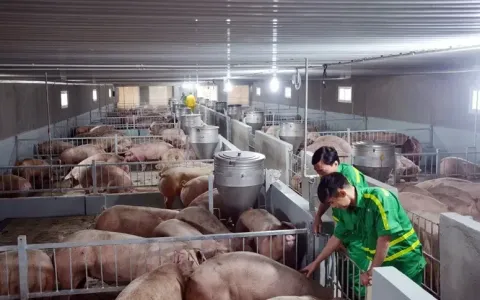
Vietnam's livestock industry is facing significant fluctuations in the first quarter of 2025. Pork prices have risen unusually high, contrary to the trend of previous years. While the livestock population remains relatively stable, poultry and egg prices have fallen sharply.
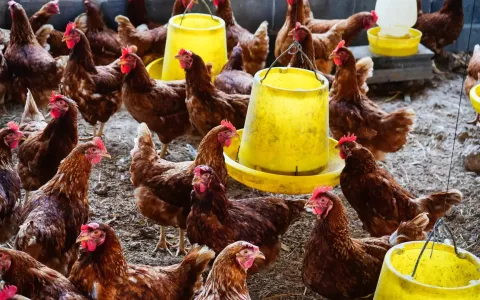
Vietnam’s livestock sector is accelerating restructuring, reducing production costs, and developing a fully integrated supply chain.
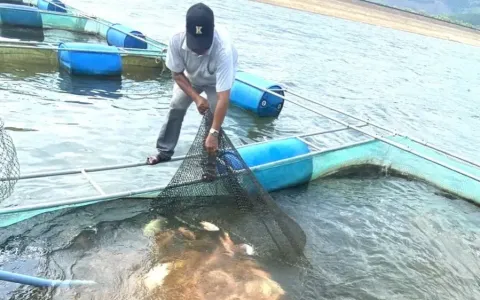
(GLO) - In the context of the fisheries sector's push for green transformation, agricultural extension work is not limited to technology transfer but also plays a role in connecting value chains and guiding sustainable production from the grassroots level.
These projects focus on high-tech aquaculture, vegetable and flower cultivation, livestock farming, and slaughter operations.