



Enhancing Livestock Production with Bacillus and Ammonia-Oxidizing Bacteria
1. Introduction
Scientists estimate trillions of microbial species exist, however over 99.999% of it can't be grown in labs. Although microbes are vital for ecological balance, driving carbon, nitrogen, and sulfur cycles, some can cause an outbreak and impact health when are not fully understood. Bacteria, a type of microbe, come in various shapes and have unique roles in nature. For centuries, humans have used bacteria in fermentation to create foods and drinks. Today, they’re widely used in biotechnology to produce substances like insulin, organic acids, and MSG. They also help reduce pollution and improve livestock health through probiotics and prebiotics.
2. Selection and Application of Bacillus in Livestock Production
Bacillus is a Gram-positive spore-forming bacterium widely found in natural environments. It is resistant to extreme conditions like high temperatures, pressure, low water activity, and radiation, making it highly valuable for various applications. In agriculture, Bacillus serves as a biofertilizer and biopesticide in the agriculture sector, it is used as a probiotic feed additive in the livestock sector.
(a) Strain Selection and Identification of Bacillus
Strain selection prioritizes enzyme activity and heat tolerance during feed pelleting. Specific strains are isolated using selective media under high-temperature conditions, purified, and identified through techniques like Gram staining, biochemical reactions, and molecular taxonomy (e.g., 16S rRNA sequencing). With advancement in biotechnology have led to the discovery of previously unrecognized Bacillus species. Government regulations list seven Bacillus species as permissible feed additives, including Bacillus subtilis, Bacillus licheniformis, and Bacillus amyloliquefaciens.
(b) Characteristic Analysis
Key evaluation indicators for probiotics include extracellular enzyme activity, acid and bile tolerance, cytotoxicity, and adhesion capability. For example, certain Bacillus strains demonstrate high enzymatic activity, good acid and bile tolerance, and no urease activity or cytotoxicity, making them effective probiotics.
(c) Animal Trials
Animal trials are critical for verifying strain safety and efficiency. For instance, adding Bacillus TLRI 211-1 to broiler diets significantly improved weight gain and feed efficiency while reducing ammonia emissions in litter by over 40%. Similarly, in goat diets, it enhanced protein digestibility and reduced fecal ammonia concentrations. In laying hens, the probiotic improved feed conversion and egg quality while lowering hydrogen sulfide emissions.
(d) Technology Transfer
Technologies like “High-Enzyme Potential Probiotic Production” have undergone multiple industry transfers, with some products commercially available for livestock producers.
3. Selection and Application of Ammonia-Oxidizing Bacteria (AOB)
Ammonia-Oxidizing Bacteria (AOB) play a key role in the nitrogen cycle by oxidizing ammonia to nitrite. In livestock farming, ammonia emissions contribute to odor problems, negatively affecting public perception. Utilizing AOB to convert ammonia can help mitigate these issues.
(a) Strain Selection and Identification of AOB
AOB strains are isolated from soil or activated sludge using selective media. Self-nurturing AOB typically grow slower than heterotrophic ones, requiring prolonged cultivation. Molecular identification techniques, like 16S rRNA gene sequencing, are used to identify strains such as Acinetobacter sp. and Pseudomonas bauzanensis.
(b) Field Applications
• Spraying Method: Regularly spraying AOB cultures on broiler litter reduced ammonia levels by 75.47% during the later rearing stages.
• Mixing Method: Incorporating AOB-treated peat into broiler litter reduced ammonia concentrations during rearing.
• Biowashing Method: Adding AOB to water curtain systems in livestock houses improved ammonia removal efficiency from air exhaust.
4. Conclusion
Achieving “net-zero emissions” is a global priority for sustainable development. Livestock production strategies focus on improving productivity through low-carbon methods, such as incorporating probiotics into feed. Additionally, optimizing farming environments by reducing pollution aligns with the industry's ESG commitments.
Source : 廖仁寶、李宗育、施柏齡、范耕榛、蘇天明、程梅萍,〈芽孢桿菌與氨氧化菌在畜牧生產的應用〉,《農政與農情》,386期(113年8月),頁86-90
Other News
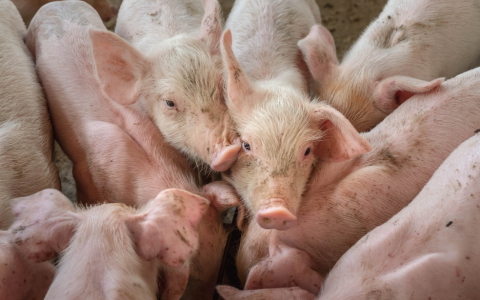
Taiwan Smart Agriweek 2026 tackles the agricultural "Triple Threat" of climate, labor, and disease. Discover the smart technologies transforming these global challenges into resilient, profitable business opportunities.
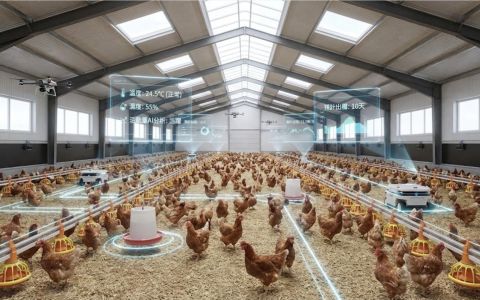
This report is based on the 2024 Taiwan Poultry Statistical Manual, published by the Veterinary and Livestock Development Foundation. The following is a quick summary highlighting the key data and development trends of Taiwan's poultry industry in 2024:
Climate change, labour shortages and rising sustainability demands are reshaping agriculture. Here are the key smart farming technologies and trends transforming the sector in 2026.
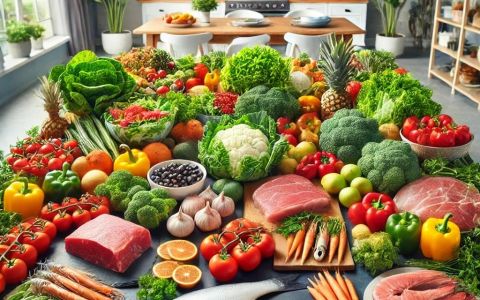
Taiwan's ready-to-eat agricultural and fishery products and functional foods market is undergoing rapid transformation and growth, primarily driven by modern consumers' high demand for convenience, health, and sustainability. In terms of supply chain, government and private enterprises are heavily investing in automated processing technologies and nationwide cold chain logistics systems to address labor shortages, enhance food safety and quality, and strengthen export competitiveness.

Aquaculture has become a cornerstone of Taiwan's fisheries sector. As of 2023, the industry's production value reached approximately NT$40.2 billion, accounting for nearly 41% of the country's total fisheries output.
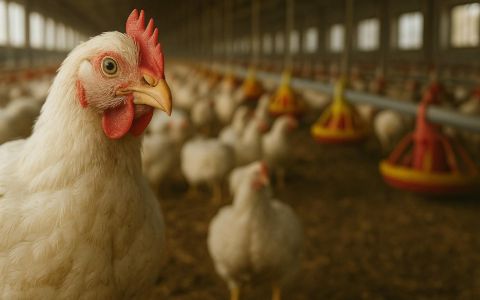
Taiwan's poultry industry represents a substantial market opportunity for international equipment manufacturers and technology providers.
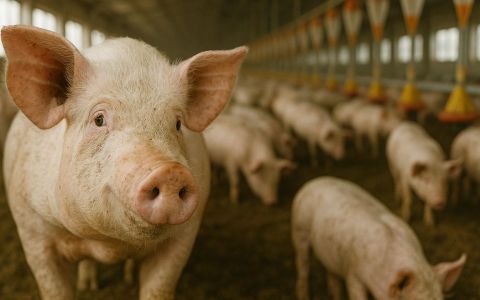
Taiwan's livestock production value reaches approximately NT$185.8 billion annually (2021 data), accounting for about 34.6% of the total agricultural output value
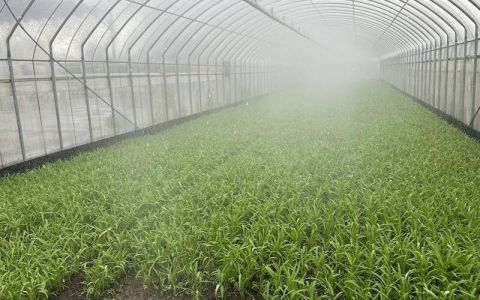
Smart irrigation and scheduling tech improve greenhouse farming efficiency in Taiwan, reducing labor needs and increasing productivity.

Taiwan’s agriculture plays a pivotal role in national food security, economic development, and global trade. Despite limited arable land, climate challenges, and an aging rural workforce, Taiwan has developed a highly efficient and technologically advanced agricultural system. Today, the sector is undergoing a digital and sustainable transformation through smart farming, automation, and eco-friendly practices—aimed at boosting productivity, reducing labor reliance, and improving resilience.
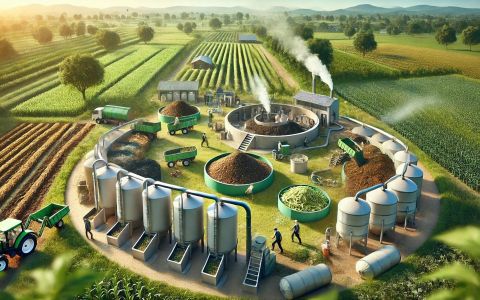
Discover how cutting-edge carbon reduction strategies and circular technologies are transforming agriculture, with inspiring examples from Taiwan and Japan leading the way to a greener, more sustainable future.