



Transforming Livestock Manure into Black Gold for a Sustainable Future
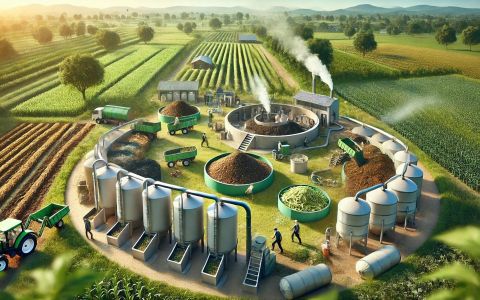
Taiwan's livestock industry is essential for providing high-quality meat and protein. But as the industry has grown, so have the challenges of managing livestock waste. By adopting innovative recycling methods, Taiwan is turning this waste into valuable resources such as liquid fertilizer, green energy, and biomass, setting an example in circular economy practices.
A Historical Perspective
In the past, livestock farming in rural areas was a small-scale family activity. Farmers typically kept a few pigs or chickens, turning agricultural by-products into meat and eggs. The manure from these animals was used as fertilizer, enriching the soil and supporting crop growth.
In 1954, Taiwan Sugar Corporation began large-scale pig farming, using manure as fertilizer for sugarcane fields. However, by the 1970s, industrial-scale livestock farming had grown so much that the waste produced exceeded the environment’s capacity to handle it. Untreated livestock wastewater became a major source of pollution, leading to public complaints.
To address this, the Livestock Research Institute developed a three-stage wastewater treatment system in the 1980s. While the system was effective, it required significant resources, and the nutrient-rich treated water often went unused.
Promoting the Reuse of Manure Wastewater
To make better use of livestock wastewater, the Council of Agriculture conducted reuse experiments in 2009 and 2010. The results showed that treated wastewater could be safely applied to crops without causing odors, spreading diseases, or polluting groundwater. Crop yields were just as good as those achieved with chemical fertilizers. However, despite these positive outcomes, complicated regulations and tedious application processes made it difficult to adopt these practices on a larger scale.
Collaborative Efforts
Since 2011, the Council of Agriculture has been actively promoting the reuse of livestock manure wastewater for agricultural purposes on a case-by-case basis. In 2015, the Environmental Protection Administration (EPA) introduced water pollution prevention fees for livestock farms, motivating them to adopt resource reuse practices. By the end of 2016, 32 reuse cases had been approved, benefiting crops like rice, green onions, and guavas, while also conserving significant amounts of irrigation water each year.
On December 27, 2017, the EPA made further amendments to the 'Regulations Governing Water Pollution Control Measures and Testing Reporting Management' by adding Article 46-1. This article provides clear guidelines for livestock farms raising pigs or cattle, requiring them to implement one of the following resource recycling measures:
- Reusing livestock manure wastewater for agricultural irrigation.
- Utilizing biogas slurry and residues as farmland fertilizers.
- Using treated wastewater that meets discharge standards for plant irrigation.
| Farm Type | Livestock | 5% Recycling Rate Deadline | 10% Recycling Rate Deadline |
| Medium and Large Scale Farms |
2,000 or more pigs 500 or more cattle |
December 27, 2022 | December 27, 2027 |
| Small Scale Farms |
20-2,000 pigs 40-500 cattle |
December 27, 2025 | December 27, 2029 |
Diverse Utilization of Livestock Wastewater
Livestock wastewater has uses beyond agricultural reuse—it can also be processed through anaerobic digestion to produce biogas, a renewable energy source rich in methane. This biogas can be utilized for power generation and heating, helping to reduce greenhouse gas emissions.
Since 2017, the Council of Agriculture has been actively promoting biogas utilization on pig farms, supporting the installation of biogas power systems. By the end of 2023, more than 53% of pig farms in Taiwan had adopted biogas systems, making a significant impact on carbon emission reductions and offering sustainable energy solutions.
In addition, the sludge produced during livestock wastewater treatment, which is rich in microorganisms and nutrients, has been repurposed as a valuable resource for industrial wastewater treatment. By providing this 'black gold' to industries such as petrochemicals and optoelectronics, livestock farms have created mutually beneficial partnerships that further contribute to sustainability and resource efficiency.
A Model for the Future
Taiwan's livestock industry is setting a new standard for circular economy practices through continuous innovation and resource recycling. It not only provides high-quality protein but also generates green energy, reduces greenhouse gas emissions, and delivers nutrient-rich solutions for agriculture and industry. By transforming livestock waste into valuable resources, the industry is driving sustainable development while enhancing the competitiveness of Taiwan's agricultural sector.
Other News
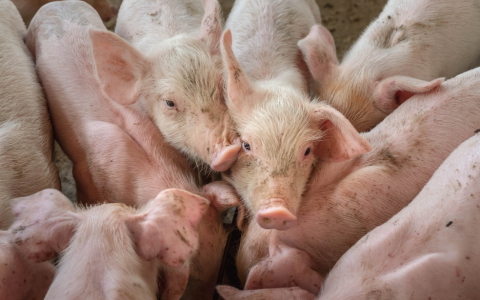
Taiwan Smart Agriweek 2026 tackles the agricultural "Triple Threat" of climate, labor, and disease. Discover the smart technologies transforming these global challenges into resilient, profitable business opportunities.
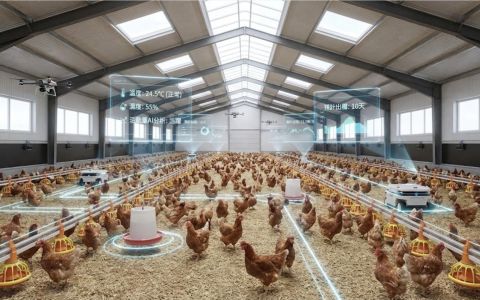
This report is based on the 2024 Taiwan Poultry Statistical Manual, published by the Veterinary and Livestock Development Foundation. The following is a quick summary highlighting the key data and development trends of Taiwan's poultry industry in 2024:
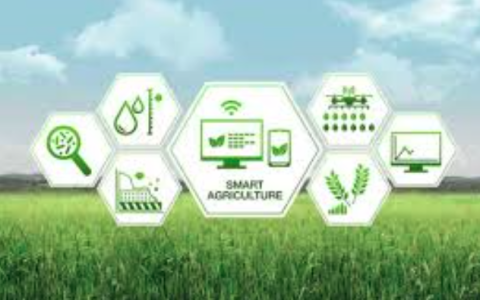
Climate change, labour shortages and rising sustainability demands are reshaping agriculture. Here are the key smart farming technologies and trends transforming the sector in 2026.
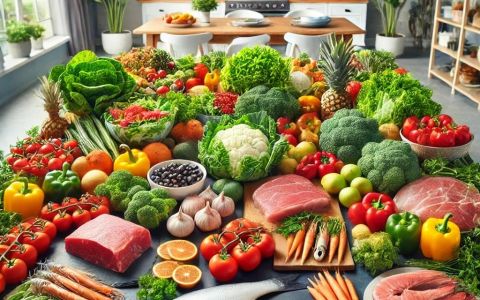
Taiwan's ready-to-eat agricultural and fishery products and functional foods market is undergoing rapid transformation and growth, primarily driven by modern consumers' high demand for convenience, health, and sustainability. In terms of supply chain, government and private enterprises are heavily investing in automated processing technologies and nationwide cold chain logistics systems to address labor shortages, enhance food safety and quality, and strengthen export competitiveness.

Aquaculture has become a cornerstone of Taiwan's fisheries sector. As of 2023, the industry's production value reached approximately NT$40.2 billion, accounting for nearly 41% of the country's total fisheries output.
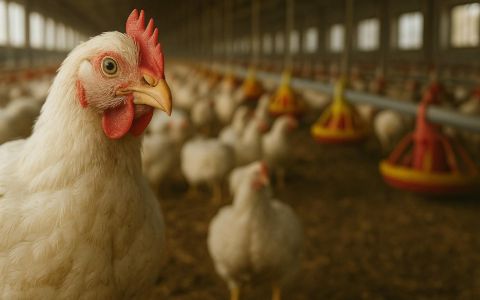
Taiwan's poultry industry represents a substantial market opportunity for international equipment manufacturers and technology providers.
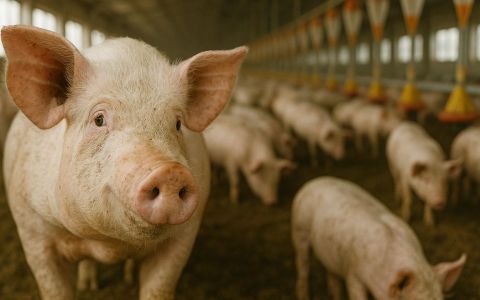
Taiwan's livestock production value reaches approximately NT$185.8 billion annually (2021 data), accounting for about 34.6% of the total agricultural output value
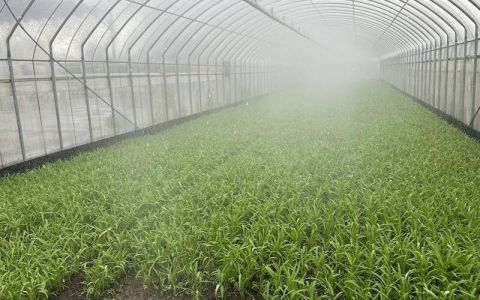
Smart irrigation and scheduling tech improve greenhouse farming efficiency in Taiwan, reducing labor needs and increasing productivity.

Taiwan’s agriculture plays a pivotal role in national food security, economic development, and global trade. Despite limited arable land, climate challenges, and an aging rural workforce, Taiwan has developed a highly efficient and technologically advanced agricultural system. Today, the sector is undergoing a digital and sustainable transformation through smart farming, automation, and eco-friendly practices—aimed at boosting productivity, reducing labor reliance, and improving resilience.
Discover how cutting-edge carbon reduction strategies and circular technologies are transforming agriculture, with inspiring examples from Taiwan and Japan leading the way to a greener, more sustainable future.