



Summary of Taiwan's Swine Market Statistics 2023
International Impact:
In 2023, declining global raw material prices alleviated feed cost pressures on the swine industry. The Taiwanese government continued to exempt certain feed materials from business tax and promoted the cultivation of dent corn to improve self-sufficiency and reduce farming risks.
Domestic Measures:
Efforts were focused on strengthening disease prevention, stabilizing production efficiency, innovating to enhance product value, and expanding international markets.
Domestic Pork Production and Consumption
- Production Data:
In 2023, Taiwan had 5,761 pig farms housing a total of 5.31 million pigs, averaging 940 pigs per farm. The annual hog slaughter reached 7.484 million, generating approximately NT$85.1 billion, accounting for 39.6% of total livestock production value.
- Consumption Trends:
In 2022, the average pork consumption per capita was 36 kilograms, with a self-sufficiency rate dropping to 88.5%.
Imports and Exports
- Imports:
Taiwan imported 95,385 metric tons of pork in 2023, primarily from Canada (41.3%), Spain (24.6%), and the United States (12.1%). European imports decreased by 40%, and Taiwan imported pork from Paraguay for the first time.
- Exports:
Taiwan exported 22 metric tons of fresh pork to the Philippines in 2023, marking a milestone in demonstrating Taiwan's pork competitiveness in the international market.
Disease Prevention and Industry Upgrades
- End of Classical Swine Fever Vaccination:
From 2023, vaccinations against classical swine fever were discontinued. If no cases occur by 2024, Taiwan plans to apply for “disease-free” status, reducing costs and enhancing international competitiveness.
- Biosafety Measures:The government promoted low-carbon production and smart management practices to improve farming environments and achieve sustainable development.
Industry Data and Trends
- Scaling Up:
Large-scale pig farms (with more than 1,000 pigs) accounted for 72% of the total pig population in 2023.
- Prices and Costs:
Average pork prices increased by 10% per kilogram in 2023, but production costs also rose.
- Production Trends:Slaughter numbers and turnover rates slightly declined in 2023, reflecting market adjustments.
Conclusion
The Taiwanese swine industry displayed significant adaptability and innovation in 2023. Amid challenges such as global supply chain disruptions and climate change, government policies—such as tax exemptions, promoting self-sufficient feed production, and enhanced disease prevention—provided a stable foundation. Diversified import sources and the first pork export to the Philippines marked breakthroughs in international markets.
Future Challenges:
- Climate Change and Low-Carbon Transition: Further advancement in sustainable and smart management is necessary.
- International Market Pressure: Competition from European and American pork remains a threat.
- Declining Self-Sufficiency Rate: Balancing supply chain efficiency with domestic market demand is crucial.
Overall, with innovation, policy support, and market expansion, Taiwan’s swine industry is progressing toward higher value-added and sustainable development.
Other News
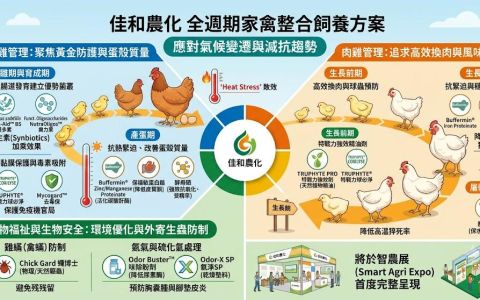
As global climate change intensifies, "heat stress" triggered by high summer temperatures has become a core challenge for the poultry farming industry. Meanwhile, under the dual trends of animal-friendly farming and antibiotic reduction, improving poultry immunity and gut health through precision nutrition has become key to maintaining production efficiency. In response, Jiahe Agrochemical Co., Ltd. (hereafter referred to as Jiahe Agrochemical) has proposed a full-cycle integrated feeding management solution tailored to the distinct physiological needs of layers and broilers, covering the "brooding period, mid-laying/growing stage, and environmental management.
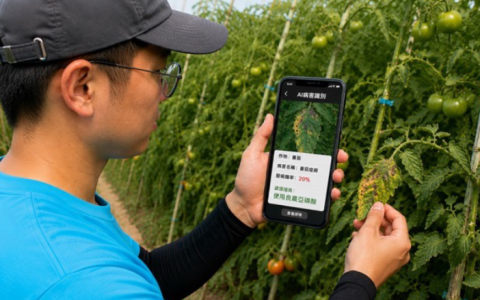
With Taiwan's agriculture facing multiple challenges such as an aging population, laborshortages, and climate change, how to effectively pass on the years of field experience accumulated by veteran farmers and combine it with emerging technologies to improve management efficiency has become an important issue for agricultural development. Agro-Green International Co Ltd stated that the future of agriculture not only requires experience,but also data analysis and smart technology to assist decision-making, creating a new generation of management models that combine inheritance and innovation.

By 2026, the Asia-Pacific region will have reached a historical tipping point in food security. Faced with climate volatility and supply chain disruptions, regional powers are shifting from traditional farming to high-capital, high-tech intensive aquaculture.

Datuk Seri Arthur Joseph Kurup says sustainable soil management is key to tackling urbanisation and climate threats, with RM120 million allocated for soil restoration.

Malaysia aims to boost its ruminant livestock self-sufficiency rate from 20% to 50% by 2030 through new agri-food programmes and modern farming projects.
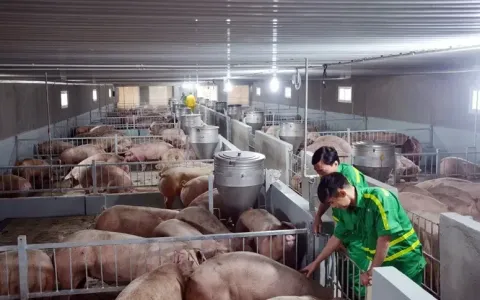
Vietnam's livestock industry is facing significant fluctuations in the first quarter of 2025. Pork prices have risen unusually high, contrary to the trend of previous years. While the livestock population remains relatively stable, poultry and egg prices have fallen sharply.
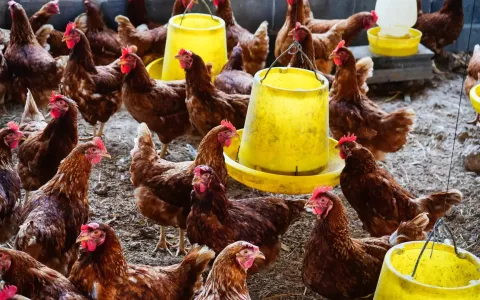
Vietnam’s livestock sector is accelerating restructuring, reducing production costs, and developing a fully integrated supply chain.
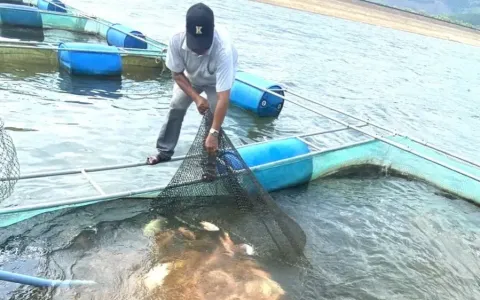
(GLO) - In the context of the fisheries sector's push for green transformation, agricultural extension work is not limited to technology transfer but also plays a role in connecting value chains and guiding sustainable production from the grassroots level.

These projects focus on high-tech aquaculture, vegetable and flower cultivation, livestock farming, and slaughter operations.

As Việt Nam’s livestock sector faces the need to renew its growth model, enhance added value and fulfil its sustainable development commitments, Deputy Director of the Department of Livestock Production and Animal Health Phạm Kim Đăng spoke to Việt Nam News reporter Trần Như about the sector’s key orientations and solutions for 2026.