



Taiwan's Poultry Industry: Market Analysis and Equipment Opportunities for International Suppliers
Executive Summary
Taiwan's poultry industry represents a substantial market opportunity for international equipment manufacturers and technology providers. With an annual production value of NT$56.8 billion (approximately US$1.8 billion) in 2022, accounting for 28% of total livestock production value, the industry is experiencing significant modernization and expansion. This report provides international suppliers with comprehensive insights into Taiwan's poultry industry structure, technological advancement trends, and emerging equipment demands.
Industry Scale and Production Capacity
Taiwan's poultry sector demonstrates robust production capabilities across multiple segments. As of 2022, the industry maintained significant livestock populations:
- Layer hens: 45.22 million birds
- Colored broilers: 26.74 million birds
- White broilers: 24.09 million birds
- Ducks: Significant production capacity
The annual slaughter volume reached impressive levels with 392.4 million chickens and 36.61 million ducks processed in 2022, indicating a highly developed processing infrastructure requiring continuous equipment upgrades and maintenance (National Development Council [NDC], 2022).
Poultry Production Value Chain
Taiwan's poultry production chain encompasses a comprehensive network from breeding stock management through to retail distribution. The industry is rapidly transitioning toward large-scale, intelligent operations that enhance production efficiency and product quality. This value chain integration creates multiple touchpoints for equipment suppliers:
Primary Production
- Breeding stock management systems
- Hatchery operations
- Grow-out facilities
- Feed manufacturing and distribution
Processing and Distribution
- Slaughter and processing facilities
- Cold chain logistics
- Retail and food service channels
The industry's evolution toward vertical integration presents opportunities for comprehensive equipment solutions rather than standalone products.
Employment and Smart Agriculture Adoption
The livestock and poultry sector employs approximately 8,700 workers, with projections indicating continued growth as the industry expands (NDC, 2022). More significantly, the sector is experiencing rapid adoption of smart agriculture technologies, creating demand for:
- Automated farm management systems
- Environmental monitoring and control solutions
- Data-driven decision support platforms
- IoT-enabled equipment with real-time monitoring capabilities
This technological transformation is driven by labor shortages, rising operational costs, and increasing consumer demands for food safety and traceability.
Global Market Trends and Equipment Demand
The global meat and poultry processing equipment market is projected to reach US$19.8 billion by 2029, with a compound annual growth rate (CAGR) of 9.3% (Global Information, Inc. [GII], 2024). This growth is fueled by:
- Food Safety Requirements: Stricter regulations driving equipment upgrades
- Hygiene Standards: Enhanced sanitation protocols requiring specialized equipment
- Sustainability Demands: Energy-efficient and environmentally friendly processing solutions
- Automation Integration: Labor-saving technologies becoming essential
Key Equipment Categories and Technologies
Environmental Control Systems
Smart ventilation and climate control systems are critical for maintaining optimal growing conditions. These systems must manage temperature, humidity, and air quality while minimizing energy consumption. Taiwan's subtropical climate creates unique challenges requiring sophisticated environmental management solutions (Ministry of Agriculture [MOA], 2024).
Automated Feeding and Watering Systems
Modern poultry operations require precise feed delivery and water management systems that:
- Reduce labor requirements
- Optimize feed conversion ratios
- Monitor consumption patterns
- Integrate with farm management software
Processing Equipment
The processing sector demands equipment that delivers:
- Multi-functional capabilities: Slicing, cooling, and portioning in integrated systems
- Consistent product quality: Automated systems ensuring uniformity
- High throughput: Meeting large-scale production requirements
- Hygiene compliance: Easy-to-clean designs meeting international standards
Disease Monitoring and Biosecurity Equipment
Taiwan's focus on disease prevention creates opportunities for:
- Biosecurity infrastructure systems
- Intelligent monitoring solutions
- Automated health assessment technologies
- Integrated disease management platforms
Major International Suppliers in Taiwan Market
Several international equipment manufacturers have established strong positions in Taiwan:
- Big Dutchman (Germany)
A global leader in livestock automation equipment, Big Dutchman offers comprehensive solutions including automated feeding systems and environmental controls. Their established presence in Taiwan provides a blueprint for market entry strategies (MOA, 2024). - SKOV (Denmark)
Specializing in ventilation and environmental management systems, SKOV delivers high-performance solutions tailored to intensive poultry production environments. Their success demonstrates the importance of climate-specific adaptations for the Taiwan market (MOA, 2024). - Other International Suppliers
American and European manufacturers are increasingly active in Taiwan, recognizing the market's sophistication and willingness to invest in advanced technologies. Success factors include local service support, training programs, and adaptation to local production practices (GII, 2024; Wesexpo, 2025).
Future Market Outlook and Opportunities
Government Support Programs
Taiwan's government actively supports industry modernization through:
- Facility Upgrade Subsidies: Financial assistance for modernizing poultry houses
- Smart Agriculture Initiatives: Promoting IoT and big data adoption
- Environmental Compliance Support: Funding for sustainable technology implementation
Technology Adoption Trends
The industry is rapidly embracing:
- IoT Integration: Connected devices for real-time monitoring
- Big Data Analytics: Production optimization through data insights
- AI Applications: Predictive maintenance and disease detection
- Automation: Labor-saving solutions across the production chain
Growing Equipment Demand
Market demand is expanding for:
- High-efficiency Processing Equipment: Meeting increasing processed product consumption
- Hygienic Design Solutions: Equipment meeting stringent food safety standards
- Sustainable Technologies: Energy-efficient and environmentally friendly systems
- ntegrated Management Platforms: Comprehensive farm-to-fork solutions
International Cooperation and Market Expansion
Taiwan actively seeks:
- Advanced equipment and technology imports
- Technical partnerships with international suppliers
- Knowledge transfer programs
- Export market development requiring international standard compliance
Recommendations for International Suppliers
To successfully enter or expand in Taiwan's poultry equipment market, international suppliers should:
- Establish Local Partnerships: Work with established distributors familiar with local practices
- Provide Comprehensive Support: Offer training, maintenance, and technical assistance
- Adapt to Local Conditions: Modify equipment designs for Taiwan's climate and production systems
- Demonstrate ROI: Clearly communicate efficiency gains and payback periods
- Ensure Compliance: Meet local regulatory requirements and certification standards
Conclusion
Taiwan's poultry industry presents a mature yet dynamically evolving market for international equipment suppliers. With strong production fundamentals, government support for modernization, and increasing adoption of smart agriculture technologies, the market offers substantial opportunities for suppliers of advanced poultry production and processing equipment. The industry's commitment to food safety, efficiency, and sustainability aligns well with global equipment innovation trends, making Taiwan an attractive market for international technology providers.
Success in this market requires understanding local production practices, providing comprehensive support services, and demonstrating clear value propositions for efficiency and quality improvements. International suppliers who can meet these requirements will find Taiwan to be not only a profitable market but also a potential gateway to broader Asian markets.
References
- Global Information, Inc. (2024). Meat and poultry processing equipment global market report 2024. https://www.gii.tw/report/tbrc1664480-meat-poultry-processing-equipment-global-market.html
- Ministry of Agriculture. (2024). Smart agriculture technology applications in poultry farming. https://agtech.moa.gov.tw/Topic/topic_more?id=f85a3c0b11ca4680989afc019426a5dc
- National Animal Industry Foundation. (2024). Taiwan poultry industry statistics and forecasts. https://www.naif.org.tw/forecast.aspx?frontTitleMenuID=37&frontMenuID=310
- National Development Council. (2022). Taiwan livestock and poultry industry analysis report. https://ws.ndc.gov.tw/001/administrator/18/relfile/6037/9797/d8653d80-32cb-428c-bc5c-71e089c954b2.pdf
- Taiwan Smart Agriweek. (2024). Poultry industry modernization trends. https://www.taiwanagriweek.com/media-detail/544/
- Wesexpo. (2025). Taiwan agrilivestock exhibition 2025. https://www.wesexpo.com/exhibition/2025-09_taiwan_agrilivestock
Other News
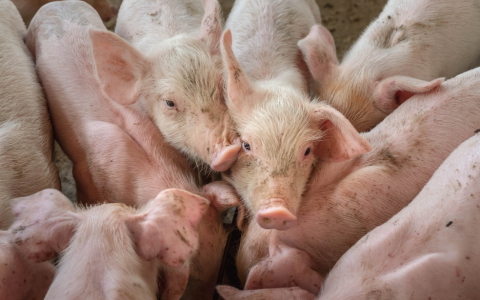
Taiwan Smart Agriweek 2026 tackles the agricultural "Triple Threat" of climate, labor, and disease. Discover the smart technologies transforming these global challenges into resilient, profitable business opportunities.
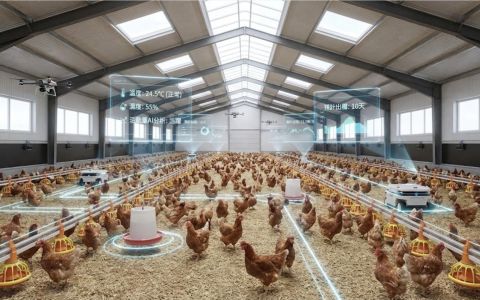
This report is based on the 2024 Taiwan Poultry Statistical Manual, published by the Veterinary and Livestock Development Foundation. The following is a quick summary highlighting the key data and development trends of Taiwan's poultry industry in 2024:
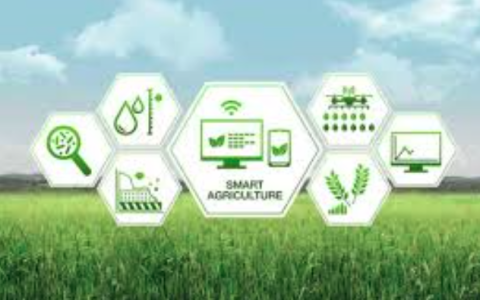
Climate change, labour shortages and rising sustainability demands are reshaping agriculture. Here are the key smart farming technologies and trends transforming the sector in 2026.

Taiwan's ready-to-eat agricultural and fishery products and functional foods market is undergoing rapid transformation and growth, primarily driven by modern consumers' high demand for convenience, health, and sustainability. In terms of supply chain, government and private enterprises are heavily investing in automated processing technologies and nationwide cold chain logistics systems to address labor shortages, enhance food safety and quality, and strengthen export competitiveness.

Aquaculture has become a cornerstone of Taiwan's fisheries sector. As of 2023, the industry's production value reached approximately NT$40.2 billion, accounting for nearly 41% of the country's total fisheries output.
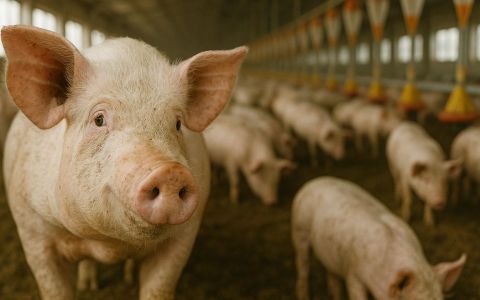
Taiwan's livestock production value reaches approximately NT$185.8 billion annually (2021 data), accounting for about 34.6% of the total agricultural output value
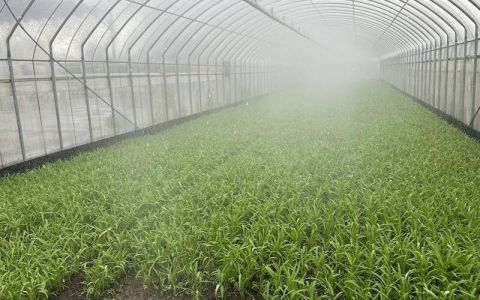
Smart irrigation and scheduling tech improve greenhouse farming efficiency in Taiwan, reducing labor needs and increasing productivity.

Taiwan’s agriculture plays a pivotal role in national food security, economic development, and global trade. Despite limited arable land, climate challenges, and an aging rural workforce, Taiwan has developed a highly efficient and technologically advanced agricultural system. Today, the sector is undergoing a digital and sustainable transformation through smart farming, automation, and eco-friendly practices—aimed at boosting productivity, reducing labor reliance, and improving resilience.

Discover how cutting-edge carbon reduction strategies and circular technologies are transforming agriculture, with inspiring examples from Taiwan and Japan leading the way to a greener, more sustainable future.
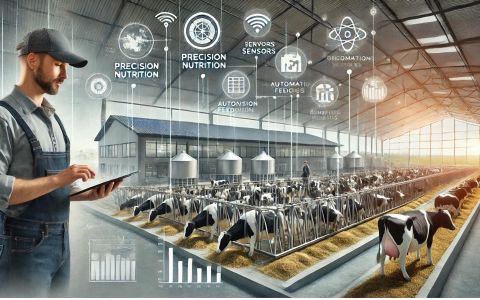
Integrating smart technologies such as sensors, IoT, and AI into agriculture and livestock sectors enables precise nutritional management, enhancing production efficiency, reducing waste, and promoting environmental sustainability.