



2025 Taiwan Aquaculture Industry Market Analysis and Business Opportunity Trends Report
Abstract
Aquaculture has become a cornerstone of Taiwan's fisheries sector. As of 2023, the industry's production value reached approximately NT$40.2 billion, accounting for nearly 41% of the country's total fisheries output (Taiwan Fisheries Agency, 2024). With mounting challenges such as extreme climate, labor shortages, and increasing global competition, the government is actively promoting industry transformation focused on "aquavoltaics" and "smart aquaculture." These efforts create significant opportunities for international suppliers of equipment and technology. This report analyzes the current structure and gaps in Taiwan's fish and shrimp aquaculture value chains and offers market intelligence, technical needs, and strategic recommendations for international businesses aiming to enter Taiwan.
Overview of Taiwan's Aquaculture Industry
Industry Scale and Output
As of 2021, Taiwan had a total aquaculture area of 43,510 hectares and employed over 85,000 people in the sector (Legislative Yuan, 2022; Taiwan Fisheries Agency, 2023). The industry traditionally centered on land-based ponds, but in recent years, facility-based and tech-enhanced models have gained traction to boost resilience and efficiency.
Major farmed species and latest annual production volumes include:
- Tilapia (Oreochromis spp.): ~65,000 metric tons; the most widely farmed species in Taiwan (Council of Agriculture, 2023).
- Milkfish (Chanos chanos): ~51,000 metric tons; over 50% produced in Tainan (AgriHarvest, 2023).
- Asian Sea Bass (Lates calcarifer): Estimated >18,000 metric tons in 2024. Demand is rising due to its adaptability to RAS and premium market value (Taiwan News, 2024).
- High-value species (e.g., grouper, silver pomfret): Face intense price and volume competition from Southeast Asia and China.
- Whiteleg Shrimp (Litopenaeus vannamei): Formerly the global leader with 95,000 metric tons in 1987, Taiwan now produces ~10,000 metric tons annually—well below the domestic demand of 30,000–40,000 metric tons. Around 30,000 metric tons are imported each year (FoodNext, 2023).
Industry Value Chain Structure
Taiwan's aquaculture industry is structured into three core segments (Lin & Chang, 2017):
- Upstream (Seed & Feed):
- Fish seed supply is mature; e.g., Chiayi County provides nearly 90% of the nation's tilapia fry (Economic Daily News, 2023).
- Shrimp seed supply remains inconsistent due to recurring pathogen transmission, especially in hatcheries in Pingtung (TFRI, n.d.).
- Midstream (Farming & Equipment):
- Traditional open-air ponds still dominate but are vulnerable to weather events. Transition is underway to Recirculating Aquaculture Systems (RAS), which save up to 80% of water usage and boost yield (Taiwan Smart Agriculture Platform, 2023).
- High-end pathogen detection and indoor facilities are increasingly adopted in shrimp farming to combat vibrio and other risks (Blue Aqua, 2023).
- Downstream (Processing & Distribution):
- About 70% of farmed products are consumed domestically. Live fish are exported primarily to Hong Kong and China; frozen processed seafood is shipped to the U.S., Middle East, and Japan (Taiwan Fisheries Agency, 2023).
- Shrimp remains heavily dependent on imports due to local production shortfalls.
Opportunities for International Suppliers
Market Demand & Technology Gaps
- Shrimp Production Gap: Taiwan’s annual shrimp supply gap of 30,000 metric tons represents the most direct market opportunity. Government-supported aquavoltaic projects aim to develop 10,000 hectares of aquaculture–solar hybrid farms by 2025, with 1,200 hectares already approved by 2023 (Informa Markets, 2023).
- Smart Farming Technologies:
- Water Quality Management: Extreme weather and disease outbreaks are driving urgent demand for real-time automated systems (e.g., IoT sensors, AI-driven oxygenation control).
- Precision Feeding Systems: Most farms still rely on timer-based feeders; there is a strong demand for adaptive systems based on fish behavior and temperature data (Lin & Chang, 2017).
Policy Drivers & Regulatory Environment
- Government Investment: The Ministry of Agriculture plans to invest NT$8.7 billion from 2021–2025 to support facility upgrades, smart tech adoption, and cold-chain infrastructure (Council of Agriculture, 2023).
- Compliance Requirements: Imported or foreign equipment must meet Taiwan’s FSVP standards (FDA, 2021). For aquavoltaics, integration with solar PV systems requires conformity with national safety and infrastructure regulations (MOEA, 2024).
Business Models & Entry Strategies
- Localized Technical Support (OEM/ODM): Taiwanese buyers favor technology transfer and customized equipment. Success depends on offering after-sales support, training, and maintenance through local partners (KPMG, 2022).
- Distribution Partnerships: Participation in industry events (e.g., Taiwan International Fisheries & Seafood Show) and long-term collaborations with regional agents are critical for building trust and visibility (TAITRA, 2023).
Risk Considerations
- Market Fragmentation: Over 90% of Taiwan’s aquaculture farms are small-scale or family-run operations with limited budgets. Suppliers should consider leasing options or financial tie-ups to lower the entry barrier (Legislative Yuan, 2022).
- Low-Cost Competition: Suppliers from Southeast Asia and China offer budget-friendly alternatives. Global brands must differentiate through superior energy efficiency, AI integration, or robust durability (Dragon Sourcing, n.d.).
Conclusion
Taiwan’s aquaculture industry stands at the threshold of a technology-driven transformation. Government incentives, persistent supply gaps (especially in shrimp), and increasing interest in automation and sustainability create fertile ground for international suppliers. Foreign companies that align their offerings with Taiwan’s smart aquaculture needs—especially in indoor farming, water monitoring, and precision feeding—and offer localized support will be well-positioned to thrive in this evolving market.
References
- AgriHarvest. (2023, March 23). Fresh fish on the table: Taiwan’s top five farmed species. https://www.agriharvest.tw/archives/58957
- Blue Aqua. (2023, July 26). Revolutionizing shrimp farming: Taiwan's unique sapphire hatchery. https://www.blueaquaint.com/revolutionizing-shrimp-farming-taiwans-unique-sapphire-hatchery/
- Chen, Y. C., Chen, S. H., & Chou, C. C. (2021). The fishery value chain analysis in Taiwan. Sustainability, 13(16), 9175. https://doi.org/10.3390/su13169175
- Council of Agriculture. (2023). Aquaculture white paper. https://www.coa.gov.tw
- Dragon Sourcing. (n.d.). How to source products from overseas manufacturers. https://www.dragonsourcing.com/how-to-source-products-from-overseas-manufacturers/
- Economic Daily News. (2023, March 21). Tilapia hatcheries in Chiayi dominate global supply. https://money.udn.com/money/story/5648/7046182
- FoodNext. (2023, October 18). Taiwan’s shrimp industry in decline: Can hatchery reform reverse the trend? https://www.foodnext.net/column/columnist/paper/5591361571
- FDA. (2021). FSMA Final Rule on Foreign Supplier Verification Programs (FSVP). https://www.fda.gov/food/food-safety-modernization-act-fsma/fsma-final-rule-foreign-supplier-verification-programs-fsvp-importers-food-humans-and-animals
- Informa Markets. (2023). The economic feasibility of aquavoltaics in Taiwan. https://www.aquacultureuk.com/wp-content/uploads/2023/04/The-Economic-Feasibility-of-Aquavoltaics-in-Taiwan.pdf
- KPMG. (2022, August 23). Legal risks under global supply chain reorganization. https://kpmg.com/tw/zh/home/insights/2022/08/legal-alert-august-2022.html
- Legislative Yuan. (2022, May 17). Importance and transformation of Taiwan’s aquaculture industry. https://www.ly.gov.tw/Pages/Detail.aspx?nodeid=6590&pid=215589
- Lin, C. Y., & Chang, H. C. (2017). The fishery value chain analysis in Taiwan. Sustainability, 9(9), 1599. https://doi.org/10.3390/su9091599
- MOEA. (2024). Guidelines for solar facility integration with aquaculture systems. https://www.moea.gov.tw
- TAITRA. (2023). Taiwan International Fisheries & Seafood Show 2023. https://www.taiwanfishery.com.tw
- Taiwan Fisheries Agency. (2023). 2022 Annual Fisheries Statistical Report. https://www.fa.gov.tw
- Taiwan Fisheries Agency. (2024). National Aquaculture Production Summary 2023. https://www.fa.gov.tw
- Taiwan News. (2024, February 8). Asian sea bass emerges as key player in Taiwan's domestic seafood markets. https://www.taiwannews.com.tw/en/news/4837371
- TFRI (Taiwan Fisheries Research Institute). (n.d.). Shrimp seed production and disease management. https://www.tfrin.gov.tw
Other News
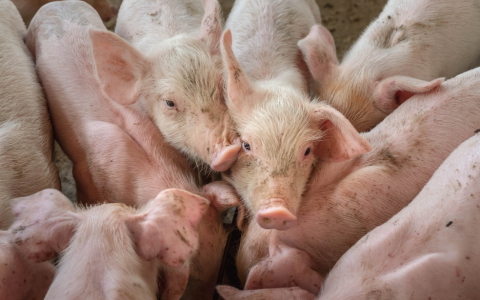
Taiwan Smart Agriweek 2026 tackles the agricultural "Triple Threat" of climate, labor, and disease. Discover the smart technologies transforming these global challenges into resilient, profitable business opportunities.
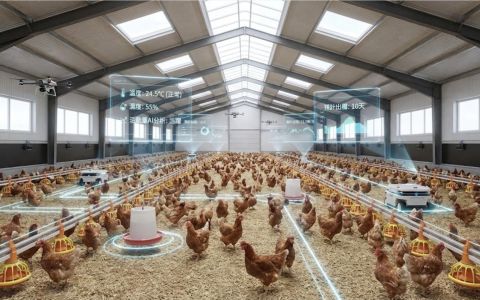
This report is based on the 2024 Taiwan Poultry Statistical Manual, published by the Veterinary and Livestock Development Foundation. The following is a quick summary highlighting the key data and development trends of Taiwan's poultry industry in 2024:
Climate change, labour shortages and rising sustainability demands are reshaping agriculture. Here are the key smart farming technologies and trends transforming the sector in 2026.
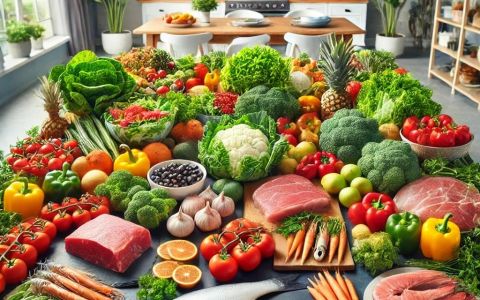
Taiwan's ready-to-eat agricultural and fishery products and functional foods market is undergoing rapid transformation and growth, primarily driven by modern consumers' high demand for convenience, health, and sustainability. In terms of supply chain, government and private enterprises are heavily investing in automated processing technologies and nationwide cold chain logistics systems to address labor shortages, enhance food safety and quality, and strengthen export competitiveness.
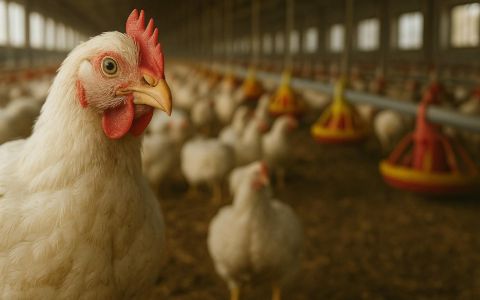
Taiwan's poultry industry represents a substantial market opportunity for international equipment manufacturers and technology providers.
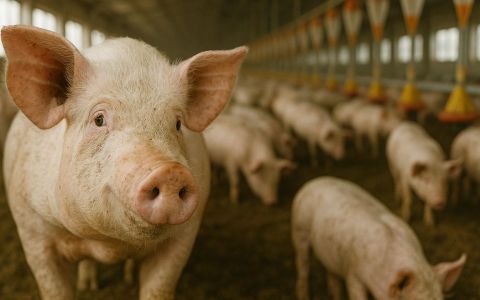
Taiwan's livestock production value reaches approximately NT$185.8 billion annually (2021 data), accounting for about 34.6% of the total agricultural output value
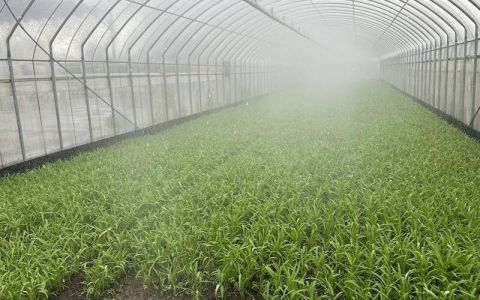
Smart irrigation and scheduling tech improve greenhouse farming efficiency in Taiwan, reducing labor needs and increasing productivity.

Taiwan’s agriculture plays a pivotal role in national food security, economic development, and global trade. Despite limited arable land, climate challenges, and an aging rural workforce, Taiwan has developed a highly efficient and technologically advanced agricultural system. Today, the sector is undergoing a digital and sustainable transformation through smart farming, automation, and eco-friendly practices—aimed at boosting productivity, reducing labor reliance, and improving resilience.
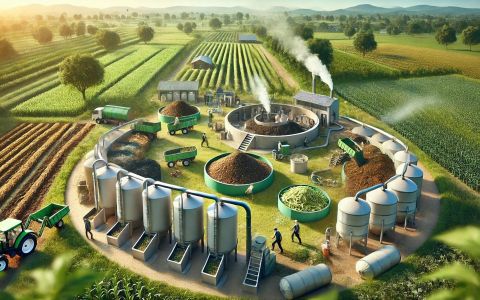
Discover how cutting-edge carbon reduction strategies and circular technologies are transforming agriculture, with inspiring examples from Taiwan and Japan leading the way to a greener, more sustainable future.
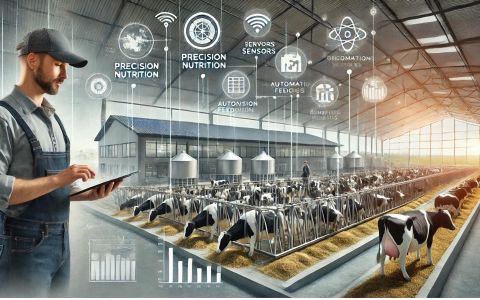
Integrating smart technologies such as sensors, IoT, and AI into agriculture and livestock sectors enables precise nutritional management, enhancing production efficiency, reducing waste, and promoting environmental sustainability.