



2025 Market Status and Trends of Taiwan's Ready-to-Eat and Functional Foods
Abstract
Taiwan's ready-to-eat agricultural and fishery products and functional foods market is undergoing rapid transformation and growth, primarily driven by modern consumers' high demand for convenience, health, and sustainability. In terms of supply chain, government and private enterprises are heavily investing in automated processing technologies and nationwide cold chain logistics systems to address labor shortages, enhance food safety and quality, and strengthen export competitiveness (Ministry of Agriculture, 2024).
The functional foods market, particularly represented by dripping chicken essence, is experiencing robust development with an annual output value reaching billions of New Taiwan Dollars and continuing to grow. Market trends indicate that consumers not only focus on the health benefits of products, such as enhancing physical strength and improving immunity, but also place great emphasis on taste, texture, and odor-free experiences. Brand competition is intense, with success depending on building consumer trust through scientific evidence, professional endorsement, and diversified channel deployment. In the future, this market will evolve toward more precise functionality, broader consumer segments, and personalized nutrition with greater product diversity.
Market Drivers and Trends
The modern fast-paced lifestyle has significantly driven the development of Taiwan's processed and ready-to-eat (RTE) agricultural and fishery products market. Consumer preferences for convenience, coupled with increasing attention to food safety and quality standards, have prompted the industry to transform toward providing high-quality, easy-to-prepare products (Wesexpo Exhibition Services Co., Ltd., 2024a). The continued global growth in demand for meat and seafood has also brought higher capacity requirements and market opportunities to Taiwan's primary processing industry.
Furthermore, sustainability has become a core trend influencing processing methods and equipment design. Consumers and regulatory agencies are increasingly concerned about the environmental impact of food processing, driving industry demand for environmentally friendly processing technologies that reduce waste, lower energy and water consumption, and support circular economy models (Wesexpo Exhibition Services Co., Ltd., 2025).
Supply Chain Innovation: From Processing to Logistics
To respond to market demands and challenges, Taiwan's agricultural and fishery products supply chain is undergoing a profound transformation driven by technology.
Processing Automation and Intelligence
Facing pressures from labor shortages and rising costs, automation technology has become a key solution for primary processing of livestock and fishery products.
- Livestock Processing: Robotic technology has been widely applied in slaughtering, deboning, and cutting processes, while artificial intelligence (AI)-integrated vision systems are used for quality control, automatically detecting product defects to ensure consistency in finished products (Ministry of Agriculture, 2024). Taiwan's pig farming industry has achieved modernization transformation through the "Comprehensive Transformation and Upgrading Program for Pig Industry in Response to Trade Liberalization" since 2021, with a cumulative introduction of automated labor-saving facilities in 1,298 pig farms, including new sow farrowing pens and pig ultrasound pregnancy detectors (Ministry of Agriculture, 2024).
- Fishery Processing: Equipment such as automatic descaling machines, gutting machines, and sorting robots have effectively improved the processing efficiency and quality stability of seafood products. Advanced cutting technologies such as water jet and laser cutting provide higher processing precision (Wesexpo Exhibition Services Co., Ltd., 2024b).
National Cold Chain Logistics System Construction
A complete cold chain is fundamental to ensuring the quality of perishable agricultural and fishery products, reducing losses, and expanding export markets. The Taiwan government has invested over 10 billion budget in recent years to accelerate the construction of a national cold chain logistics system for agricultural, fishery, and livestock products (Ministry of Agriculture, 2024).
- Infrastructure: The plan includes constructing international-level flagship logistics centers (such as Pingtung Agricultural Biotechnology Park) and regional logistics centers, while upgrading cold chain equipment in large wholesale markets.
- Technology Applications: Cold chains involve not only maintaining low temperatures but also precise temperature control according to different product characteristics. For example, exported mangoes require heat treatment followed by cold chain at 3-5°C, while guavas need 17-day cold storage quarantine at 1°C. A comprehensive cold chain system can improve the saleable rate of exported fruits from 75% to 98% (Wesexpo Exhibition Services Co., Ltd., 2024a).
Diversified Channel Development
With the maturation of low-temperature home delivery technology, sales channels for agricultural and fishery products have expanded from traditional markets and supermarkets to diversified online platforms.
- E-commerce Platforms: Government and private sectors jointly promote agricultural e-commerce through platforms such as "Agricultural Direct Sales" and "Fresh Fish Shopping," providing products with traceability (TAP) or CAS certification, allowing consumers to purchase directly from producers and shortening the production-to-sales chain.
- Physical Retail: Chain supermarkets (such as PX Mart) and convenience stores (such as OKmart) actively cooperate with farmers' associations and production areas to establish agricultural product sections, promoting local ingredients that are ready-to-eat and easy-to-prepare (Wesexpo Exhibition Services Co., Ltd., 2024a).
Functional Foods Market Analysis: Using Dripping Chicken Essence as an Example
Functional foods refer to foods that provide specific health benefits beyond basic nutritional value. Against the backdrop of rising global health awareness, this market is growing rapidly, with the global market size expected to reach $793.6 billion by 2032 (Global Market Insights, 2024). Taiwan's health food market has already exceeded 150 billion New Taiwan Dollars in annual output value and continues to grow steadily.
Market Size and Potential
Dripping chicken essence, concentrated chicken essence, and related chicken essence products are star commodities in Taiwan's functional foods market, with an estimated annual output value of 5 billion New Taiwan Dollars (Industry Survey Report, 2024). Despite intense market competition, household penetration remains low (approximately 3.8%), indicating significant growth potential. These products are popular not only in Taiwan but have also successfully expanded to international markets including Hong Kong, Singapore, and the United States.
Functional Product Market Data:
- Estimated annual output value of Taiwan's dripping/concentrated chicken essence market: approximately 5 billion New Taiwan Dollars, with annual growth rate (2021) exceeding 43%
- Global chicken essence supplement market forecast (to 2033): $2.5 billion
- Global functional foods market forecast (to 2030): $491.6 billion
Consumer Behavior and Preferences
Emphasis on Both Taste and Efficacy
According to online reputation analysis, the two major aspects consumers focus on when purchasing dripping chicken essence are "taste and texture" and "efficacy" (Market Research Report, 2024).
- Taste: Consumers are extremely concerned about whether products have a "fishy smell" and pursue a "smooth" and "pleasant" drinking experience. A refreshing and non-greasy texture is also an important advantage.
- Efficacy: Main appeals include "nourishing and strengthening," "enhancing physical strength," and "anti-fatigue." Application scenarios include pregnancy nourishment, postpartum recovery, workplace energy boost, elderly health care, and gifts for visiting patients.
Trust and Professional Image
As the market matures, consumers increasingly rely on scientific evidence and professional endorsement for decision-making.
- Scientific Evidence: Keywords such as "clinical evidence," "high absorption rate," and "patented ingredients" have become sales focal points. Some studies indicate that the amino acid content of dripping chicken essence (particularly branched-chain amino acids BCAA) may be higher than traditional chicken soup, helping combat fatigue (Nutrition Research, 2023).
- Medical Trust: Brands have begun collaborating with doctors and nutritionists, establishing professional image and consumer trust through health education content and video endorsements. Choosing brands with third-party inspection reports and medical research validation has become consumers' way of reducing purchasing risks.
Expanding Consumer Demographics
The consumer base for dripping chicken essence has expanded from pregnant women and elderly people to broader age groups.
- Younger Demographics: Young people, due to work pressure and busy lifestyles, have begun paying attention to gastrointestinal, eye, immunity, and emotional management health issues, incorporating dripping chicken essence into daily health care.
- Children's Market: Some brands have launched products designed for children with small packages and refreshing taste, which have also received positive market response.
Brand Competition and Marketing Strategies
Taiwan's dripping chicken essence market has numerous brands with intense competition. Leading brands such as Lao Xie Zhen, Pure Country, and Brand's utilize different strategies to occupy market positions.
- Product Differentiation: Lao Xie Zhen uses "concentrated chicken essence" processing and adds pork ribs to create collagen-rich texture for market differentiation. Pure Country has gained widespread praise for taste and attracts attention through co-branded gift boxes.
- Channel Layout: Sales channels are extremely diverse, covering large e-commerce platforms (such as momo Shopping), warehouse stores (such as Costco), chain supermarkets (such as PX Mart), and convenience stores. Among these, e-commerce and warehouse channels account for higher sales amounts due to their suitability for bulk purchases. Some brands like Tian Yuan Xiang operate their own channels, establishing unique market differentiation.
- International Markets: Taiwan brands have begun entering international markets. For example, "Enjoy Premium Dripping Chicken Essence" appeared at the Asian Food Exhibition in the United States, attempting to open overseas recognition (Wesexpo Exhibition Services Co., Ltd., 2024b).
Future Prospects and Challenges
Opportunities
- Continued Market Growth: With the enhancement of global health awareness, demand for functional foods and ready-to-eat products will continue to expand. The 2024 Taiwan Smart Agriculture Week demonstrates that the application of smart agricultural technology is driving the industry toward more efficient and sustainable directions (Wesexpo Exhibition Services Co., Ltd., 2024a).
- Technological Innovation: The application of AI, data analysis, and automation technology will further optimize production processes, improve quality, and reduce costs. Taiwan's pig farming industry has successfully constructed 1,923 modern livestock buildings, including 1,233 water-saving elevated pig houses, saving approximately 1.562 million tons of water annually (Ministry of Agriculture, 2024).
- Export Potential: Taiwan's high-quality agricultural and fishery product processing technology and comprehensive cold chain system provide a solid foundation for expanding into high-end markets in Europe and America.
Challenges
- High Initial Investment: The construction costs of automation equipment and cold chain infrastructure are high, creating entry barriers for small and medium enterprises.
- Consumer Concerns: Some consumers still have concerns about highly processed foods. The industry needs to balance convenience with natural, minimally processed approaches.
- Brand Trust Building: In an information-cluttered market, how to effectively communicate the real efficacy of products and reverse negative evaluations (such as fishy smell issues) remains an ongoing challenge for brands.
Conclusion
Taiwan's ready-to-eat agricultural and fishery products and functional foods market is in a phase of rapid development. Under the dual drivers of technological innovation and consumer demand, the industry is moving toward more intelligent and sustainable directions. The success story of functional foods like dripping chicken essence demonstrates that strategies combining scientific evidence, quality improvement, and diversified marketing can establish advantages in intensely competitive markets. In the future, with the growth of personalized nutrition needs and continuous technological advancement, this market will welcome more innovative opportunities and development space.
References
- Global Market Insights. (2024). Functional foods market size. Global Market Insights. https://www.gminsights.com
- Industry Survey Report. (2024). Taiwan functional foods industry status and trend analysis. Food Industry Research Institute.
- Market Research Report. (2024). Taiwan functional foods consumer behavior analysis. Industry Research Center.
- Ministry of Agriculture. (2024). Implementation results of the comprehensive transformation and upgrading program for pig industry in response to trade liberalization. Ministry of Agriculture, Republic of China. https://www.moa.gov.tw
- Nutrition Research. (2023). Study on amino acid composition and functionality of dripping chicken essence. Taiwan Journal of Nutrition, 15(2), 45-62.
- Wesexpo Exhibition Services Co., Ltd. (2024a). 2024 Taiwan Smart Agriculture Week and International Fisheries Exhibition: Leading industry breakthrough climate challenges, creating sustainable new future. Wesexpo Exhibition Services.
- Wesexpo Exhibition Services Co., Ltd. (2024b). Asia's largest smart agriculture event - 2024 Taiwan Smart Agriculture Week and International Fisheries Exhibition grandly opens on September 11. Wesexpo Exhibition Services.
- Wesexpo Exhibition Services Co., Ltd. (2025). Smart Agriculture Week and International Fisheries Exhibition opening: Comprehensive upgrade of agriculture, fisheries and livestock! Technology leadership, creating sustainable future. Wesexpo Exhibition Services.
Other News
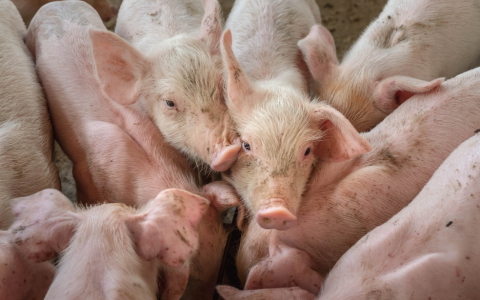
Taiwan Smart Agriweek 2026 tackles the agricultural "Triple Threat" of climate, labor, and disease. Discover the smart technologies transforming these global challenges into resilient, profitable business opportunities.
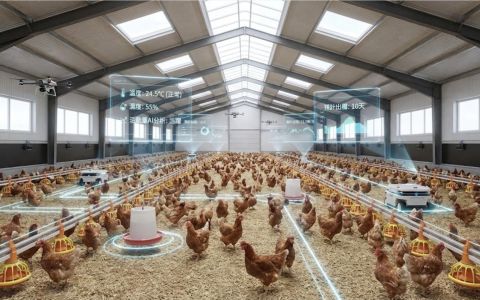
This report is based on the 2024 Taiwan Poultry Statistical Manual, published by the Veterinary and Livestock Development Foundation. The following is a quick summary highlighting the key data and development trends of Taiwan's poultry industry in 2024:
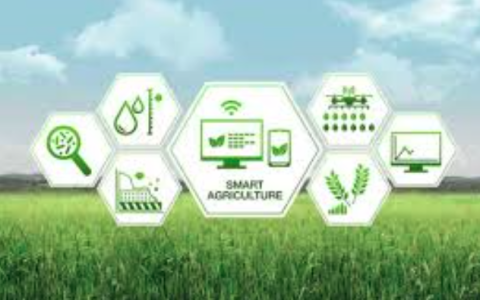
Climate change, labour shortages and rising sustainability demands are reshaping agriculture. Here are the key smart farming technologies and trends transforming the sector in 2026.

Aquaculture has become a cornerstone of Taiwan's fisheries sector. As of 2023, the industry's production value reached approximately NT$40.2 billion, accounting for nearly 41% of the country's total fisheries output.
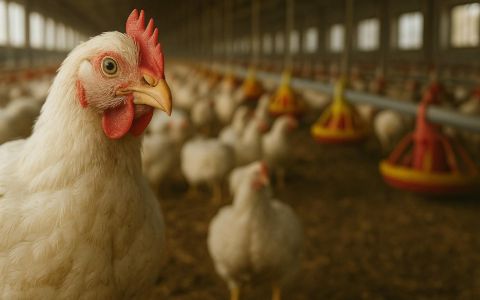
Taiwan's poultry industry represents a substantial market opportunity for international equipment manufacturers and technology providers.

Taiwan's livestock production value reaches approximately NT$185.8 billion annually (2021 data), accounting for about 34.6% of the total agricultural output value
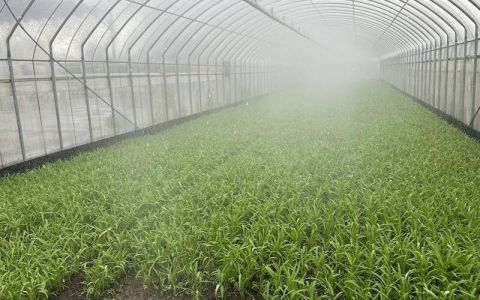
Smart irrigation and scheduling tech improve greenhouse farming efficiency in Taiwan, reducing labor needs and increasing productivity.

Taiwan’s agriculture plays a pivotal role in national food security, economic development, and global trade. Despite limited arable land, climate challenges, and an aging rural workforce, Taiwan has developed a highly efficient and technologically advanced agricultural system. Today, the sector is undergoing a digital and sustainable transformation through smart farming, automation, and eco-friendly practices—aimed at boosting productivity, reducing labor reliance, and improving resilience.
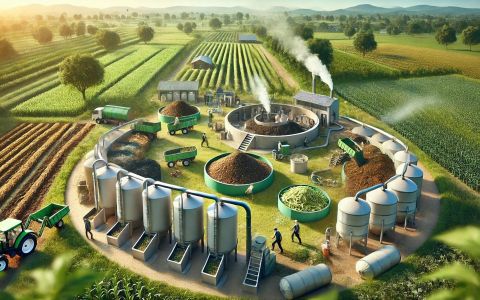
Discover how cutting-edge carbon reduction strategies and circular technologies are transforming agriculture, with inspiring examples from Taiwan and Japan leading the way to a greener, more sustainable future.
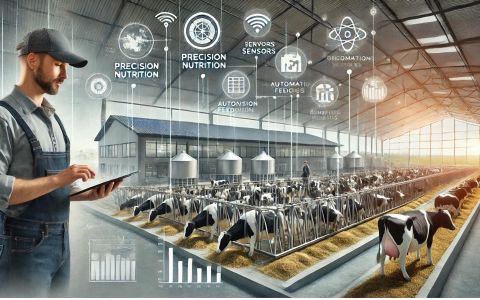
Integrating smart technologies such as sensors, IoT, and AI into agriculture and livestock sectors enables precise nutritional management, enhancing production efficiency, reducing waste, and promoting environmental sustainability.