



2024 Taiwan Poultry Market Overview
This report is based on the 2024 Taiwan Poultry Statistical Manual, published by the Veterinary and Livestock Development Foundation. The following is a quick summary highlighting the key data and development trends of Taiwan's poultry industry in 2024:
📊General Overview of Taiwan’s Poultry Industry in 2024
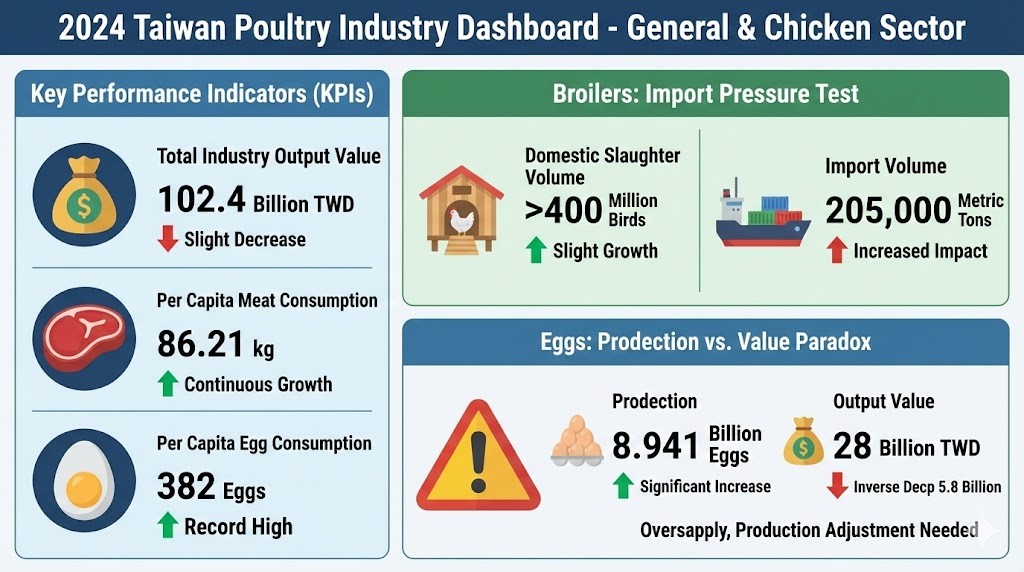
- Total output value: Around NT$102.4 billion, accounting for 17.02% of Taiwan’s total agricultural output value, a slight 1.56% decrease from 2023.
- Meat consumption: Average annual meat consumption per capita continued to rise, reaching 86.21 kg in 2024.
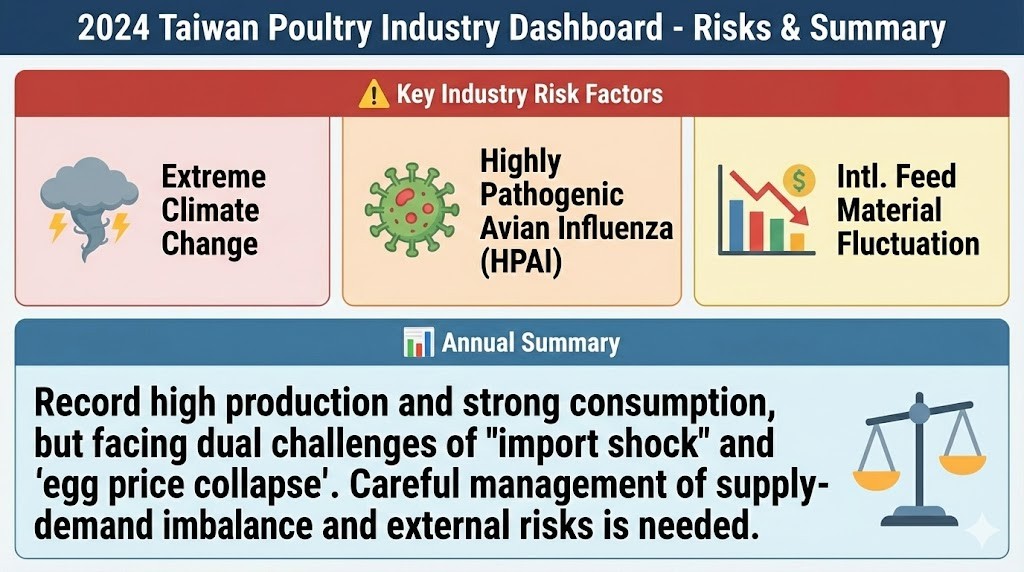
- Key challenges: The sector is affected by extreme weather, highly pathogenic avian influenza (HPAI) and fluctuating international feed/raw material prices.
🐔 Chicken Industry (Broilers and Layers)
- White Broilers (Main Meat Source)
-
The white broiler industry continued modest growth, with improved production performance.
-
Imported chicken is increasingly important: chicken meat imports reached 205,000 metric tons in 2024, highlighting the growing impact of imported products on the domestic market.
-
Slaughter volume exceeded 400 million birds for the first time (including native chickens), with white broilers alone increasing by about 22 million birds.
-
- Layers and Eggs (High Volatility):
-
Record egg production: Egg output reached 8.941 billion in 2024, an increase of about 900 million eggs compared with 2023 (the “egg shortage” year).
-
Falling output value: Oversupply pushed prices down, causing egg output value to drop by roughly NT$5.8 billion to about NT$28 billion.
-
Strong consumption: Average annual egg consumption per capita hit 382 eggs, a new high (more than one egg per person per day).
-
Supply–demand imbalance: Large imports of layer breeding stock in 2023 led to overproduction in 2024. Farmers now need to adjust supply through induced molting or culling older hens.
-
🦆 Duck Industry
-
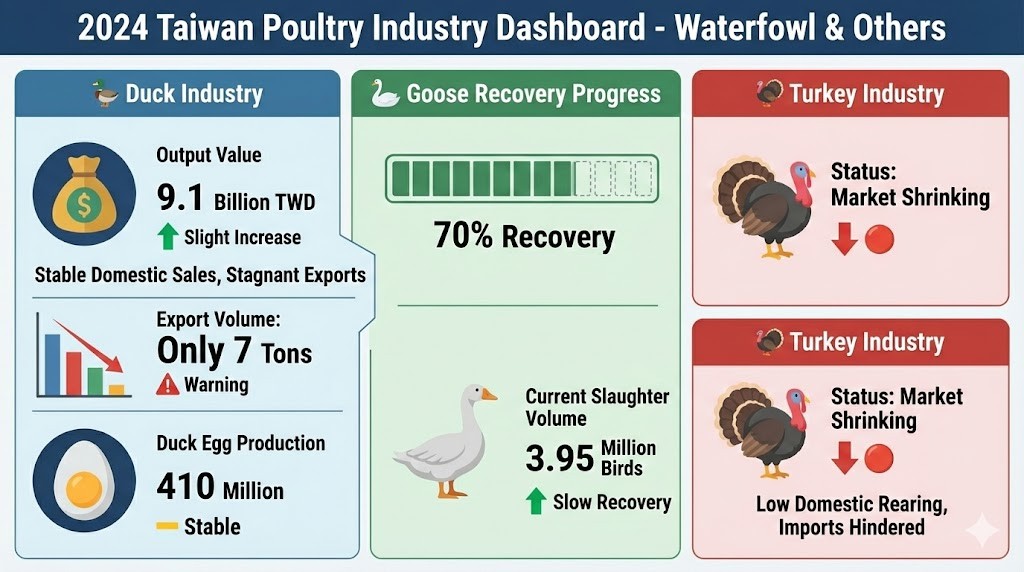
Production and marketing: In 2024, duck meat output value was about NT$9.1 billion, with slaughter volume around 34.33 million birds, a slight increase year-on-year.
-
Exports under pressure: Duck meat was once a major export, but due to avian influenza and global market conditions, most products are now sold domestically. Duck meat exports fell to only 7 tons in 2024.
-
Stable duck egg market: Supported by demand for century eggs, salted eggs and salted egg yolk snacks, duck egg production remained stable, at about 410 million eggs per year.
🦢 Goose and Turkey Industries
-
Goose (gradual recovery): The goose sector has been slowly recovering since the severe avian influenza outbreak in 2015. Slaughter volume in 2024 reached about 3.95 million birds, roughly 70% of pre-epidemic levels.
-
Turkey (shrinking market): Turkey production continues to decline. Domestic rearing volume is low, and imports also dropped notably due to avian influenza outbreaks in the United States.
💊 Feed and Vaccines
-
Feed raw materials: Taiwan’s poultry feed is highly dependent on imports, mainly corn and soybeans from the United States, Brazil and other regions.
-
Vaccines: Domestic producers continue to use large quantities of poultry vaccines (e.g. for Newcastle disease, infectious bronchitis, etc.) to reduce disease risks and maintain flock health.
Other News
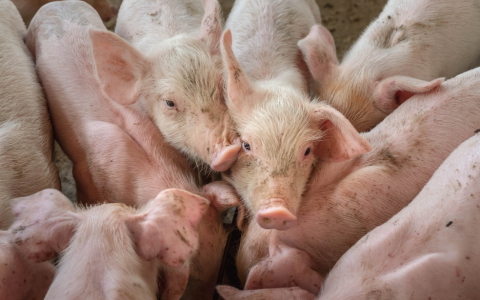
Taiwan Smart Agriweek 2026 tackles the agricultural "Triple Threat" of climate, labor, and disease. Discover the smart technologies transforming these global challenges into resilient, profitable business opportunities.
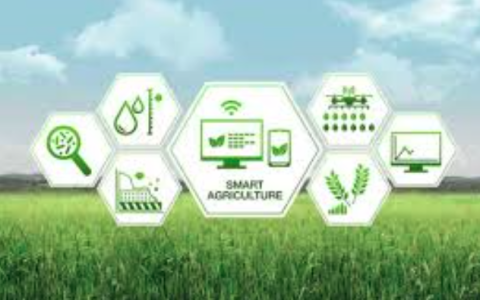
Climate change, labour shortages and rising sustainability demands are reshaping agriculture. Here are the key smart farming technologies and trends transforming the sector in 2026.

Taiwan's ready-to-eat agricultural and fishery products and functional foods market is undergoing rapid transformation and growth, primarily driven by modern consumers' high demand for convenience, health, and sustainability. In terms of supply chain, government and private enterprises are heavily investing in automated processing technologies and nationwide cold chain logistics systems to address labor shortages, enhance food safety and quality, and strengthen export competitiveness.

Aquaculture has become a cornerstone of Taiwan's fisheries sector. As of 2023, the industry's production value reached approximately NT$40.2 billion, accounting for nearly 41% of the country's total fisheries output.
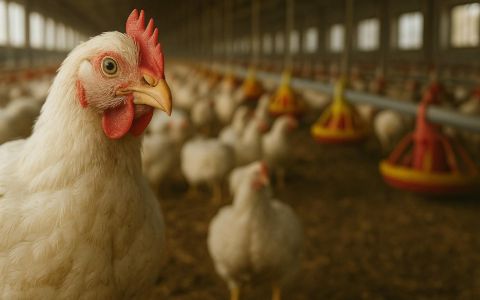
Taiwan's poultry industry represents a substantial market opportunity for international equipment manufacturers and technology providers.
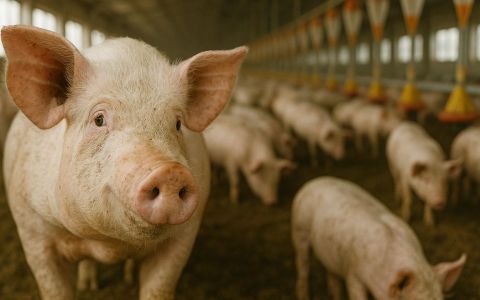
Taiwan's livestock production value reaches approximately NT$185.8 billion annually (2021 data), accounting for about 34.6% of the total agricultural output value
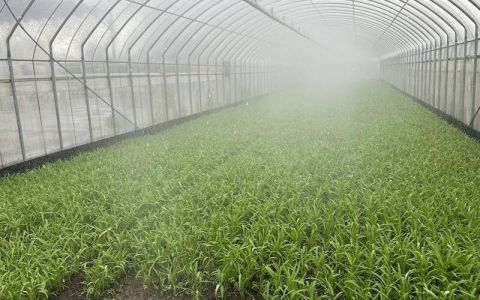
Smart irrigation and scheduling tech improve greenhouse farming efficiency in Taiwan, reducing labor needs and increasing productivity.

Taiwan’s agriculture plays a pivotal role in national food security, economic development, and global trade. Despite limited arable land, climate challenges, and an aging rural workforce, Taiwan has developed a highly efficient and technologically advanced agricultural system. Today, the sector is undergoing a digital and sustainable transformation through smart farming, automation, and eco-friendly practices—aimed at boosting productivity, reducing labor reliance, and improving resilience.

Discover how cutting-edge carbon reduction strategies and circular technologies are transforming agriculture, with inspiring examples from Taiwan and Japan leading the way to a greener, more sustainable future.
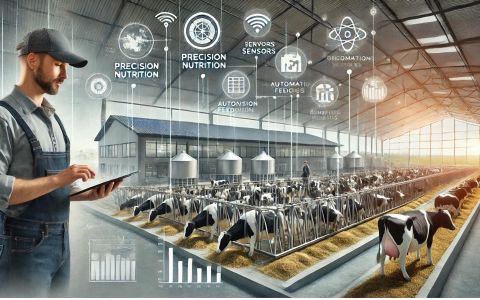
Integrating smart technologies such as sensors, IoT, and AI into agriculture and livestock sectors enables precise nutritional management, enhancing production efficiency, reducing waste, and promoting environmental sustainability.