



Sun Fong Combines Nano-Waterproof Coating and Patented Circuit Printing Technology to Create Energy-saving and Safe Fishing Lights
Have you ever looked towards the sea from the fishing port at night and saw the sparkling light source sprinkle on the sea's surface like twinkle stars? Those light sources represent the fishing boats operating offshore with their fishing lights on. The fishing light is essential fishing aid equipment using biological phototaxis for light-baiting squid fishing and saury fishing.
Since the traditional fishing lights need waterproof structures to protect their internal lighting, they usually are heavy, expensive, and non-durable. Additionally, the traditional ones mainly use incandescent light as their light source so that it would face the problems of high energy consumption, high brightness attenuation and high damage rate. And the power generation cost may be as high as 50% of the entire ship’s oil cost. Meanwhile, due to the poor heat dissipation and the high temperature of the light source, it is easy to cause a fire; the fishers exposed to ultraviolet lamps risk skin cancer. Therefore, the LED light source, which is more power-saving and uses cold light, becomes an alternative to the traditional fishing lights.
Sun Fong’s founder started with a customized outdoor lighting business and has been in the LED industry for more than ten years. From the past maintenance data, he deeply understands that the damages caused by water leakage are the main technical obstacles for traditional LED lamps to overcome for a long time. To solve this problem, he established Sun Fong to conduct in-depth research and extensive exploration of waterproof application technology and take waterproof technology, salt‑fog resistance technology and modular design as Sun Fong’s key core.
Sun Fong's above-water LED fishing light has a layer of nano-waterproof coating on every LED panel to resist seawater leakage and erosion, increasing the waterproof capability. Furthermore, we use patented circuit printing technology to enhance the LED chips' heat dissipation of above-water LED fishing lights. Meanwhile, it is manufactured with an open-ended design to allow seawater and wind to go through inside and outside of the fishing light, making it directly dissipate the heat of the LED panels. Therefore, our above-water LED fishing light can not only solve the lamp-eroding problem but also disperse the lamps' heat.
Sun Fong uses transparent tempered glass to protect the LED chips and circuits of the underwater LED fishing light and makes it possible to use directly under seawater. In addition to inlaying the light source to the light pieces, the contacts were dealt with Nano-waterproof coating, allowing lights to be waterproof in the environment under seawater. Furthermore, since the internal lamp can fill with seawater, there is no need to worry about the space and water pressure problems. Also, the seawater surrounding the optical module can directly dissipate the LED modules’ high temperature.
Lastly, the unique modular design of Sun Fong’s above and underwater fishing LED light allows the lamp piece and the lamp itself to be disassembled and assembled. The advantage of modularity is that broken parts can be disassembled and fixed separately, which decreases the fixing cost. Also, users can install light source modules according to their needs, such as choosing different brightness or collocating various colours of light source modules. (A lamp can be collocated with different colours simultaneously).
Other News
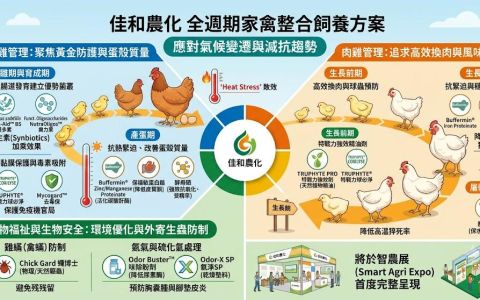
As global climate change intensifies, "heat stress" triggered by high summer temperatures has become a core challenge for the poultry farming industry. Meanwhile, under the dual trends of animal-friendly farming and antibiotic reduction, improving poultry immunity and gut health through precision nutrition has become key to maintaining production efficiency. In response, Jiahe Agrochemical Co., Ltd. (hereafter referred to as Jiahe Agrochemical) has proposed a full-cycle integrated feeding management solution tailored to the distinct physiological needs of layers and broilers, covering the "brooding period, mid-laying/growing stage, and environmental management.
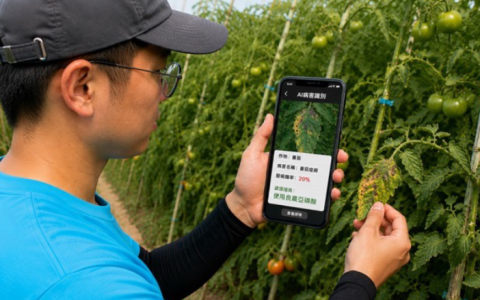
With Taiwan's agriculture facing multiple challenges such as an aging population, laborshortages, and climate change, how to effectively pass on the years of field experience accumulated by veteran farmers and combine it with emerging technologies to improve management efficiency has become an important issue for agricultural development. Agro-Green International Co Ltd stated that the future of agriculture not only requires experience,but also data analysis and smart technology to assist decision-making, creating a new generation of management models that combine inheritance and innovation.
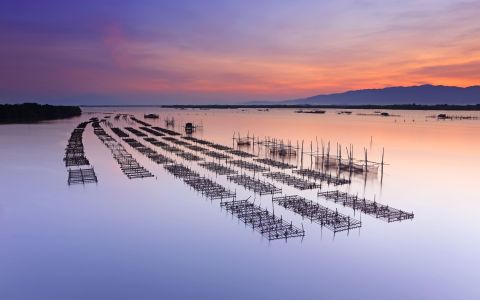
By 2026, the Asia-Pacific region will have reached a historical tipping point in food security. Faced with climate volatility and supply chain disruptions, regional powers are shifting from traditional farming to high-capital, high-tech intensive aquaculture.

Datuk Seri Arthur Joseph Kurup says sustainable soil management is key to tackling urbanisation and climate threats, with RM120 million allocated for soil restoration.
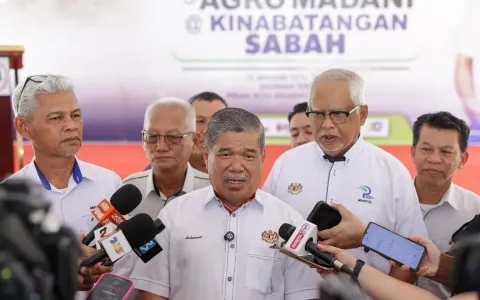
Malaysia aims to boost its ruminant livestock self-sufficiency rate from 20% to 50% by 2030 through new agri-food programmes and modern farming projects.
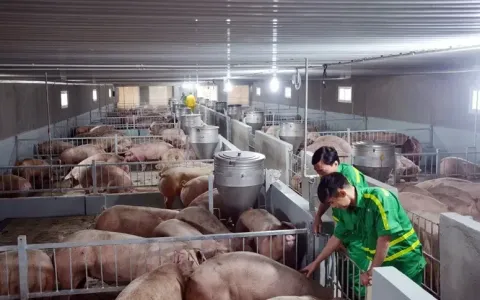
Vietnam's livestock industry is facing significant fluctuations in the first quarter of 2025. Pork prices have risen unusually high, contrary to the trend of previous years. While the livestock population remains relatively stable, poultry and egg prices have fallen sharply.
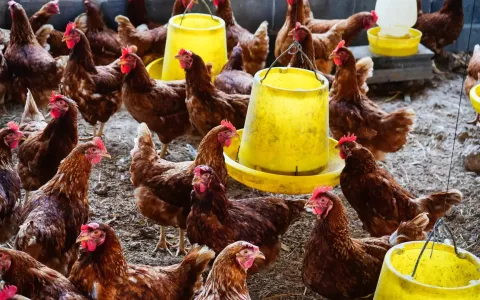
Vietnam’s livestock sector is accelerating restructuring, reducing production costs, and developing a fully integrated supply chain.
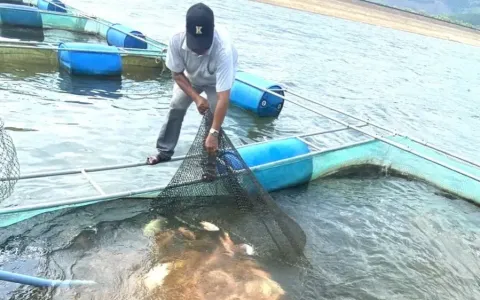
(GLO) - In the context of the fisheries sector's push for green transformation, agricultural extension work is not limited to technology transfer but also plays a role in connecting value chains and guiding sustainable production from the grassroots level.
These projects focus on high-tech aquaculture, vegetable and flower cultivation, livestock farming, and slaughter operations.

As Việt Nam’s livestock sector faces the need to renew its growth model, enhance added value and fulfil its sustainable development commitments, Deputy Director of the Department of Livestock Production and Animal Health Phạm Kim Đăng spoke to Việt Nam News reporter Trần Như about the sector’s key orientations and solutions for 2026.