



Say yes to energy saving and carbon reduction! LanCore System’s develop world-class energy saving and nourishing system
Electricity is one of the main production costs of aquaculture and fishery. Especially in summer, in response to sudden changes in water quality caused by high temperature and heavy rainfall, oxygenation and water pumping facilities are required to stabilize water quality. During typhoons, heavy rainfall may also create an emergency need for water pumping. These are common and large-scale electricity consumption. According to statistics, the electricity cost for aquaculture and fishery accounts for about 20% to 40% of the total production cost. While this figure will vary depending on the species farmed, electricity bills are no doubt one of the heaviest costs of farmed fisheries.
To reduce the massive electricity consumption in the aquaculture industry, many manufacturers, including LanCore System, are dedicated to research and developing oxygenation equipment and fish farm management system. LanCore System was established in 2019. To develop world-class energy efficiency inverter solutions, they hope to enhance the independent and controllable technology of Taiwan's agriculture and aquaculture industries.
At the beginning of its establishment, it focused on the development of high-efficiency and energy-saving AI inverters for agriculture and fishery. Compared with other IoT control systems that can only control the on/off of the inverter, LanCore’s inverters do not need to pass through the host (IPC/PLC) and can operate through its intelligent schedule system to save energy and equipment maintenance more simple. Through the deployment of the intelligent inverter, a complete IoT cloud control system can be formed, and the intelligent upgrade of the entire field and cross-field can be done. This exclusive inverter has already been applied to various energy-saving products, such as BLDC fans, aerators, and air conditioner inverter solutions. In the past two years, LanCore has focused on aquaculture hardware and software solutions., and has all entered mass production.
The Intelligent Aerator is the first-level product of LanCore applied in smart aquaculture. It can be controlled, adjusted the speed and set the schedule through a mobile phone remotely. The Intelligent Aerator adopts a DC variable frequency motor and is equipped with a plastic-steel reducer, and the motor wiring can be up to 300 meters long.
In terms of energy saving, the aerator has passed the National Cheng Kung University Energy Conservation Certification in 2020. Compared with the traditional waterwheel, it can save 40-45% of the power consumption.
LanCore’s Intelligent Aquaculture Cloud System is an all-around intelligent integrated system, which can perform remote control, intelligent scheduling, status monitoring and abnormal reporting, making breeding intelligent, enhancing fishermen breeding and management efficiency, saving manpower and preventing disaster. This system integrates LanCore’s self-developed software, which can remotely control a variety of breeding equipment such as aerators, feeders, and water pumps. Using the APP, you can arrange the equipment into different groups for easy management. In addition, the intelligent scheduling mode can let fisherman run their equipment at specific times and conditions. For example, use higher speed at night to increase the amount of dissolved oxygen, and use lower speed during the daytime to keep the water quality. This can help to save up to 60% of power consumption.
The introduction of LanCore’s Intelligent System not just help you to save labour and energy cost, but also comply with the government's promotion of zero carbon emissions in agriculture. It is hoped that through intelligent breeding, the industry can reduce costs and increase the overall output value effectively while achieving energy saving and carbon reduction, promoting industrial upgrading and sustainable environmental development.
LanCore has deployed its system on many farms, with a total area of more than 300,000 square meters. Many of which are highly economical farms, such as eel breeding farms. Last but not least, a shrimp farmer in Thailand has upgraded 5 of their aerators out of 7 to LanCore’s Intelligent aerators. Compare with last year, the overall electricity consumption has been saved by more than 55%.
Other News

Everything You Need to Cover the Show — All in One Place
Press Releases · Quick Facts · Event Highlights · Press Photos · Media

Taiwan Smart Agriweek 2026 Opens with Focus on Technology, Sustainability and International Business
Taiwan Smart Agriweek 2026 opened today at Taipei Nangang Exhibition Center (TaiNEX) Hall 1, bringing together agribusiness leaders, technology providers, buyers, researchers and policymakers from 69 countries. Under the theme “Converging Global Agribusiness,” the 12th edition features more than 400 exhibiting companies and is expected to welcome over 21,000 professional visitors during the three-day event.

Facing the severe challenges posed by extreme weather to traditional global agriculture, Liangnong Modern Agriculture Technology Co., Ltd. has launched its "Integrated Preventive Agriculture Solutions". The core philosophy of this solution is "prevention is better than cure." It aims to help farmers shift from passive responses to proactive management, reducing production risks while enhancing crop health and production resilience through precise diagnosis, technological monitoring, and environmental early warnings.
KSP_官網Banner廣告__26H14xaLK6.jpg)
Kasetphand operates across Engineering, Technology, and Integrated Solutions for the agro-industrial and food sectors. Built on decades of experience and expertise, our business spans Feed, Farm, Food, and Energy, connecting knowledge, technology, and innovation to deliver solutions that address the entire value chain—from upstream to downstream.
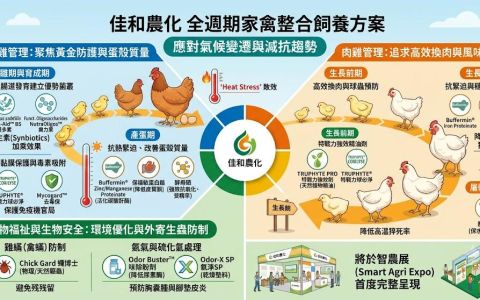
As global climate change intensifies, "heat stress" triggered by high summer temperatures has become a core challenge for the poultry farming industry. Meanwhile, under the dual trends of animal-friendly farming and antibiotic reduction, improving poultry immunity and gut health through precision nutrition has become key to maintaining production efficiency. In response, Jiahe Agrochemical Co., Ltd. (hereafter referred to as Jiahe Agrochemical) has proposed a full-cycle integrated feeding management solution tailored to the distinct physiological needs of layers and broilers, covering the "brooding period, mid-laying/growing stage, and environmental management.
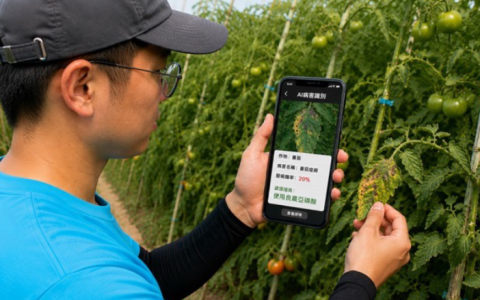
With Taiwan's agriculture facing multiple challenges such as an aging population, laborshortages, and climate change, how to effectively pass on the years of field experience accumulated by veteran farmers and combine it with emerging technologies to improve management efficiency has become an important issue for agricultural development. Agro-Green International Co Ltd stated that the future of agriculture not only requires experience,but also data analysis and smart technology to assist decision-making, creating a new generation of management models that combine inheritance and innovation.
Why AI in agriculture, fisheries, and livestock? Because relying solely on traditional experience is no longer enough.
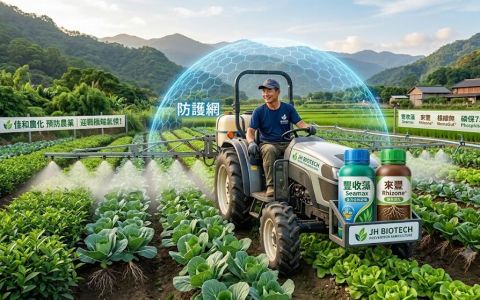
In recent years, the global agricultural landscape has experienced rapid changes. Factors ranging from extreme weather events and international conflicts to fluctuating raw material prices continue to impact agricultural production and supply chain stability. For Taiwan's agricultural sector, which relies heavily on imported materials and international trade, maintaining steady production and mitigating risks in an uncertain environment has become a critical issue. According to Liangnong Modern Agriculture Technology Co., Ltd., a 'preventive management' approach will be a vital direction for Taiwan's agriculture as it moves toward resilience and sustainability.
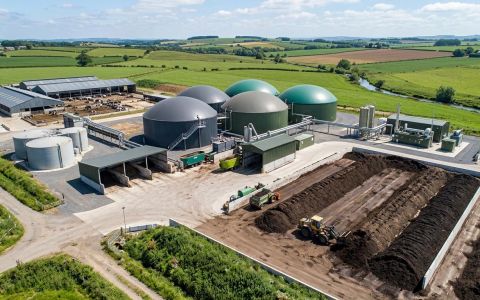
High Disposal Costs, Strict Compliance, Urgent Timelines.
Taiwan Smart Agriweek 2026 takes you through a comprehensive look at organic waste sorting, resource recovery, and circular regeneration solutions.
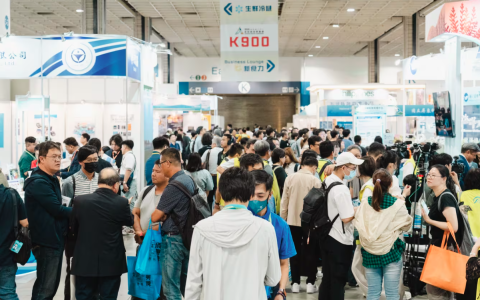
Taking place this September, Aquatech Taiwan 2026 will showcase practical technologies and expert insight to help aquaculture producers respond to rising costs, labour shortages and growing environmental pressures.