



The 4th Animal Precision Nutrition International Forum Concludes Successfully!
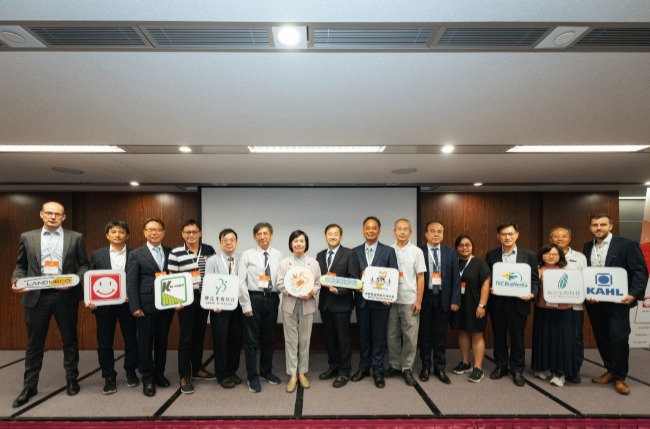
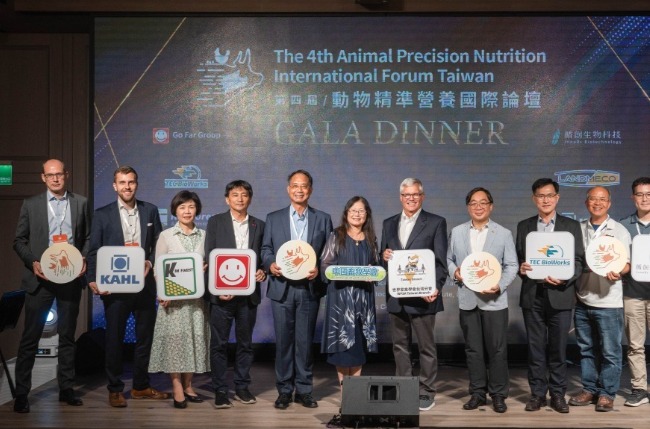
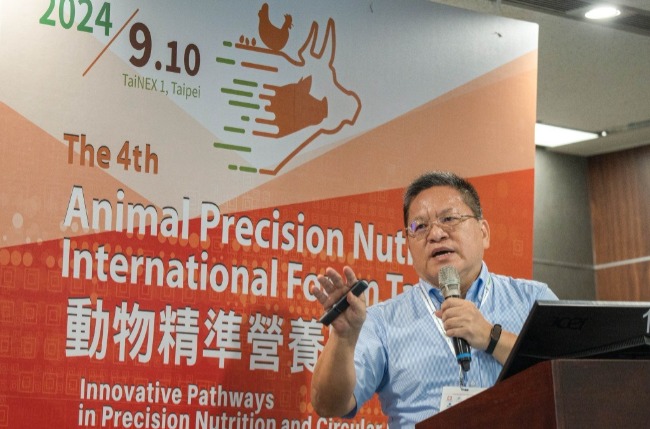
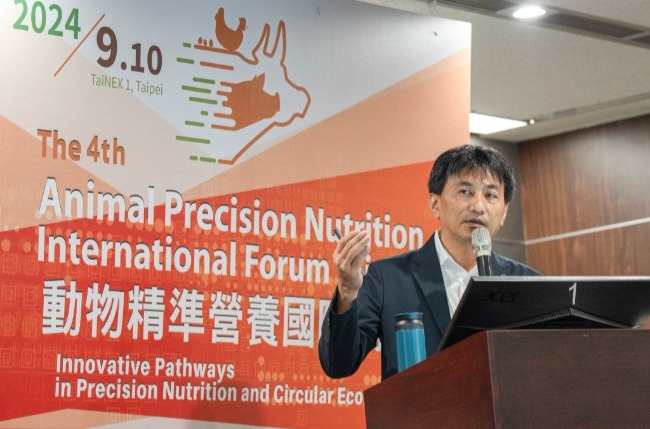
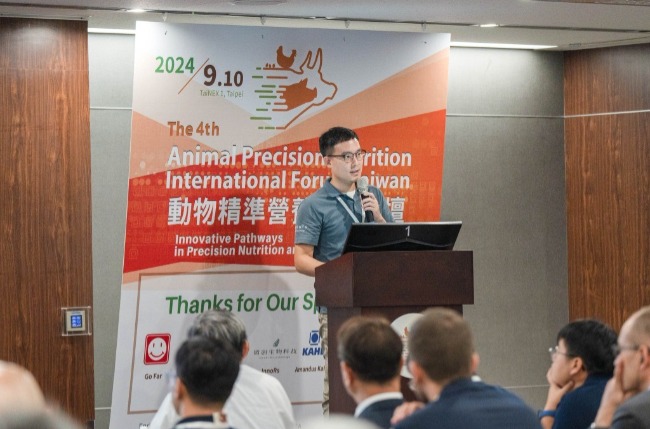
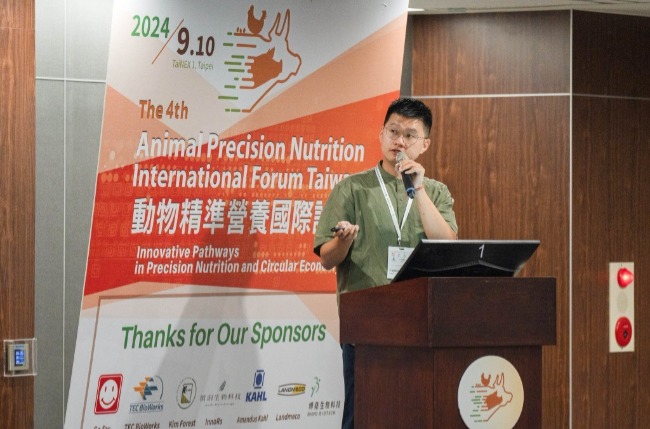
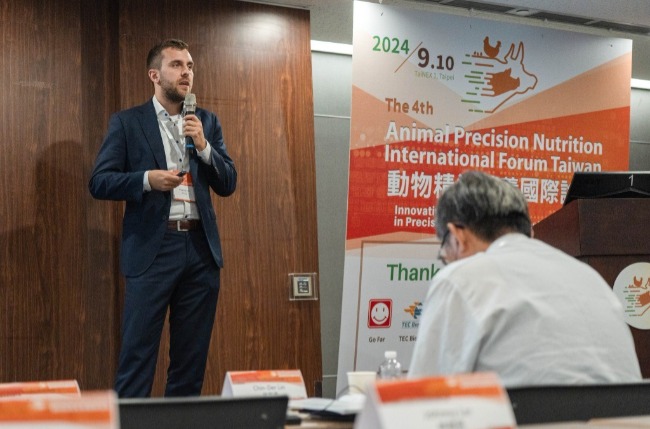
Organized by the Chinese Society of Animal Science and the Taiwan Branch of the World’s Poultry Science Association, the 4th Animal Precision Nutrition International Forum was concluded with a remarkable success on September 10th, 2024, at TaiNEX 1, Taipei, Taiwan.
Attracting 313 livestock professionals & traders from 14 countries, including Taiwan, the Philippines, Vietnam, Germany, Indonesia, Malaysia, the U.S., the U.K., etc. With both onsite and online attendees actively engaged in moderated discussions on sustainable livestock farming and precision nutrition, offering a platform to exchange ideas, innovations, and collaboration in driving the future of livestock sector.
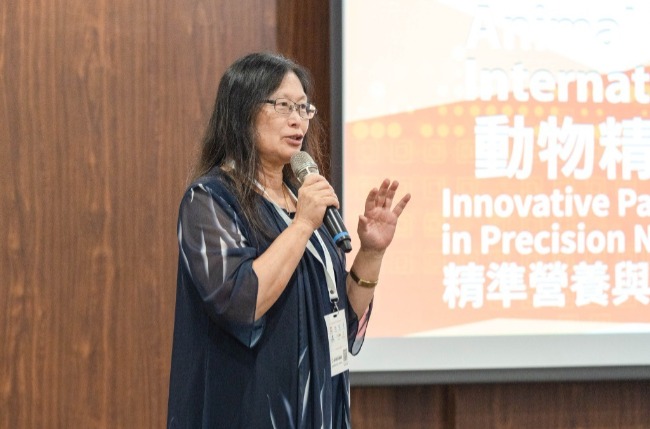
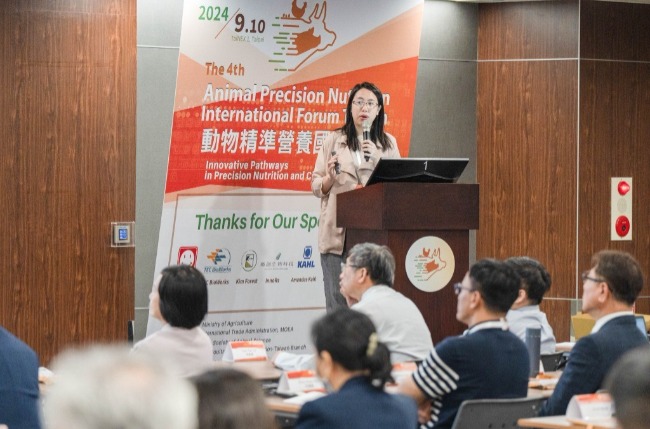
The forum was opened by Deputy Minister Du Wen-Chen of the Ministry of Agriculture, emphasizing the importance of precision nutrition in reducing carbon emissions, addressing climate change, and lowering production costs in livestock and pet sectors. She noted, "We\'ll collaborate with the Departments of Animal Industry and Animal Welfare, securing additional funding for future forums to offer insights into sustainable farming and precision nutrition trends."
Key Note Session
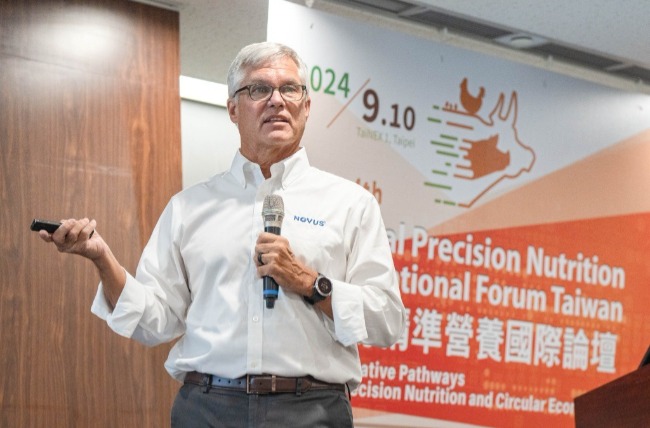
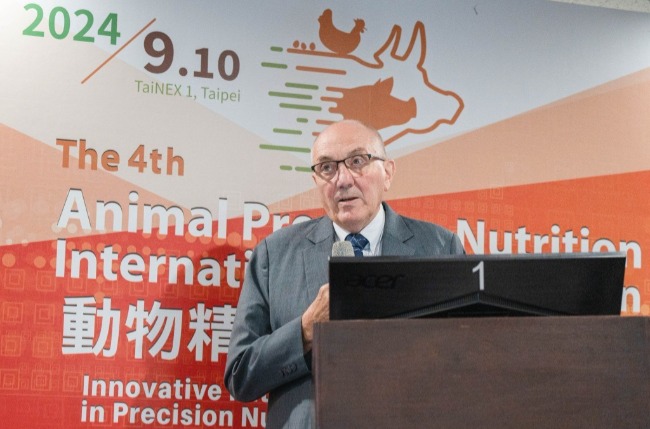
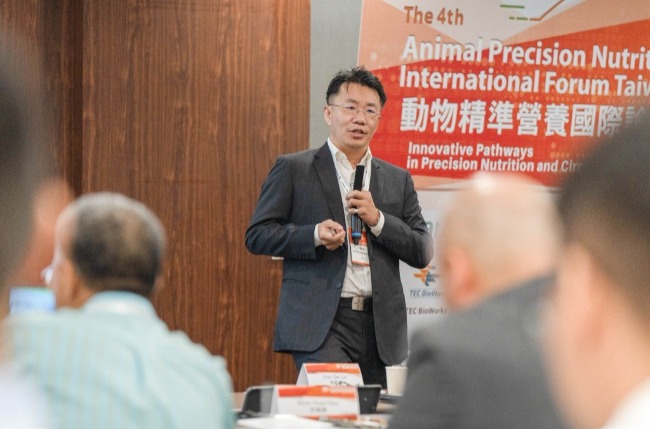
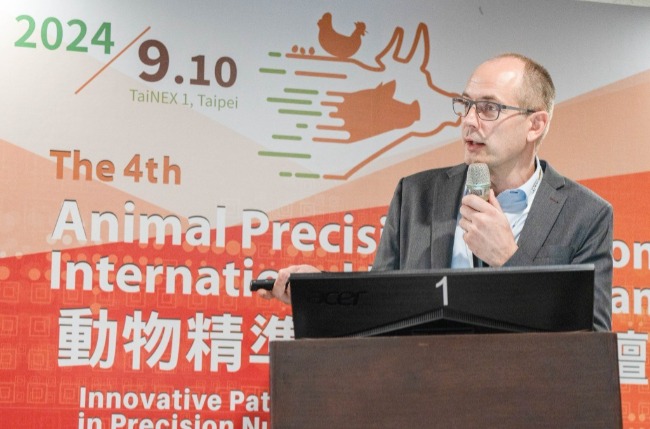
Keynote speaker Dr. Robert Buresh, highlighted the need to update nutritional assessments and amino acid standards in broiler production to meet modern growth requirements and reduce protein waste.
Mr. Paul Lu, Consultant at Triple A, shared insights on reducing the carbon footprint in livestock farming through precision nutrition. He emphasized the efficient use of concentrated proteins like AX3, which offers high digestibility and significantly lowers greenhouse gas emissions compared to traditional protein sources.
Session 1 : Optimizing Nutrition Trends for Companion & Commercial Animals
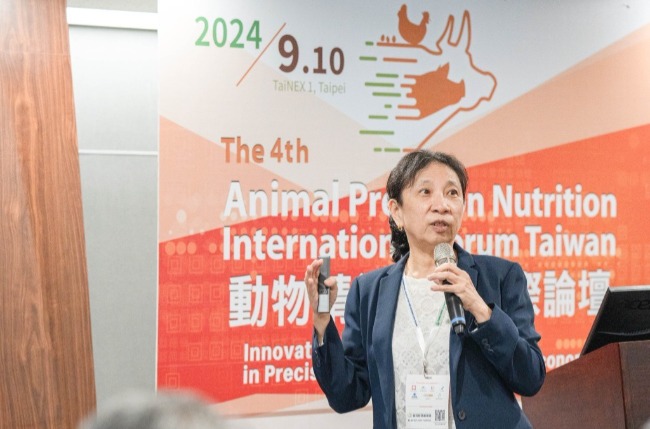
The morning sessions began with Ms. I-Chen Liu from the Taiwan Institute of Economic Research, who discussed Taiwan’s pet industry, valued at NT$ 30.8 billion in 2023, and highlighted the rising demand for pet supplements to meet the nutritional needs of healthy animals and those on special diets.
“Both internal and external factors, such as feeding environments, diverse pet foods, and owner attitudes, influence energy balance, making weight management essential to prevent pet obesity.” Dr. Mei-Fong Lin from National Taiwan University added.
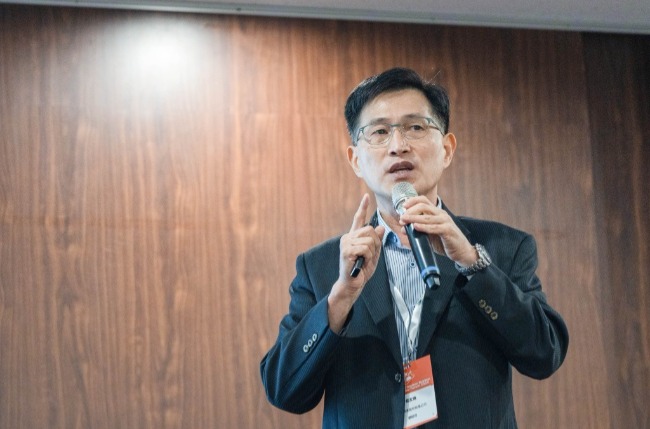
Dr. Chi-Chen Chen from Go Far International Co., Ltd. added that many enzyme manufacturers now provide precise nutritional data, enabling feed formulators to choose optimal enzymes to reduce costs, enhance performance, save energy, and comply with regulations.
Session 2 : Applying Biotechnology and Feed Additives in Precision Nutrition
Mr. Eric Tai, General Manager of TEC Bioworks Co., Ltd., discussed biotechnology and feed additives in precision nutrition, highlighting complex xylanase (XyMAX) for broiler chickens. “Xylanase improves growth performance notably the weight and feed intake and conversion by breaking down non-starch polysaccharides (NSP) in grains” he added.
“In the era of African Swine Fever (ASF) and Porcine Reproductive and Respiratory Syndrome (PRRS), genetic engineering has produced disease-resistant pig breeds, allowing us to maintain health and profitability without vaccines, antibiotics, or growth promoters.” Said Mr. Chris Jackson, director of UK Tag.
Additionally, KimForest Enterprises shared how next-generation sequencing in breeding selection enhances efficiency and shortens timelines, revolutionizing agriculture and biotechnology.
Seesion 3 : Circular Economy and Precision Nutrition Applications
Chairman Po-Lun Chien of InnoRs Biotechnology Co., Ltd. discussed the achievements of black soldier fly in Taiwan’s feed industry, highlighting its functional substances and usage guidelines. He stated, “Black soldier flies provide nutritional balance, cost-effectiveness, and quality standards for livestock and animal feed.”
Followed by Mr. Tung-Lung Kuo from National Taiwan University discussed using extrusion technology and microbial fermentation for feather meal production, highlighting the need for animal trials to confirm bioavailability.
Session 4 : Development of Precision Nutrition Facilities, Equipment, and Technology
The afternoon session featured Mr. Arne Heuer from Amandus Kahl, who introduced KAHL extrusion technology, enhancing feed production efficiency and quality by improving starch modification, reducing material loss, and increasing digestibility.
As well as Mr. Frank Andreasen from Landmeco who presented innovative technologies for precise feed dosing in modern poultry farming.
Dr. Yu Chuan Liang from Academia Sinica closed the 4th session before the moderated discussion by introducing how smart devices and the Internet can collect data from livestock equipment to enhance an "AI Animal Production System," improving efficiency and addressing antibiotic resistance.
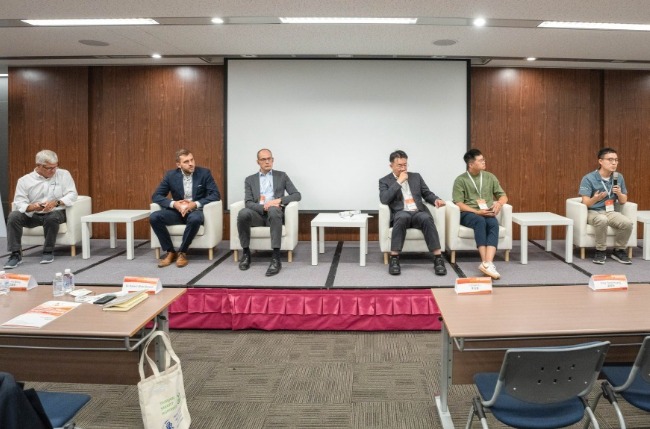
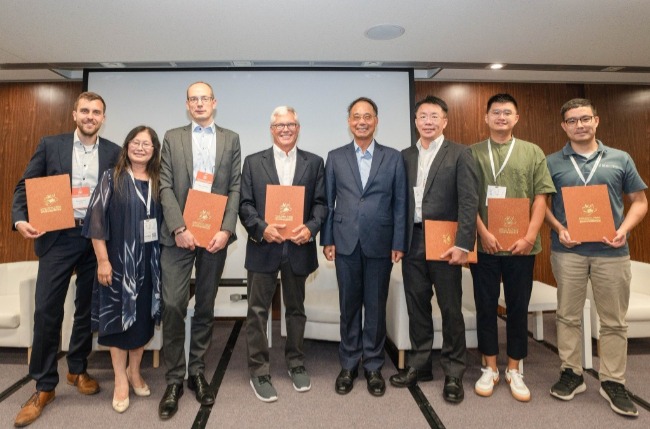
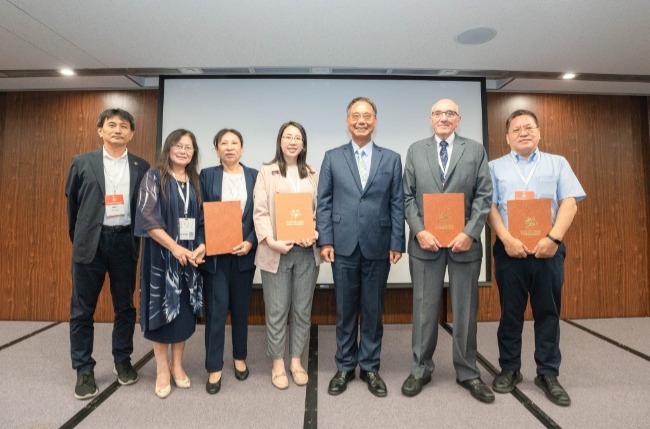
Closing the 4th Animal Precision Nutrition International Forum has gained positive feedbacks from domestic and international attendees, as well as the moderated discussion extending beyond the scheduled time, which made a significant achievement from last year’s forum.
The 5th Animal Precision Nutrition Forum will be held on September 2, 2025, welcoming domestic and international experts to share insights on the latest trends and strategies for advancing precision nutrition management and low-carbon development in the livestock industry.
-
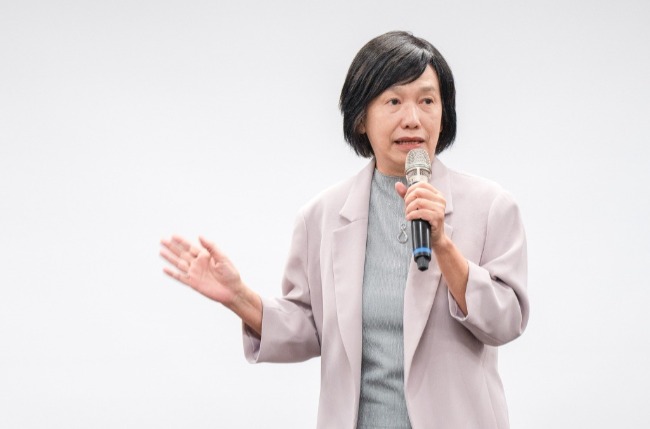 Ministry of Agriculture | Deputy Ministry Du Wen-Chen
 -
 World Poultry Science Association Taiwan Branch | President Huang Jeng-Fang
Other News

Everything You Need to Cover the Show — All in One Place
Press Releases · Quick Facts · Event Highlights · Press Photos · Media
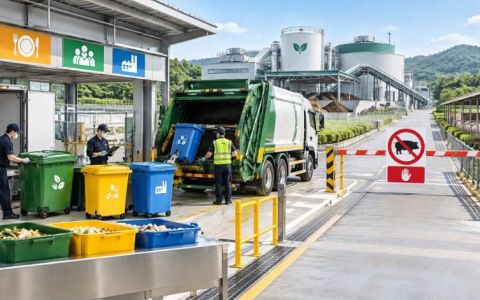
Starting January 1, 2027, Taiwan will prohibit food-waste (swill) feeding in pig farming, accelerating a major transition in organic waste management, animal nutrition and livestock biosecurity.

Animal and Plant Health Management × Food Chain Safety × Environmental and Ecological Monitoring × Prevention and Control of Zoonotic Diseases.
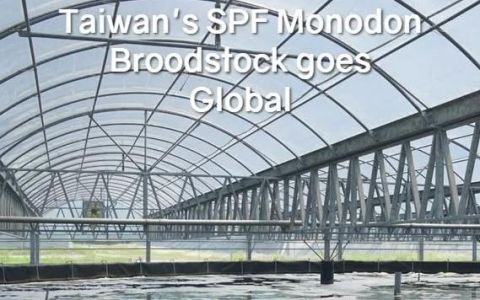
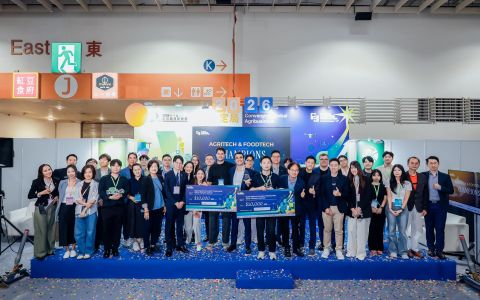
Taiwan and Korea take the AgriTech and FoodTech titles as startups move into overseas trials, partnerships and investment discussions
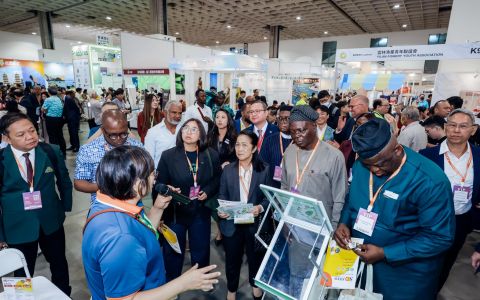
Taiwan Smart Agriweek 2026 concluded on September 10 after three days of international sourcing, technology exchange and business networking.

Taiwan Smart Agriweek 2026 Opens with Focus on Technology, Sustainability and International Business
Taiwan Smart Agriweek 2026 opened today at Taipei Nangang Exhibition Center (TaiNEX) Hall 1, bringing together agribusiness leaders, technology providers, buyers, researchers and policymakers from 69 countries. Under the theme “Converging Global Agribusiness,” the 12th edition features more than 400 exhibiting companies and is expected to welcome over 21,000 professional visitors during the three-day event.

Facing the severe challenges posed by extreme weather to traditional global agriculture, Liangnong Modern Agriculture Technology Co., Ltd. has launched its "Integrated Preventive Agriculture Solutions". The core philosophy of this solution is "prevention is better than cure." It aims to help farmers shift from passive responses to proactive management, reducing production risks while enhancing crop health and production resilience through precise diagnosis, technological monitoring, and environmental early warnings.
KSP_官網Banner廣告__26H14xaLK6.jpg)
Kasetphand operates across Engineering, Technology, and Integrated Solutions for the agro-industrial and food sectors. Built on decades of experience and expertise, our business spans Feed, Farm, Food, and Energy, connecting knowledge, technology, and innovation to deliver solutions that address the entire value chain—from upstream to downstream.
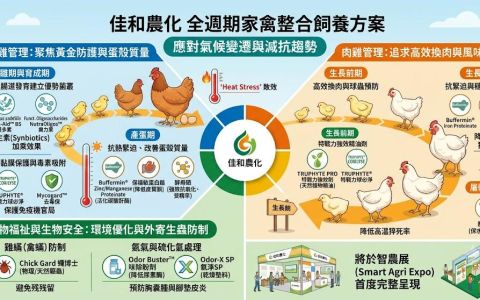
As global climate change intensifies, "heat stress" triggered by high summer temperatures has become a core challenge for the poultry farming industry. Meanwhile, under the dual trends of animal-friendly farming and antibiotic reduction, improving poultry immunity and gut health through precision nutrition has become key to maintaining production efficiency. In response, Jiahe Agrochemical Co., Ltd. (hereafter referred to as Jiahe Agrochemical) has proposed a full-cycle integrated feeding management solution tailored to the distinct physiological needs of layers and broilers, covering the "brooding period, mid-laying/growing stage, and environmental management.