



wo essential tools for meat portioning - knives and scales
Automated cutting equipment is common in modern meat processing plants for meat portioning, but detailed cutting still relies on manual hand-cutting. Knives play a crucial role in this process, significantly impacting efficiency and quality. Choosing the right knives reduces manual cutting time and effort, minimizes hand injuries, improves work efficiency, and ensures the preservation of high-quality meat with its market value intact. Once meat portioning is complete, precise packaging is essential. Accurate measurement using scales is vital for cost control and profitability. Deviations in measurement data can directly impact the bottom line. Knives and scales are the two indispensable tools for efficient meat portioning.
The "sharp tool" for meat cutting - LIOW-SHYE ENTERPRISE
LIOW-SHYE ENTERPRISE revolutionizes the Taiwanese meat processing industry by being the sole vertically integrated and highly automated professional knife manufacturing factory. Previously, factories relied on expensive imported knives from Japanese or German brands, which lacked variety. However, LIOW-SHYE ENTERPRISE imports high-carbon stainless steel from Germany, utilizing the same grade as renowned German knife manufacturers. Their knives boast exceptional qualities such as effortless cutting, long-lasting sharpness, and convenient.
LIOW-SHYE Enterprise provides an extensive range of knives for continuous testing, gradually replacing imported options in the meat processing knife market. Renowned meat processing factories have already switched to LIOW-SHYE knives. Additionally, LIOW-SHYE imports professional knife sharpening machines and rods from Germany, ensuring customers have access to top-notch tools for efficient production. These knives offer comparable quality to imports but at a more favorable price. As a local company, LIOW-SHYE offers convenient services and accommodates customers' unique requirements, providing customized knives tailored to their specific usage habits, a significant advantage.
The leading pioneer in weighing - BENEDICTION ENTERPRISE
BENEDICTION ENTERPRISE, known initially for manufacturing mechanical scales, adapted to the changing times by introducing electronic weighing technology and transitioning to electronic scale production. Alongside their standard scales, they offer comprehensive computer connectivity options, aligning with the automation trend in the industry. With over 50 years of professional manufacturing experience, BENEDICTION developed and produced Taiwan's first fully Chinese-language "weight display controller," "truck scale system," and "weight detection equipment" comparable to those of advanced nations. They specialize in designing systems for customers in mechanical, electronic, and automation fields, catering to various applications like truck scales, platform scales, tension-compression machines, conveyor belts, and more. Their diverse range of weighing systems, customized for different load requirements, has garnered widespread acclaim in the industry.
BENEDICTION excels in delivering precise and user-friendly weighing systems to the industry. They stay at the forefront of advancements, investing in research and development projects like wireless transmission for scales and computerized automation management for weighing. Their commitment to continuous improvement and technological updates remains unwavering. Furthermore, BENEDICTION stands out as the sole scale equipment manufacturer in the central region approved by the Standard Inspection Bureau. They possess the capability to conduct weighing inspections and provide instrument equipment services on behalf of their customers.
Other News
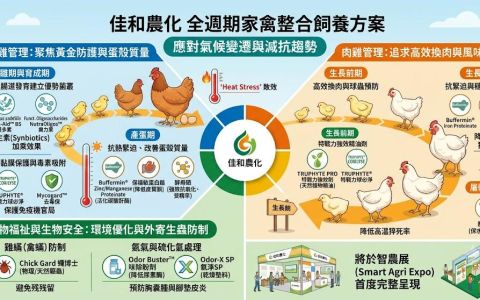
As global climate change intensifies, "heat stress" triggered by high summer temperatures has become a core challenge for the poultry farming industry. Meanwhile, under the dual trends of animal-friendly farming and antibiotic reduction, improving poultry immunity and gut health through precision nutrition has become key to maintaining production efficiency. In response, Jiahe Agrochemical Co., Ltd. (hereafter referred to as Jiahe Agrochemical) has proposed a full-cycle integrated feeding management solution tailored to the distinct physiological needs of layers and broilers, covering the "brooding period, mid-laying/growing stage, and environmental management.
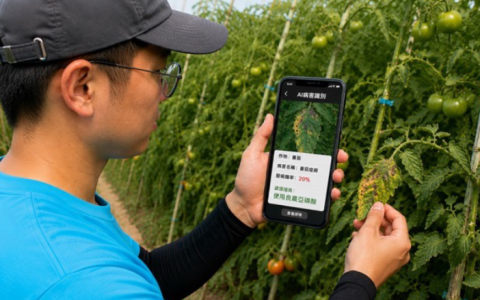
With Taiwan's agriculture facing multiple challenges such as an aging population, laborshortages, and climate change, how to effectively pass on the years of field experience accumulated by veteran farmers and combine it with emerging technologies to improve management efficiency has become an important issue for agricultural development. Agro-Green International Co Ltd stated that the future of agriculture not only requires experience,but also data analysis and smart technology to assist decision-making, creating a new generation of management models that combine inheritance and innovation.

By 2026, the Asia-Pacific region will have reached a historical tipping point in food security. Faced with climate volatility and supply chain disruptions, regional powers are shifting from traditional farming to high-capital, high-tech intensive aquaculture.

Datuk Seri Arthur Joseph Kurup says sustainable soil management is key to tackling urbanisation and climate threats, with RM120 million allocated for soil restoration.
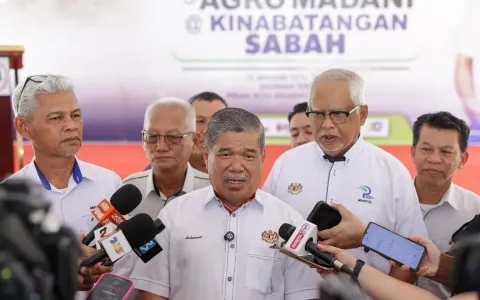
Malaysia aims to boost its ruminant livestock self-sufficiency rate from 20% to 50% by 2030 through new agri-food programmes and modern farming projects.
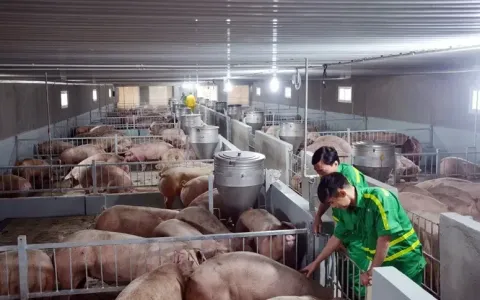
Vietnam's livestock industry is facing significant fluctuations in the first quarter of 2025. Pork prices have risen unusually high, contrary to the trend of previous years. While the livestock population remains relatively stable, poultry and egg prices have fallen sharply.
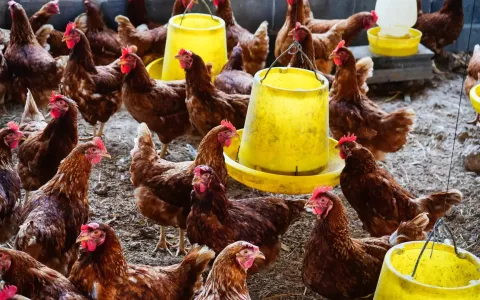
Vietnam’s livestock sector is accelerating restructuring, reducing production costs, and developing a fully integrated supply chain.
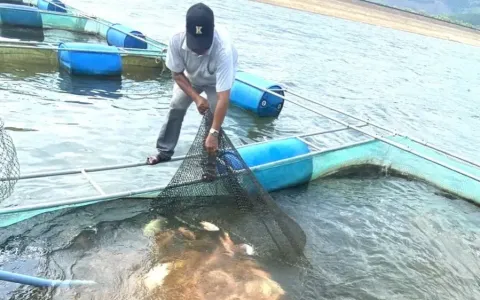
(GLO) - In the context of the fisheries sector's push for green transformation, agricultural extension work is not limited to technology transfer but also plays a role in connecting value chains and guiding sustainable production from the grassroots level.

These projects focus on high-tech aquaculture, vegetable and flower cultivation, livestock farming, and slaughter operations.
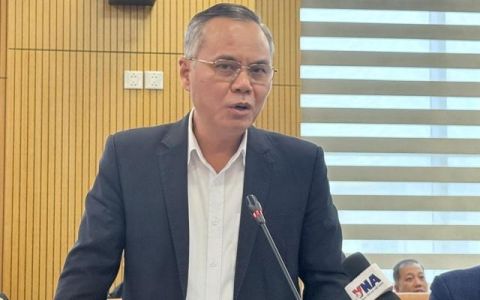
As Việt Nam’s livestock sector faces the need to renew its growth model, enhance added value and fulfil its sustainable development commitments, Deputy Director of the Department of Livestock Production and Animal Health Phạm Kim Đăng spoke to Việt Nam News reporter Trần Như about the sector’s key orientations and solutions for 2026.